

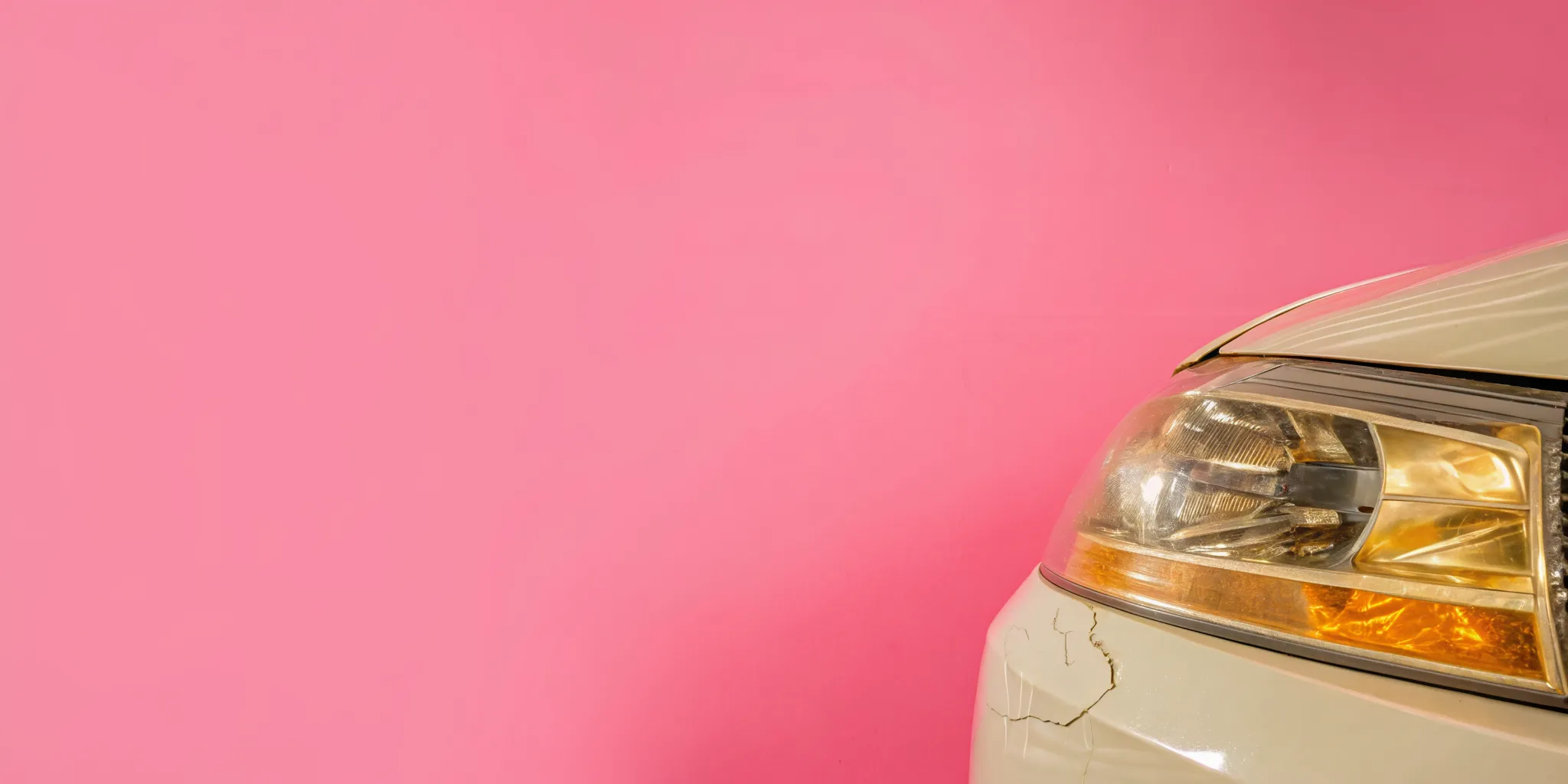
. A sudden deer strike on State Road 46 can cause severe deer collision damage and hidden safety risks. These crashes happen in a split second but leave you with weeks of stress and expensive repairs.
Deer collision damage is mostly covered by the comprehensive part of your auto insurance policy. According to the Iowa Insurance Division, this type of coverage helps pay for repairs after animal strikes minus your deductible. These crashes are usually seen as “not at fault” events, so they often have less impact on your monthly rates than a standard crash. However, the hit from a large animal can go far beyond a dented bumper or a broken grille. You may face bent frames, cracked radiators, or broken safety sensors that are not easy to find with a quick look. Getting an expert check is the best way to ensure your car is safe to drive again.
You might wonder why these accidents seem so frequent on Central Florida roads lately. Drivers in Orange and Lake Counties are seeing more wildlife near the pavement than in past years. Understanding Why Deer Collisions in Orlando Are on the Rise helps you stay alert and keep your family safe during your daily commute. The data shows clear trends. Here’s how.
Why Deer Collisions in Orlando Are on the Rise
Driving through Central Florida often means sharing the road with local wildlife. While many people think of Orlando for its theme parks, the area also has many wooded routes where deer are active. As more people move to the region and new roads are built, the risk of a crash grows. In fact, estimates show that there are between one to two million collisions between cars and large animals every year in the United States.
Local deer hot spots
In the Greater Orlando area, certain roads see more deer activity than others. Routes near Wekiva Springs State Park and SR 46 near Lake County are known for high animal traffic. Drivers on SR 50 near East Orlando and the St. Johns River should also stay alert. These areas provide the perfect habitat for deer. Animals often cross the road here in search of food or mates. When a vehicle meets a large animal at high speed, the impact can be severe.
Peak seasons for animal crashes
Deer habits change with the seasons. This makes some months more dangerous for drivers. The fall mating season is the most active time. But spring also sees a rise in movement. During these times, deer are more likely to run into traffic without warning. These wildlife-vehicle collisions present a real danger to human safety and vehicle integrity. Staying aware of these peak times can help you stay safe on the road.
Impact on vehicle integrity
Hitting a deer at highway speeds causes significant damage. The force of the strike often ruins the front bumper, grille, and hood. More importantly, it can cause hidden structural damage that is not easy to see from the outside. Modern cars also have safety sensors in the bumper that can be knocked out of place. Professional repair is needed to ensure your car is safe to drive again.
Immediate Steps: What to Do After a Central Florida Animal Crash
If you hit a deer on a road like SR 46, you might feel scared. But you must act fast to stay safe. A crash with a large animal can cause a lot of deer collision damage to your car. It also puts you and the people in your car at risk. Knowing what to do can help you stay calm and start the repair work in the right way.
Putting Safety First at the Scene
Your safety is the top goal after a crash. If your car can still move, try to get it off the road. Move to a safe spot away from other cars. This helps stop more crashes while you wait for help. You should also check yourself and your riders for any hurts. For more tips, read about safety after an accident in our local guide.
It is vital that you do not swerve when you see a deer. Swerving can lead to a much worse crash with other cars or a tree. A direct hit is often safer than a fast swerve that makes you lose control. According to the Iowa Insurance Division, swerving to miss an animal can cause more harm or hurt. Keeping your car straight helps you stay in your lane.
Calling the Police and Reporting the Crash
Once you are in a safe spot, call the police. They can help with traffic and write a report. This report is a key part of your insurance claim. It proves when and where the crash took place. Do not try to move or help the animal. A hurt deer can be very unsafe and may kick or bite if you get too close.
While you wait for help, stay in your car if it is safe to do so. If you must get out, stay well away from the road. Turn on your hazard lights so other drivers can see you clearly. Keeping your cool and following these steps keeps a bad state from getting worse.
Getting Proof for Your Claim
Before you leave, you need to get proof of what happened. Use your phone to take clear photos of the damage to your car. Look for signs of the animal, like hair or fur left on the car body. This proof helps your insurance company see that it was an animal strike. This can show it was not your fault.
- Move your car to a safe spot. Pull over to the side of the road and turn on your flashers to warn others.
- Check for hurts. Make sure you and your riders are okay before you do anything else.
- Call the police. Report the crash so you have a real record for your insurance claim.
- Take photos of the scene. Get shots of the deer collision damage and any hair or fur left on your car.
- Note the details. Write down the time, the exact spot, and the names of anyone who saw the crash.
- Stay away from the animal. Do not get near the deer, as it may still be alive and could hurt you.
- Check your car. Look for leaks or loose parts that might make it unsafe to drive.
Taking these steps makes the claim process much easier. Having good photos and a police report will help your shop give you a good repair plan. Proper records ensure that your insurance covers the cost of fixing your car after the strike.
Comprehensive vs. Collision: How Insurance Handles Animal Damage
Most drivers in Orlando worry about how a crash will affect their monthly rates. If you hit a deer on a dark road, the type of insurance you have matters. Knowing how your policy handles deer collision damage can help you stay calm after a strike. Insurers view hitting a wild animal in a way that is not like hitting another car or a still object. The way you file your claim can change how much you pay out of pocket for the repairs.
Why animal strikes fall under comprehensive coverage
When your car hits a wild animal, insurers often file the claim under your comprehensive coverage. This part of your plan covers events that are out of your control. This includes things like fire, theft, or a deer jumping in front of your car. Based on facts from the Iowa Insurance Division, comprehensive insurance helps pay for these repairs after you pay your deductible. It is meant to protect you from the sudden costs of nature.
Filing a claim this way is often better for your wallet. These events are often seen as no-fault events because you could not avoid the animal. Because of this, a comprehensive claim may have less impact on your insurance rates than an at-fault crash. It is a good idea to check your policy to see if you have this extra coverage before you need it. Many drivers find that the peace of mind is worth the small cost on their monthly bill.
The risk of swerving and collision claims
Many drivers try to swerve when they see an animal on the road. This choice is natural, but it can lead to more danger. If you swerve and hit a tree, a guardrail, or another car, your insurer will likely view it as a collision claim. These claims can cause your monthly rates to go up more than an animal strike. Swerving can also cause hidden structural damage to your vehicle that is hard to find during a quick look.
Standard collision policies often do not cover damage if you hit an animal directly. They are meant for crashes with other cars or objects you might hit while driving. This is why having both types of coverage is so vital for drivers in Central Florida. If you only have collision and liability plans, you might have to pay for all the repairs yourself after a deer hit. This can cost thousands of dollars for modern cars with small sensors and safety parts.
Protecting your rates and your car
Hitting a deer is a stressful event that can happen in a split second. By keeping comprehensive coverage on your plan, you ensure that you are protected from high repair costs. This coverage helps you get back on the road without a huge bill or a big spike in your rates. It gives you peace of mind when you drive through wooded areas at dawn or dusk. You can drive with more focus knowing your insurer has your back.
Always talk to your insurance agent about your specific plan. Every company has different rules for how they handle animal claims. Some may have small shifts in how they view “acts of God” like animal strikes. Knowing your coverage limits will help you make the right choice after a crash. You can focus on getting your car fixed at a shop you trust instead of worrying about the total cost.
Identifying Hidden Deer Collision Damage Under the Bumper
A deer strike is often much worse than a few dents on the hood or a cracked grille. When a large animal hits the front of your car, the force moves through the outer shell and deep into the frame. Most deer collision damage is not easy to see from the outside. You might notice a broken light, but the real issues often hide behind the plastic bumper cover. A professional scan is the only way to find every problem and keep your car safe to drive.
Machine and Cooling System Risks
The area behind your front bumper holds vital parts like the radiator and air intake. Even a low-speed hit can push the bumper back and crush these soft metal pieces. A small leak in the radiator can lead to your engine getting too hot very fast. We often find hidden structural damage that affects how your car stays cool. If you see fluid on the ground or steam from the hood, do not try to drive the car.
Bent brackets or torn hoses are common after an animal crash. These parts may seem small, but they keep your engine safe and running well. The Federal Highway Administration notes that over one million animal crashes happen each year in the U.S. Many of these vehicles need deep repairs to fix the cooling systems and hoses. Ignoring these leaks can cause your engine to fail fully in a very short time.
Safety Sensors and Tech Resets
Modern cars use high-tech safety tools to help you stay in your lane and avoid crashes. These systems use cameras, radars, and sensors tucked into the bumper and grille. A deer strike can knock these tools out of place or break their glass covers. Even if the sensor looks fine, it might be aimed the wrong way. This makes your lane-keep assist or crash alerts stop working as they should.
We check every sensor to ensure your car is still safe to drive on busy Orlando roads. Small hits can cause big issues with these safety tools. If a radar is even one degree off, it cannot see the road ahead clearly. Our team uses special tools to reset these systems so they protect you again. Fixing these parts is a key part of our total repair service for your family.
Frame Strength and Suspension Issues
The force of a deer hit does not stop at the front plastic. It often travels down into the wheels and the metal frame. This impact can bend steering parts or ruin your car’s balance and grip. You might feel the car pull to one side or hear new noises when you turn the wheel. We check your suspension and alignment needs after every front-end crash to ensure a smooth ride.
Driving with a bent frame or bad alignment is very dangerous for you and others. It wears out your tires fast and makes the car hard to control in the rain. We look for tiny cracks in the metal that most people would never miss. Finding these hidden issues early saves you money and keeps you safe on all Central Florida roads.
| Type of Damage. | What You See. | What Is Hidden. |
|---|---|---|
| Body and Trim. | Cracked grille or plastic. | Broken clips and mounts. |
| Cooling System. | Steam or low coolant. | Bent radiator fins or leak. |
| Safety Tech. | Warning lights on dash. | Misaligned radar or camera. |
| Frame/Suspension. | Car pulls to one side. | Bent control arms or frame. |
We always follow proper manufacturer repair procedures to fix your car right the first time. This means we use the right parts and the right steps for your specific car model. Our goal is to make your car as safe as it was before the crash happened. Trust our experts to find and fix every bit of deer collision damage today so you can drive with peace of mind.
Specialized Restoration: Matching Body Panels and Factory Paint
When your car suffers from deer collision damage, the impact is often deep and wide. A heavy animal can dent the hood, crack the grille, or crush a side panel on your way through wooded Orlando routes. These issues do more than just ruin the look of your car. They can also lower its trade-in value and harm its frame safety.
Fixing your car to its pre-crash state requires high-quality repair work that handles both the seen and hidden damage. A deer collision can cause large damage to the front and sides of a car.
Precision panel repair and replacement
Large animals often hit at high speeds, which warps the metal or plastic parts like fenders and hoods. Experts must decide if a panel can be saved through dent removal or if it needs a new part. This choice depends on how much the metal stretched and the spot of the hit.
We follow strict steps to ensure every new part fits just right. This careful work helps keep the car frame strong and its lines clean. If a panel is out of place, it can cause wind noise or water leaks.
Our team checks the gaps between doors and fenders to match the maker look. This step is key to making sure your car feels solid on the road again.
The art of factory paint matching
The paint and body repair process is complex because it involves more than just picking a basic color. Modern cars use layered finishes that have exact feels, such as metal or pearl flakes. These layers create a shine that changes based on the light. To make the fix perfect, painters must blend the new color into the old paint across nearby panels.
As per the Federal Highway Administration, animal strikes cause large damage that often requires these deep outer fixes. In the bright Florida sun, any small error in color or feel will stand out. We use precise tools to scan your current paint and mix a match that accounts for old paint fading.
This ensures your car looks like it was never in a crash. High-quality repairs are vital to restore car safety and value after any collision. When you fix a car after a crash, you are saving its value for the long term.
Restoring safety and resale value
A car with poor paint or loose panels is much harder to sell or trade later. Buyers want to see that the car was cared for by experts who know how to handle complex repairs. By using the right paint and body repair process, we make sure your car is safe to drive.
We check every clip, bolt, and seal to meet maker standards. This focus on detail keeps you safe and helps your vehicle hold its worth. Our goal is to give you peace of mind so you can get back to your daily drive in Central Florida without worry.
Frequently Asked Questions
Are injuries from a deer accident covered?
Your car insurance may help pay for health bills after you hit a deer. This depends on your plan and if you have extra help for injuries. The CDC says more than 26,000 people get hurt each year in these crashes. You should check your own plan to see if it pays for you and your friends in the car. Staying safe is the most vital part when a crash happens.
How does hitting a deer affect my insurance rates?
Hitting a deer is often a claim that does not blame you. This means it might not raise your cost as much as a crash with a second car. But each plan group has its own rules. Some may still raise your rate a small bit. You should talk to your agent to learn how a claim will change your bill. Most firms see these hits as things you could not stop.
Does hitting a deer count as an at-fault accident?
In most cases, hitting a wild animal is not an at-fault crash. Your insurance firm will likely file it as a comprehensive claim. This is because you can rarely stop a deer from jumping in front of your car. But if you swerve to miss the deer and hit a tree or a pole, you may be at fault. It is best to stay in your lane and brake hard.
What is the average cost of deer collision repair?
The price to fix your car after a deer hit varies a lot. It depends on how fast you were going and the car you drive. A small hit might just damage the bumper and grill. A large hit can ruin the hood and engine parts. The FHWA says these crashes cause a lot of damage to car frames and safety sensors. You should get a pro to look for hidden issues.
Ready to book a professional collision estimate in Orlando?
Leaving animal collision damage alone can hurt your car’s safety. It can lead to much higher repair costs if hidden structural damage gets worse over time. By starting your repair work today, you can restore your vehicle to factory standards quickly. This helps you avoid the risk of facing long delays later on. Choosing a professional shop for your estimate ensures your car stays safe for your family. It also keeps your car’s resale value high for many years. Our expert team works with your insurance company to make the whole process simple. This allows you to focus on getting back to your normal routine. We use the latest tools to ensure every part of your car is fixed right the first time.
Ready to book a professional collision estimate? Call (321) 972-1549 today to schedule your repair and get back on the road safely.