

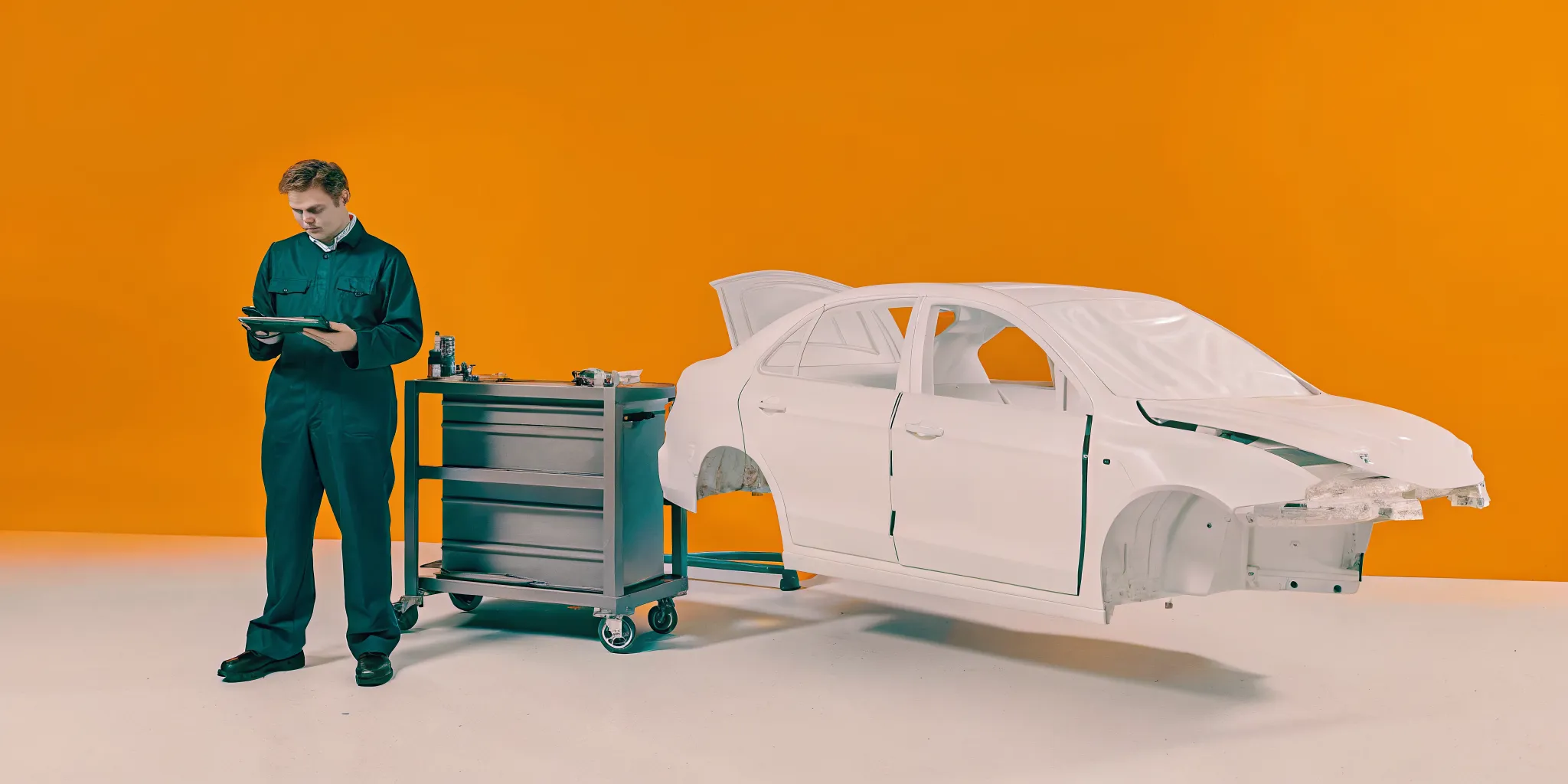
Cutting corners on a collision repair can turn a small dent into a major safety risk. Valid manufacturer repair procedures collision repair provide a map for restoring your car to its factory strength. We use these rules to ensure your vehicle protects you in a future crash.
Manufacturer repair procedures collision repair guidance gives technicians model-specific instructions for structural repairs, joining methods, corrosion protection, scans, and calibrations. Following those instructions helps preserve the vehicle’s designed strength and safety-system operation after a crash.
Schedule an estimate with Collision Center Orlando to ask how manufacturer procedures will guide your vehicle’s repair.
Knowing these factory standards is the first step in making sure your car is fixed the right way. To see why these guides are vital for your safety, we will answer what are manufacturer repair procedures in collision repair? Here is how they work.
Manufacturer Repair Procedures Collision Repair: What are manufacturer repair procedures in collision repair?
Manufacturer repair procedures are model-specific factory instructions that define approved repair methods, materials, measurements, joining techniques, corrosion protection, scans, and calibrations. Technicians use them to build and document a repair plan suited to the exact vehicle rather than relying on a generic approach.
Manufacturer repair procedures are the official set of steps that a car maker writes to fix a car. Think of them as a factory blueprint or an exact recipe for your car. Every model has its own rules for how to fix dents, repair frames, and set up safety sensors. These guides tell a shop exactly which tools to use and which parts to buy. By following these rules, a repair center can make sure your car is safe to drive again.
Built for safety
Modern cars are not just made of metal and plastic. They are an integrated assembly of parts that work together to protect you. If one part is fixed wrong, the whole safety system might fail. This is why car makers create strict rules for every repair job. For example, some parts can only be welded in certain spots. Other parts must be replaced rather than fixed to keep the car frame strong. These exact steps keep the car’s structural strength intact.
Following these plans is also a big part of meeting factory standards. Car makers spend years testing how their cars perform in a crash. They use this data to write the best repair steps. If a shop uses the wrong method, they might change how the car reacts in a future crash. Using these official rules is the best way to keep your car working as it should. It ensures that the metal stays strong and the sensors work right.
How shops use these plans
A high-quality shop does not guess how to fix a car. Instead, technicians look up the exact year, make, and model of your car. They read the latest factory data before they start the job. Following strict manufacturer repair procedures is a key part of being an OE-certified shop. It requires special tools and deep training for every pro on the team.
Many shops use generic habits to save time or money. They might use old methods that worked on older cars but are not safe for new ones. These shortcuts can lead to weak repairs and hidden risks. Official data provides the only valid way to handle modern parts like high-strength steel. At Collision Center Orlando, we use these factory rules to guide every step of our work.
Keeping your car safe
Following these procedures helps return your car to its pre-loss condition. This means it will work just as it did before the crash. If a shop skips a step, they could bypass a safety feature that you need to stay safe. For instance, improper collision repairs can make a car unsafe for you and other people. They can affect how airbags deploy or how the frame bends.
Using the right methods also protects your warranty and your vehicle’s resale value. When you follow the maker’s plan, you know the repair is done right the first time. It prevents issues like rust, leaks, or strange noises later on. We stay updated on these rules to give you peace of mind. Our team knows that your safety depends on the quality of our work.
How procedures guide structural and body repairs
For structural and body work, manufacturer procedures define whether a component may be straightened or must be replaced, where cuts can be made, and which joining and corrosion-protection methods are approved. That vehicle-specific direction helps technicians choose methods compatible with the original design.
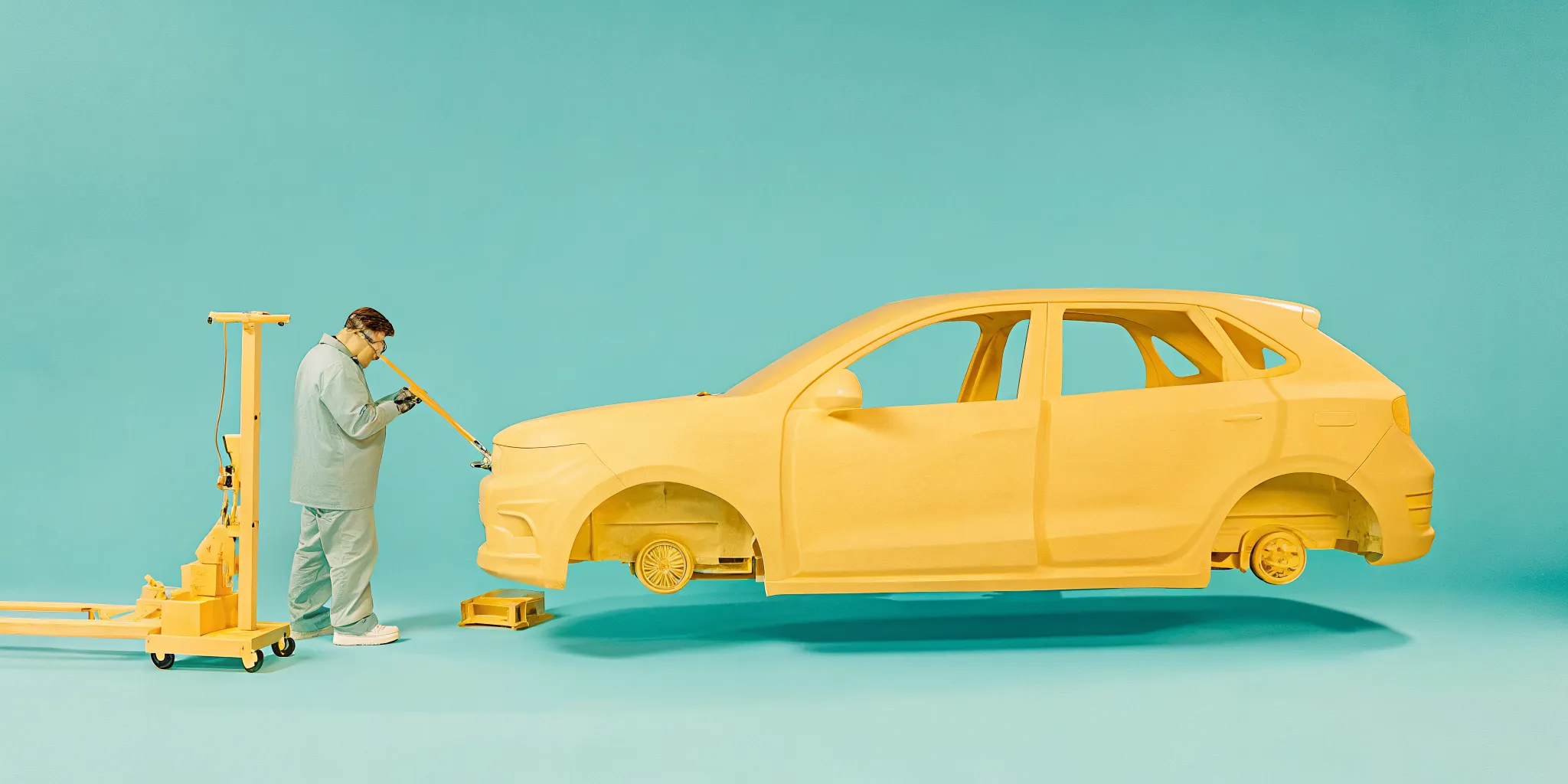
When your car has frame or body damage, the repair path must be clear. At Collision Center Orlando, we follow factory repair rules to ensure every step meets high standards. These guides tell us exactly how to handle the complex metals and safety systems in your car. Following strict manufacturer repair procedures is the only way to make sure your vehicle is safe to drive again.
Repair or replace?
A big part of body repair is knowing when to fix a part and when to swap it. Brands provide data that tells us if a frame rail can be fixed or if it needs a new part. Modern cars are built as a joined set of parts that work together. Following factory specs is critical for maintaining overall vehicle safety and keeping the body strong. We never guess on these choices because your safety depends on a proper fix.
If a part is made of high-strength steel, it might lose its strength if we try to pull it back into shape. In those cases, the rules will require a new part. This ensures that the car will still protect you in a future crash. By using manufacturer-approved repair methods, we return the vehicle to its pre-loss state. This protects both your life and the value of your car.
Joining ways and materials
How we put the car back together is just as important as the parts we use. Brands list the exact ways needed to join parts for different areas of the car. This could include specific types of welding, rivets, or strong glue. Some brands even restrict certain parts to shops that have the proper training and tools for body work. We use these precise steps to match the factory build.
Body repairs also involve exact measurements. We use 3D tools to check the frame against factory data. This ensures the car is perfectly straight and all parts fit as they should. Using the right materials and ways prevents weak spots in the repair. This level of detail is what sets an expert shop apart from one that takes shortcuts.
| Repair Factor | Manufacturer Procedures | Generic Methods |
|---|---|---|
| Joining Ways | Specific welds and rivets | Standard welding only |
| New Parts | OEM parts only | Often uses aftermarket |
| Safety Checks | Full system scans | Visual check only |
| Materials | Matches factory steel | General grade metal |
| Precision | Factory data | Visual alignment |
Quality checks and rust protection
The final steps of a body repair focus on long-term health and safety. We apply rust protection to all new welds and joints. This step is often skipped in cheap repairs but is required by factory rules. Poor repairs can badly hurt safety by leaving the metal open to the air. We make sure every inch of the repair is sealed and safe.
We also perform full quality checks before any car leaves our shop. This includes checking the fit of every panel and testing all safety sensors. These final steps confirm that the car works exactly like it did when it was new. Our team takes pride in doing the job right the first time. You can trust us to put your safety first in every repair we do.
Why safety-system instructions matter after a crash
Safety-system instructions identify the scans, inspections, calibrations, and functional checks needed after a collision. These steps matter because sensors, cameras, restraints, and related components can be affected even when damage is not obvious during a visual inspection.
Modern cars use many sensors, cameras, and radar units to keep you safe. These parts help with tasks like lane keeping and fast braking. If a crash happens, these systems can get out of line. Even a small hit can shift a sensor by a tiny amount. This may cause the system to fail when you need it most.
Restoring hidden safety features
You cannot always see damage to a car’s safety tools with your eyes. A bumper may look fine on the outside, but the radar unit behind it might be loose or broken. This is why manufacturer repair procedures are so vital. These rules tell techs how to test and fix every safety part to keep you safe on the road.
Techs use tools to scan the car’s computer for hidden codes. These scans find issues that do not turn on a dash light but still change how the car reacts in a crash. Proper repairs follow steps set by the people who built the car. This makes sure that features like airbags will work as they should in the future.
The need for sensor calibration
After a shop fixes a part or the frame, they must reset the sensors. This step helps the “eyes” of the car see the road the right way. Without this work, your car might brake for no reason or fail to warn you of a threat. Using official repair methods helps return the car to a safe state after a wreck.
Reseting sensors needs special tools that match your car’s make and model. Some shops might skip these steps to save time or money, but that puts your life at risk. At Collision Center Orlando, we follow these strict rules to make sure your car is ready for anything. We treat every car as a whole unit where every small part must work with the rest.
Why visual checks are not enough
A shiny coat of paint can hide bad repair work. While the car may look new, its strength depends on how it was put back together. Following the right steps is the only way to keep the safety and warranty integrity of your car. Using a visual check alone is a risk that no driver should take after a crash.
What should you ask a collision repair shop?
Ask the shop how it obtains current procedures for your exact vehicle, documents required operations, handles safety-system calibrations, and verifies the completed repair. Clear answers help you understand whether the repair plan is based on vehicle-specific evidence from the manufacturer.
Picking the right shop is about more than just a fast fix. You need to know that your car will be safe once it is back on the road. Asking the right questions helps you find a team that puts your safety first. Here are the main things you should ask before you say yes to any work.
Check their repair methods
You should always ask if the shop uses official manufacturer repair procedures for every job. These steps come from the brand that built your car. They tell the workers how to fix the frame, body, and safety parts the right way. Using these steps is the only way to make sure your car meets strict safety rules after a wreck.
Many new cars use special metals and high-tech sensors. If a shop skips steps, it could put you and your family in danger. A good shop will show you the full plan. They will explain which parts they are using and why they chose those methods to fix your car.
Ask about parts and safety tech
You want to know if the shop uses factory parts. These are made just for your car. They fit better and work well with the safety tech. Using factory parts and steps helps return your car to the way it was. This keeps the car strong and helps it keep its value for a long time.
You should also ask if the shop checks the car’s computer systems. These scans look for hidden errors in the sensors. If the sensors are not set the right way, things like auto-braking might not work. A team that uses the manufacturer repair procedures collision repair pros trust will always check those car systems. This ensures every part of your car works just as it should.
- How will you fix the frame and body? Ask if they use the official book for your car’s year and model.
- Do you use factory parts? Find out if they use real parts or cheaper pieces that might not fit the right way.
- Are your workers trained? Ask if the staff has the right skills to handle your brand of car.
- Will you scan the car’s sensors? Make sure they check the computer systems before and after the repair.
- Can you help with my insurance claim? A good shop will talk to your insurer to get the repair done right.
- Do you stand by your work? Check if they offer a warranty on the paint and body repairs they do.
Confirm the shop’s training
Workers need special training to fix today’s cars. You should ask what skills the shop has been tested on. Some car brands only sell certain parts to shops with special training. This ensures that the people working on your car have the right tools and gear for the job. You can easily book a time to talk about your car with an expert team.
Ask if they can repair your specific car brand. Even if a shop has specific badges, they should be able to fix most cars. A team with the right tools can help you get back on the road in Orlando. They will make sure your car is safe and ready to drive again.
How OE-certified expertise supports a proper repair
OE certification supports proper repairs through manufacturer-specific training, equipment, and access to current technical information. Collision Center Orlando applies that verified expertise while repairing all makes and models, including vehicles outside its certified brands.
OE-certified skill is a key trust signal for car owners. It shows that a body shop has the right tools and skills for a safe fix. When a shop earns this title, it means they follow the car maker’s exact rules. These steps protect the safety and value of your car after a wreck. At Collision Center Orlando, we hold official titles for Kia, Genesis, and Nissan. To get these, we spend money on high-end gear and new training for our team. This work ensures we are following strict manufacturer repair procedures on every job.
Training and special tools
Modern cars use high-tech metals and smart safety parts. Fixing them takes more than just basic shop tools. A shop needs special gear to weld and pull frames the right way. Car makers set high bars for the shops they certify. They want to know that the team can handle the newest car tech. Our team stays current on the best ways to fix cars. We use tools that match what the maker used to build the car in the first place. This helps us return your car to its best state. Using these manufacturer-approved repair methods keeps you and your family safe on the road.
Direct access to factory data
One of the top perks of our status is access to factory data. Car makers change how they build cars quite often. A shop must have the latest news to do a great job. We get the exact steps for each car model we fix. This data tells us where to cut, weld, and bond parts. It ensures that every manufacturer repair procedures collision repair step is done with care. Using the right steps is a must for parts like airbags and crash sensors. Experts at the NHTSA note that proper structural repairs require the right training and tools to keep drivers safe. If a shop skips these steps, it can harm how the car protects you in a future crash.
Expert care for every car
We have special titles for some brands, but we fix all cars. Our team uses the same high goals for every make and model that comes to our shop. Whether you drive a Ford, Chevy, or Honda, we focus on a proper fix. We use data-driven steps for all cars to keep them safe. This helps keep your car’s value high and its warranty in good standing. Our goal is to help you through the whole repair path. We work hard to make sure your car is safe and looks like new when it leaves.
- Safe fix steps for all car brands
- New tools and frame gear for precise work
- Factory data for every car model we fix
- Help with insurance claims and forms
- Focus on your car’s safety and resale value
How repair procedures support insurance claim conversations
Manufacturer procedures give the shop a factual basis for explaining why specific operations, parts, materials, scans, or calibrations belong in the repair plan. They help document vehicle-specific technical needs without implying an insurer partnership or guaranteeing a particular claim outcome.
When you start an insurance claim, you might feel like you are stuck in a complex debate about costs. But a safe repair should not be about the lowest price. Instead, it should be based on what your car needs. By using a clear plan built on following strict manufacturer repair procedures, we can show exactly what your car needs to be safe again. This data helps you have better talks with your insurance firm about the scope of the work.
Building a factual repair plan
A good repair starts with facts, not guesses. We look at the data from the people who built your car to find the right steps. These manufacturer repair procedures list every tool, part, and step needed for a fix. Using these methods helps return your vehicle to its pre-loss state after a crash. You can find more about this in the NHTSA guidelines for vehicle safety. This proof makes it much easier to explain why specific steps are needed for your car.
Safety as the main focus
Safety systems in modern cars are very complex. If a shop skips a step, it could hurt how your car protects you in the next crash. A poor fix can bypass key steps, which can lower the safety of the vehicle and its passengers. We use data to make sure every sensor and part works just like the day you bought it. We help you use this info to show your insurer why manufacturer-approved repair methods are vital. Our goal is to act as your guide so you get a fix that keeps you safe on the road.
Book an estimate with Collision Center Orlando to discuss your vehicle’s damage, repair procedures, and insurance claim support with our team.
Frequently Asked Questions
Why are manufacturer repair procedures critical for collision repair?
These rules show shops how to fix cars to the exact standards of the brand. Cars today use complex parts and safety tools that need special care. If a shop follows these steps, they keep your car safe and strong. According to Collision Center Orlando, these factory steps help keep your car’s warranty and safety systems in top shape. Using the right methods ensures your car works as it should after a crash.
What happens if a collision repair shop ignores manufacturer repair procedures?
Ignoring these rules can make your car unsafe to drive. Shops that skip factory steps might miss hidden damage or use the wrong tools. This could cause safety tools like air bags to fail in another crash. A report from the State of Michigan warns that bad repairs can hurt the strength of your car. This puts you and your passengers at high risk. Proper repairs avoid these dangerous mistakes.
Are collision repairers required by law to follow manufacturer repair procedures?
Laws about car repairs vary by state, but many areas now push for shops to use factory rules. Even when not a law, most experts say these steps are a must for safety. Many insurance plans also look for shops that follow these rules to ensure high quality. Following these steps helps return your car to its best state. It also helps shops stay honest about how they fix your vehicle after an accident.
How do manufacturer repair procedures protect car safety?
These rules keep your car safe by making sure every part works together as it should. Modern cars are built as one whole unit where every piece depends on the others. If a shop misses a step, a safety tool like an air bag might not work. The NHTSA notes that cars are built as a set of joined parts. Following factory steps ensures your safety systems are ready if you have another crash.
Ready to schedule a collision repair estimate?
Skipping the right repair steps can hurt your car and put your safety at risk. Waiting too long or picking a shop that cuts corners can lead to hidden damage. This may lower what your car is worth when you try to sell it later. Choosing a shop that follows the car maker’s rules is the best way to stay safe. Starting now means we can spot issues and get the right parts on order fast. Our team works with your insurance to make sure the job meets high standards. You will get back on the road faster when you trust experts to fix your car. We are here to help you through every step of the repair process.
Ready to schedule a collision repair estimate? Call (321) 972-1549 to schedule a collision repair estimate today.