

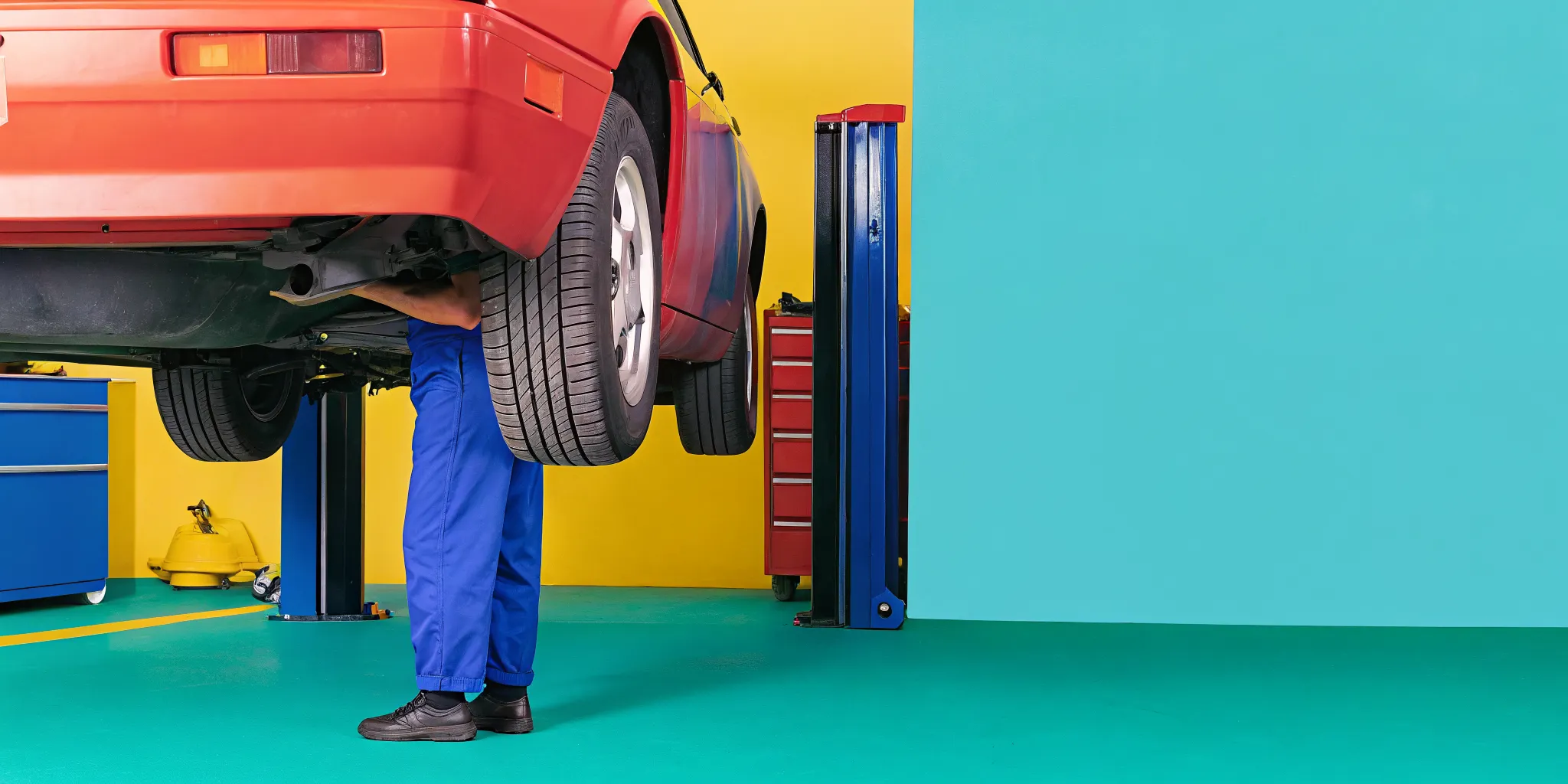
A sharp pull on Colonial Drive or a crooked steering wheel on I-4 can be the first warning of wheel alignment after collision Orlando issues. Even when body damage looks minor, an impact can shift steering or suspension parts and change how the vehicle tracks. Those handling changes deserve a collision-focused inspection.
Request a post-collision inspection from Collision Center Orlando.
After a collision, an alignment inspection measures wheel angles and checks steering, suspension, and structural components for impact-related changes. Prompt attention is important when a vehicle pulls, the steering wheel sits off-center, or tires begin wearing unevenly. The underlying damage should be identified before wheel angles are adjusted.
Many drivers wonder why a small bump can cause such a noticeable change in how their car feels. The answer begins with how crash force travels through the vehicle.
Wheel Alignment After Collision Orlando: Why impacts change wheel tracking
Collision force can travel beyond visible body damage and shift steering, suspension, or structural components. That movement changes toe, camber, or caster, causing the vehicle to drift, handle differently, or wear tires unevenly. A post-collision inspection finds the cause before an alignment adjustment is attempted.
When a car is hit, the force moves through the body and frame. Even a small bump can push the steering and suspension parts out of place. This shift is why many drivers need a wheel alignment after collision Orlando. If your car pulls to one side or the steering wheel feels crooked, it often signals hidden damage after an accident. It is vital to find these issues early to keep your car safe on the road.
How crash force moves steering parts
A crash is more than just bent metal. The force from a hit travels deep into the suspension. Parts like tie rods, struts, and control arms are strong, but they can bend or move under high stress. A curb strike during a slide can also knock your tires out of their correct angle. This change in the steering setup leads to fast tire wear and poor handling. Proper alignment is needed to fix these angles and protect your car. Correct wheel settings are required for safe vehicle operation, according to the National Highway Traffic Safety Administration.
Post-crash checks versus routine service
Getting an alignment after a crash is not the same as a regular service visit. After a hit, a shop must look for bent frames or cracked parts that a basic check might miss. Structural impacts often mean a worker must inspect parts that are not easy to see. This thorough look is a key part of the repair plan for your car. Impacts can misalign parts that are deep inside the vehicle frame. Without this check, your tires will wear down much faster than they should. A full check helps find small bends that could cause big issues later.
Precision tools for Orlando drivers
Restoring your car to the right specs takes high-tech gear. Modern shops use laser-based systems to check the angles of your tires. These tools measure toe, camber, and caster with great care. This ensures your car handles the way the maker intended. High-tech tools help a shop find shifts in the suspension that the eye cannot see. This level of detail is a must when checking for frame damage after a crash. When your frame is straight and your wheels are set right, your car will track true and stay safe in traffic.
Signs your wheels may be out of alignment after a crash
Common post-crash alignment warning signs include pulling left or right, an off-center steering wheel, new vibration or steering noises, and uneven tire wear. A symptom may point to more than incorrect wheel angles, so a collision-focused inspection should check the related steering and suspension parts.
Even a small bump in Orlando can push your car out of line. You might not see the damage right away, but you will feel it. It is vital to find these issues early to keep your car safe. Proper wheel alignment after collision Orlando helps your car drive straight and protects your tires from fast wear.
Your car pulls to one side
One common sign is when your car pulls to the left or right. You might feel like you have to fight the wheel to stay in your lane. This often happens because the crash bent a part of the steering system. The NHTSA states that correct wheel alignment is needed for safe vehicle operation. If you let go of the wheel on a flat road and the car drifts, you likely need a check.
Steering wheel is off-center
Look at your steering wheel when you drive straight. The logo in the middle should be level. If it sits at an angle while you go straight, your alignment is off. This is a clear sign of hidden damage after an accident that you should not ignore. It means the wheels and the steering wheel are no longer in sync. This can make it hard to steer in a sudden stop or turn.
Uneven tire wear or noises
Check your tires for wear that looks different on each side. If one edge of the tread is smooth while the other is thick, your wheels are tilted. This uneven wear can lead to a flat tire. You might also hear a squeal from your tires when you turn. Experts use laser module systems to find these tiny shifts in wheel angles. Fixing this early saves you money and keeps your car safe on the road.
Can a minor collision cause alignment problems?
Yes. A low-speed collision or curb strike can shift or bend steering and suspension components without leaving dramatic exterior damage. If handling changes after any impact, an alignment measurement and component inspection can reveal whether the wheel angles changed and whether repairs are needed first.
Even a small bump can knock your wheels out of place. Most drivers only look for dents or broken lights. But the most unsafe issues are often ones you cannot see. When your car hits something, the force moves through the steel. It can bend parts of your steering and suspension. This leads to poor handling and fast tire wear. If you wait to fix it, the repair cost grows. Getting an expert wheel alignment after a collision in Orlando keeps your car safe and steady.
Hidden damage from low speed hits
A “fender bender” often hides more than it shows on the surface. You might only see a small scratch on your bumper. Under the plastic, though, the hit can push your frame or suspension parts. Even at low speeds, a crash can change the angle of your wheels. These shifts are small, but they matter for your safety. They change how your car steers and how it stops in a crisis. You may not feel the pull right away. Small changes can slowly cause hidden damage after an accident that leads to big bills later.
Why wheel angles matter for safety
Correct wheel angles are a key part of how your car stays safe. As stated by the NHTSA, proper wheel alignment is needed for safe vehicle use and to stop uneven tire wear. If your wheels point the wrong way, your car has to work harder to move. This can increase fuel use and accelerate tire wear. It can also mess with your steering. You might feel the car pull to one side or shake. This makes it harder to stay in your lane. This is a big risk for you and others on the road.
Signs you need an alignment check
Many drivers ignore small signs of trouble. They think a slight pull or a crooked wheel is just a quirk of the car. But these are red flags you should not miss. A car should track straight when you let go of the wheel on a flat road. If it does not, your alignment is likely off. You should also check your tires for wear. If one side is smoother than the rest, your wheels are not flat on the road. A quick check at a shop can find these issues before they ruin a set of new tires.
| Symptom | Possible Cause | Expert Check |
|---|---|---|
| Pulling to one side | Bent tie rod or strut | Measure wheel angles |
| Crooked steering wheel | Shifted steering rack | Inspect steering parts |
| Uneven tire wear | Poor camber settings | Check tire tread depth |
| Squealing tires | Wrong toe angle | Laser alignment test |
Expert shops use laser tools to see if your wheels are off by even a fraction of an inch. These tools measure the toe, camber, and caster angles of your car. This makes sure your ride matches the factory rules. Collision Center Orlando uses top tools to find these hidden issues. This is also vital for cars with modern safety tech. Most new cars have sensors that help you stay in your lane. These systems often need a reset after a wheel fix. This keeps your car safe and helps your tires last much longer.
Why post-collision alignment matters for tires and handling
Correct wheel angles help tires contact the road evenly and help the vehicle track as intended. After a crash, misalignment may also signal bent or shifted components. Inspecting and correcting the underlying cause protects tire tread, handling, and the accuracy of systems that depend on vehicle geometry.
Getting a wheel alignment after collision Orlando is more than just a repair step. It is a way to make sure your car is safe to drive again. Even a small bump can knock your car out of line. It is one of the most vital steps in the collision repair process to avoid big bills later.
Better tire life and fuel savings
When your wheels are not straight, they do not roll the right way. Instead, they scrub against the road as you drive. This creates heat that wears down your tires. You may notice your tires look bald on one edge while the rest looks new. This bad wear means you will have to buy new tires much sooner than you planned.
Bad wheel angles also make your engine work much harder. Your car has to fight against the drag of the wheels to keep moving. This extra work uses up more gas. By getting an expert check, you can find hidden damage after an accident that hurts your fuel use. Correct wheel angles can help reduce unnecessary rolling resistance.
Safe handling on Orlando roads
Driving in Orlando means dealing with fast traffic and sudden rain. High speed roads like I-4 and the 408 need your car to track straight. If your car pulls to the left or right, it can be hard to stay in your lane. This pull is a clear sign that your suspension is out of line. It can make driving feel like a chore and puts you at risk.
Wet roads make this issue even worse. When it rains, your tires need a full grip on the road to stop fast. A car that is not in line may slide or spin more easily on wet pavement. The NHTSA says that correct wheel alignment is needed for your car to work well and to reduce tire wear. Keeping your steering in top shape is the best way to stay safe during a storm.
Restoring vehicle safety systems
Many cars now have driver help systems, or ADAS. These systems use sensors and cameras to watch the road for you. They help you stay in your lane and can even brake for you to stop a crash. These tools rely on the car being fully straight. If your wheels are off by even a tiny bit, the sensors may not see the road the right way.
Checking your alignment is a key part of fixing these high tech tools. If a shop does not check the wheels, the safety systems might not work when you need them most. In some cases, the car might even try to steer itself into another lane by mistake. A full inspection helps identify alignment and related system issues that need attention.
What happens during a post-collision alignment inspection?
A post-collision alignment inspection starts with the impact history, then checks tires, steering, suspension, and relevant structural areas. Precision equipment measures toe, camber, and caster against vehicle specifications. Any bent, loose, or damaged component should be addressed before final alignment measurements are verified.
Starting the check
An expert check starts with a discussion about the crash. Collision Center Orlando asks where the car was hit and how hard the impact felt. This context helps technicians find hidden damage after an accident that may not be visible at first. Even a small hit to a curb can push your wheels out of place. The inspection is designed to identify every part that might be bent.
Technicians also look at the tires for signs of wear. New wear patterns can indicate that steering parts are bent. Finding these issues early is important to keep you safe on the road. A wheel alignment after collision Orlando keeps your car moving in a straight line. It stops the car from pulling to one side when you let go of the wheel.
The step-by-step look
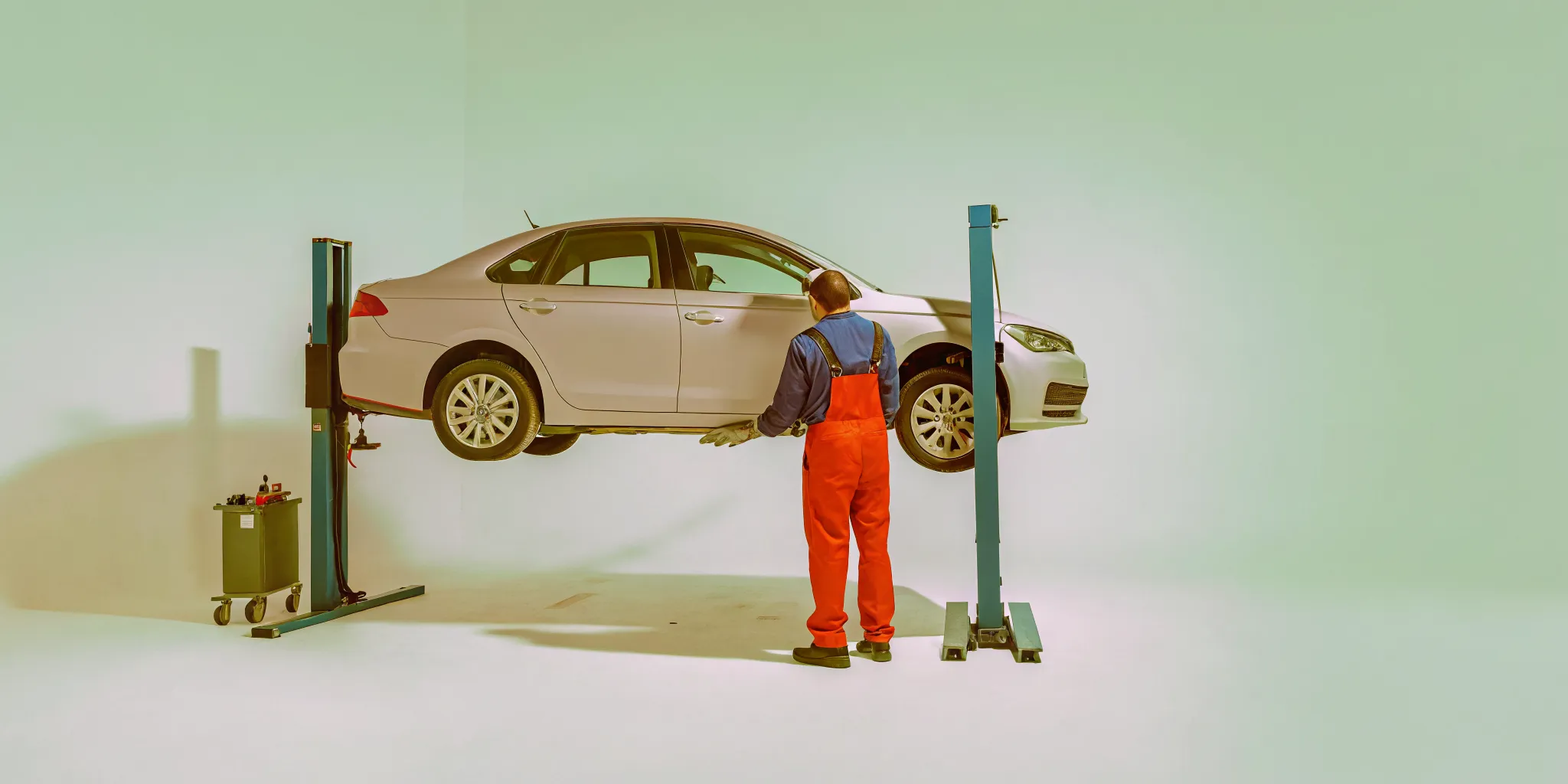
Once Collision Center Orlando knows where the hit occurred, technicians follow a set inspection process. This helps prevent relevant steering parts from being missed. The inspection covers the frame, suspension, and wheels. Each part must work with the rest to keep the car steady. If even one part is off, the whole car can feel loose.
- Discuss the impact. Technicians ask how the car felt during and after the crash. This indicates which wheels may have taken the most force.
- Visual inspection. Technicians look for bent metal or leaks under the car and check shocks and struts for signs of damage.
- Tire check. Technicians look for cuts or flat spots on the tire walls and check that tire pressures are appropriate.
- Steering check. Technicians move the wheels to identify loose steering parts, including tie rods that might be worn or bent.
- Precision measurements. Alignment equipment checks the exact wheel angles and compares them with vehicle specifications.
- Identify needed repairs. Bent or broken parts must be repaired before the vehicle can be aligned correctly.
- Final verification. Technicians verify measurements and confirm how the vehicle steers.
Tools for a safe drive
Collision Center Orlando uses precision alignment equipment to measure toe, camber, and caster angles. If these angles are wrong, your car will not handle well. This can make it hard to stay in your lane when you drive. It can also make it hard to stop in a short space when you need to.
Correct wheel angles are a must for safe car use. They also help your tires last a long time. You can learn more about how proper wheel alignment stops tire wear from the experts at the NHTSA. Correct alignment helps tires wear evenly.
Many new cars have systems that help you stay safe. These are often called ADAS. They use cameras and sensors to watch the road. If your wheels are not straight, these systems might not work the right way. Collision Center Orlando checks applicable systems after alignment work. This is a key part of post-collision vehicle safety scans. This broader verification supports informed post-repair decisions.
When should you schedule an alignment check after a collision?
Schedule an alignment inspection promptly after a collision when the vehicle pulls, the steering wheel is crooked, steering feels loose, new noises appear, or tire wear changes. Include the check within the broader collision repair process so technicians can identify damaged components before adjusting wheel angles.
A car crash can knock your wheels out of line in a split second. You might wonder if you can wait or if you need help right away. The best time to check your wheel alignment after collision Orlando is as soon as you can. Even a small bump can bend parts that you cannot see from the outside.
Signs to watch for right away
You should stop driving if your car pulls hard to one side. This pull means your steering parts may have damage. A crooked steering wheel while driving straight is one more big sign. These issues make it hard to control your car on the road. Safe driving depends on correct wheel alignment to keep you in your lane.
You might notice other changes in how your car acts. Watch for these signs after a crash:
- Tire noise: Tires squeal when you turn
- Steering vibration: The steering wheel shakes
- New sounds: Noises come from the wheels
- Loose steering: The steering wheel feels loose
Pay close attention to how your tires sound and feel. These problems can lead to hidden damage after an accident that gets worse over time. If you feel these signs, you should call a repair shop right away to stay safe.
Schedule a check during the repair process
Most experts say you should check your alignment during the steps in the collision repair process. A pro shop will look at more than just the tires. They check the frame and suspension for any small bends or cracks. Impact forces can move parts that are not easy to see. Fixing these early saves you money on new tires later.
Do not wait for your tires to show wear before you act. By the time you see bad tread, the damage is already done. Fixing the angles of your wheels helps your car handle better. It also ensures that your safety systems work as they should. Modern cars use sensors that need straight wheels to read the road right.
Why an expert check matters first
A collision shop does more than a quick tire store check. They look at the whole car to find why the wheels are off. Simply fixing the toe or camber will not fix a bent frame. A full look ensures that every part is in the right place. This step is needed to restore your car to its best, safe state.
In Orlando, road heat and rain can make driving on bad wheels even riskier. A prompt inspection provides useful information after a stressful crash. It can identify issues that affect handling and help inform the repair plan.
Frequently Asked Questions
These answers explain when an alignment check may be needed, how collision-related insurance coverage is typically evaluated. Why ignoring symptoms is risky, and what to look for in an Orlando collision repair shop. Specific repair and coverage decisions depend on the vehicle damage and the driver’s policy.
When is a wheel alignment required after collision repairs?
You need a wheel alignment check if your car had steering or suspension repairs. This includes replacing parts like tie rods or struts. Many shops also need this check after a major frame fix. Modern cars often need this fix to keep safety systems working. Proper wheel alignment after collision Orlando helps your car handle well. It ensures your steering wheel stays straight. Getting this check after a fix is a key part of keeping your car safe on the road.
Does insurance cover wheel alignment after a collision?
Coverage for wheel alignment depends on the policy, documented collision damage, and the insurer’s claim review. Ask your adjuster about coverage early and provide the inspection findings. According to the NHTSA, correct wheel alignment is needed for safe vehicle use. A collision shop can document inspection findings for the claim review.
What are the risks of ignoring wheel alignment after a crash?
Driving with wheels that point the wrong way is risky. It can make your car pull to one side without warning. This makes it hard to steer in a sudden stop. It also ruins your tires very fast. You may need to replace tires sooner than expected. Crooked wheels also put stress on your steering parts. Experts use laser tools to find these shifts in wheel angles. Fixing the issue now helps you stay safe and saves you money.
How do I find a reliable auto body shop for alignment in Orlando?
Look for a shop in Orlando that has expert tools and training. A good shop should use laser systems to check your wheels. Ask how the shop checks steering, suspension, structural areas, and applicable vehicle systems before finalizing alignment work. Collision Center Orlando helps drivers in the Greater Orlando area evaluate collision-related repair needs. Call (321) 972-1549 to request an inspection.
Ready to get your wheel alignment checked?
If your vehicle pulls, vibrates, or has an off-center steering wheel after a crash, request a collision-focused inspection. Collision Center Orlando can evaluate wheel angles and related steering, suspension, and structural components, then explain the findings and any recommended next steps.
Driving with incorrect wheel angles can affect handling and cause uneven tire wear. Collision Center Orlando can also help identify hidden damage after an accident to help you get back on the road with a calm mind and a car in top shape.
Ready to request a collision repair estimate? Call (321) 972-1549 to request a collision repair estimate.