

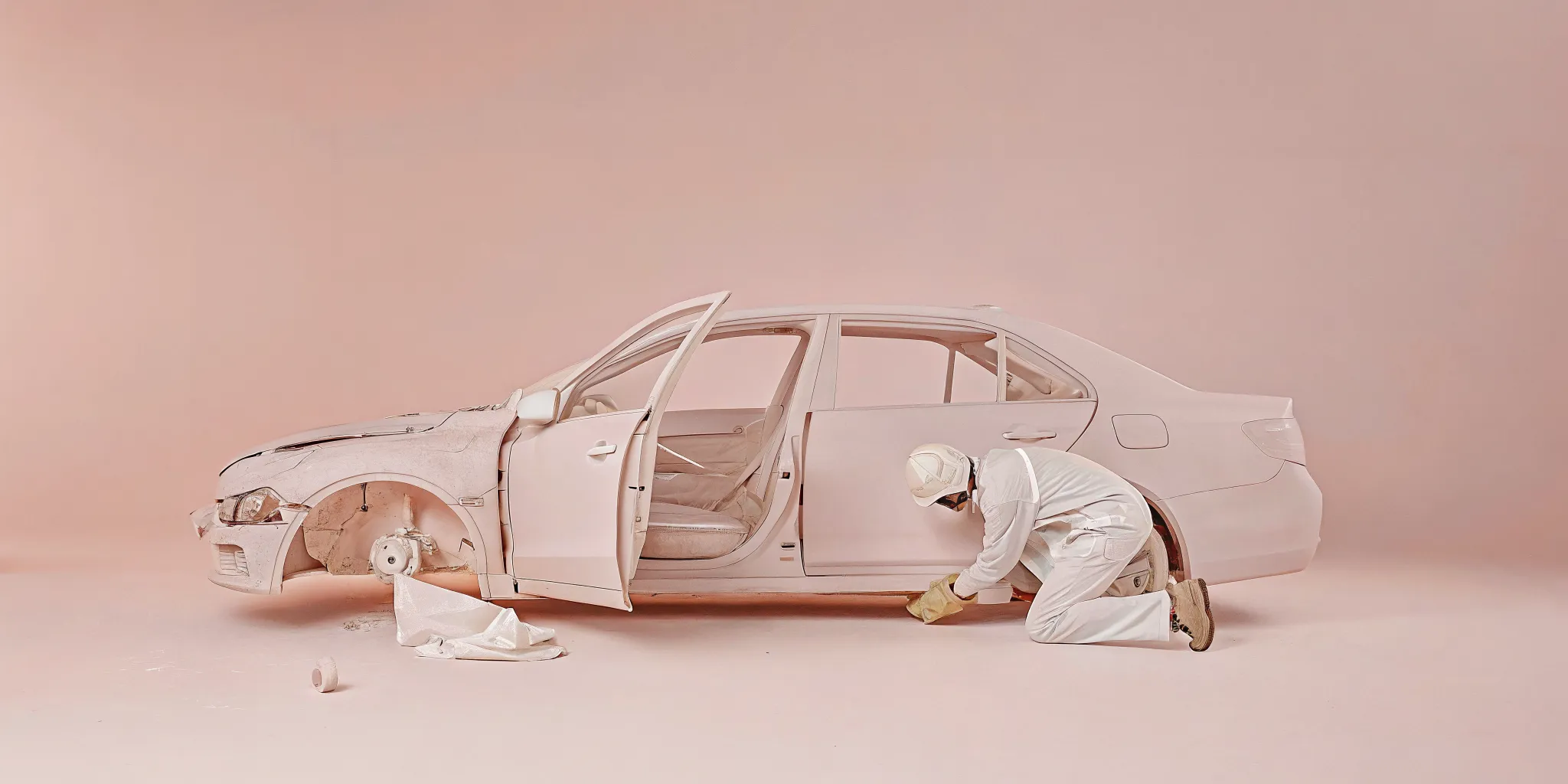
. A T-bone accident often leaves behind hidden frame issues that a quick visual check cannot find. Modern doors and pillars are packed with sensors and steel meant to absorb massive energy. Fixing this safety gear requires a shop that looks far beyond the surface of the metal.
Proper side impact collision repair restores the complex safety systems that protect people who sit very close to the door. These vital parts absorb massive energy during a hard side crash and keep the cabin safe for you and all your passengers. Because side crashes are among the most likely collision types to cause injury, every fix must meet strict factory rules to keep you safe. A complete repair involves measuring the frame for tiny shifts, using special tools to weld steel, and testing hidden sensors for your airbags. By following these precise factory steps, a certified shop restores the car so it can shield your family just like it was first built.
Even a minor hit from the side can hide deep damage that puts you at risk. You must understand why side impact collision repair requires a full assessment to find these issues and keep you safe. The right path begins with
Why side impact collision repair requires a full assessment
A side crash often looks like it only caused a small dent in a door or panel. But the way cars are built now means that forces move deep into the frame. In Orlando, busy roads often lead to side crashes that look small but hide big issues. This is why side impact collision repair starts with a full look at the entire path of damage.
Hidden damage inside the frame
The metal on the outside of your car is thin, but the parts under it are very strong. Side crashes push force through parts like the center pillar, doors, and floor. Even if your door opens and closes, the frame under it may be bent or cracked. We use structural measurement tools to check if the frame is still straight. This step is needed for identifying hidden structural damage that you cannot see. If these parts stay bent, your car will not protect you well in a future crash.
High-strength steel and special tools
Most new cars use high-strength steel to keep you safe. These metals are very tough, but they need special care after a crash. If a shop uses the wrong heat or tools, the metal can become weak. Our team uses manufacturer-specified repair procedures to fix these parts. We use tools like special welders to keep the factory strength. This work is vital because side crashes have a high risk for injury because the door is so close to you.
Electronic safety systems
Side crashes often hit sensors and wires that help your car stop or steer. These parts are hidden deep inside your doors and panels. Modern cars need pre-repair and post-repair diagnostic scanning to find these issues. If a sensor is off by just a bit, your car may not brake or turn correctly. We check every safety part, including the seat belts and airbags, to make sure they work. This full check ensures your car meets all factory safety rules before it goes back on the road in Orlando.
What parts of the vehicle can a side impact damage?
A side impact collision often causes damage that goes well beyond the surface of your car. Because there is very little space between the door and the driver, these crashes can affect many systems at once. Drivers face a higher risk of thoracic injury in these events due to how close they are to the impact zone. You can learn more about these risks in this study on side impact safety from the NIH. To fix your car the right way, a shop must look at both the outer panels and the hidden frame.
Body panels and doors
The doors are usually the first parts to take the hit in a side crash. Modern doors have side-impact bars inside them to protect you, but these bars can bend or break during a wreck. A shop will check if the door can be fixed or if you need OEM-certified replacement parts to stay safe. Quarter panels and rocker panels may also crumple. These parts are often welded to the car, which makes them harder to replace than a simple bolt-on door or fender.
Structural B-pillars and frame
The B-pillar is the post between the front and back doors. It is a vital part of your car’s roof and side strength. Side forces can bend this pillar or even push the frame out of place. We use tools for identifying hidden structural damage to see if the car is still straight. Restoring your car to its factory shape is a top goal. Our team uses tools to confirm the frame is within the right specs after we finish the repair.
Glass and trim components
Side window glass is made to break into small, dull pieces during a crash to prevent cuts. But this glass can also fall inside the door or the car cabin. Trim pieces, handles, and mirrors are also likely to break. Even if the damage looks small, we must check the window tracks and locks. A proper OE-certified collision repair ensures that every small part works just like it did when the car was new.
Sensors and alignment
Modern cars have sensors in the doors and pillars that tell the airbags when to fire. A side hit can damage these wires or sensors without leaving a mark on the outside. We use pre-repair and post-repair diagnostic scanning to find these issues. The impact can also knock your wheels out of line or damage the suspension. If your car pulls to one side after a crash, it may have hidden damage to the parts that help you steer.
How is a side impact collision repair planned?
Planning a collision repair in Orlando for a side impact requires a detailed plan. Side hits often lead to more harm than other accident types. This happens because the car door is very close to the driver and riders. Research from the CDC shows that side hits are often more likely to cause harm than many other crash types. Also, tests show that thoracic injury risks are much higher when crash forces hit the side of a vehicle. An expert shop must look deep into the car to find hidden issues. This step-by-step planning ensures your car returns to its factory safety state.
Mapping the frame and safety parts
A good plan starts with a full map of the damage. A side hit can move the car’s center pillars or floor. These parts are vital for safety. If they are even a few millimeters off, the car may not be safe. Techs use laser tools to measure the frame. This ensures the car is straight before we start the work. We also look at the airbag sensors in the doors. These sensors must be in the right spot to work when you need them.
The repair planning steps
The side impact collision repair process follows a set path. This path helps us find every part that needs a fix. It also helps us talk to your insurance company. We show them why a full fix is needed for your safety. Our team acts as your advocate to make sure the car is fixed right.
- Initial estimate and visual check. A tech looks at the doors, pillars, and rocker panels to find obvious damage.
- Taking the car apart. The shop removes interior panels and trim to see the inner structure and safety parts.
- Frame measure. Lasers or tools check the frame to ensure it is not bent or twisted.
- Repair steps lookup. We find the exact OE-certified repair steps for your specific make and model.
- Parts planning. Techs list all needed items, including high-strength steel parts and one-time use bolts.
- Checks and safety tests. We run electronic scans to check that airbags and sensors will work in the future.
Why electronic scans are needed
Modern cars have many sensors. A side hit can shake these sensors or break their wires. We use pre-repair scans to find these faults early. This saves time and keeps the cost clear. After the fix, a post-repair scan makes sure everything is back to normal. Tests show that crash safety tools help lower how bad this harm is. We make sure these systems are ready to protect you again.
Restoring structural strength with factory rules
Most new cars use high-strength steel in the side pillars. This steel is very tough but hard to fix. You cannot just pull it back into shape like old metal. Often, it must be replaced as a whole unit to keep the car safe. We use brand-approved welders to join new parts to your car. This keeps the car’s frame as strong as it was when it was new. Our shop holds certifications for Kia, Genesis, and Nissan. This means we have the special tools and training to fix these cars. Following these rules helps keep your car on the road and safe for your family.
Why manufacturer repair procedures matter
Safe manufacturer-specified repair procedures are the only way to fix a car right today. Each car maker has its own steps to restore a car after a crash. These steps tell shops how to handle new metals, parts, and safety tools. Using the right guide is vital for a side impact collision repair to ensure the car stays strong.
Advanced metals and joining methods
Many new cars use high-strength steel to keep you safe. This metal is very strong but needs special care when it gets bent or crushed. If a shop uses too much heat, it can make the steel weak. Repair guides show us exactly which tools to use, such as a resistance spot welder, to join parts back together. This helps the car frame protect you in a future crash.
Shops must also know where they can cut or “section” a part. Some parts of a car frame cannot be cut at all. If a tech cuts in the wrong spot, the car may not crumple the right way in another crash. Following factory steps ensures the vehicle body keeps its original strength.
Safety systems and calibrations
Modern cars have sensors and cameras that help prevent crashes. Tools like automatic emergency braking can help lower the risk of hurt in a side hit (PMC10347263). When a side hit happens, these electronic parts often get bumped or moved. We use pre-repair and post-repair diagnostic scanning to find any hidden damage in these systems.
Once we fix the body, we must calibrate the sensors. This means we set them back to factory rules so they “see” the road right. Without this step, your safety features might not work when you need them. We check every detail to make sure your car is just as safe as it was before the hit.
Restoring structural accuracy
A side impact can push the frame of a car out of place. This is risky because even a small shift can change how the car drives and protects you. To fix this, we use tools to measure the frame in 3D. This structural measurement confirms the frame is straight and back to factory specs (CDC 119321).
Factory steps also cover how to prevent rust after a fix. We apply special coatings to new parts and welds to keep the metal from breaking down over time. This keeps the car strong for many years. By following these rules, we ensure your vehicle is ready to hit the road in Orlando with full factory quality.
Which safety systems may need attention after a side impact?
When a car is hit from the side, the safety systems must react in a split second. These parts are built to soak up force and keep you safe. During side impact collision repair, shops must look past the bent metal and paint. Many of these safety parts are hidden inside the doors, roof, and seats. A full check of these systems is a vital part of the repair process for any modern car.
Airbags and impact sensors
Side-impact events often trigger side-curtain or seat-mounted airbags to protect your head and torso. Even if the airbags do not go off, the sensors that control them might be damaged. These sensors are often placed inside the door panels or near the B-pillar. Technicians check for cracks, loose mounts, or broken wires that could stop the system from working. If an airbag does deploy, the entire system needs a reset or new parts.
Shops must follow manufacturer-specified repair procedures to make sure these parts are set up correctly. Using the right steps is the only way to check that the car will protect you again. Each car brand has its own rules for how to handle these special safety parts. Expert repairers use these guides to replace airbag units, clock springs, and control modules as needed.
Seat belt and interior safety parts
Most modern cars use pretensioners that pull the seat belt tight when sensors detect a hit. These parts use a small charge to pull the belt back in a fraction of a second. Once they fire, they cannot be fixed and must be replaced. A technician will check every seat belt in the car to see if the locks and retractors still work well. They also look at the seat frames and mounts for any signs of stress.
Inside panels and headrests also play a role in keeping you safe. A hit can bend a metal frame or break the mounts where the belt is attached. Research shows that active seat belts and other safety tech help reduce the risk of serious injury from side impacts. Keeping these parts in top shape is a priority for any safe repair. Shops make sure that all inside safety parts are fixed to their factory state.
Advanced driver help and electronic scans
Many new cars use cameras and radar to help the driver see around the vehicle. A side impact can knock these tools out of place or cut the data wires that they use. Sensors for blind-spot watch are often behind the rear bumper or inside the side mirrors. Technicians use pre-repair and post-repair diagnostic scanning to find hidden electronic issues. These scans find error codes that a visual check might miss.
After the body work is done, these systems often need to be calibrated. Calibration makes sure that parts like lane-keep help or cross-traffic alerts are right. Without this step, the car might not see a danger on the road. The final post-repair scan confirms that all new parts are talking to the car computer. This process proves that the safety systems are active and ready for the road again.
What affects a side impact repair estimate?
A side impact collision often causes more damage than what you see on the outside. Because there is little space between the door and the driver, these crashes carry a high risk for thoracic injury and frame damage. A good repair estimate must look past the paint to find all the issues. Many factors will change the final cost of a side impact collision repair.
Surface damage and hidden issues
Outer parts like doors and fenders may only show a few dents. But the force of the hit often travels deep into the frame. Techs must check the center post, rockers, and floor for cracks or bends. A shop should use pre-repair and post-repair diagnostic scanning to find hidden electronic faults in the safety tools. These scans find problems that a visual check might miss.
Structural work and safety
New cars use high-strength steel to protect people. To fix these parts, a shop needs tools like resistance spot welders. They must also use OE-certified collision repair steps to keep the car safe. Precise frame measurement is the only way to prove the car is back to its factory shape. If the frame is off by even a small amount, the safety tools may not work right in the next crash.
Parts and tech setup
The cost of parts is a big part of the estimate. Using real factory parts ensures a good fit and keeps your car warranty. After the body work is done, many cars need tech help. This includes sensor setup for lane-keep tools or blind-spot monitors. These steps add to the time and cost, but they are needed to keep the car safe on the road.
| Repair Factor. | Visible at Intake. | Found During Planning. |
|---|---|---|
| Outer Panels. | Scratches and dents. | Panel gaps or shifts. |
| Frame Health. | Visual door gaps. | Measured frame data. |
| Electronics. | Warning lights. | Stored fault codes. |
| Safety Parts. | Deployed airbags. | Sensor and wire damage. |
| Materials. | Sheet metal type. | Steel weld needs. |
If you have questions about your estimate, our team is here to help. You can call (321) 972-1549 to talk with our team or book a full check of your car. We focus on safe, factory-approved repairs for every driver in Orlando.
What should you do after a side-impact crash?
Check for safety and injuries
Side-impact crashes often happen at busy stops or when a car turns. These wrecks are risky because the door is close to the person inside. One study shows that wrecks from the side cause more harm than most other types. Your first step should be to check for pain. Many people hurt their chest or ribs when a car hits them from the side.
If you are able, look for these signs of harm:
- Pain in the chest or ribs.
- Feeling dazed or confused.
- Cuts from broken glass.
If you can, move your car to a safe spot away from traffic. Turn on your hazard lights so other drivers can see you. Staying in the road can lead to a second crash. Once you are safe, take a deep breath. Side hits are scary, but staying calm helps you make good choices. You’ll need to stay alert to the area while you wait for help to arrive.
Document the scene and damage
Use your phone to take photos of the cars and the road. Take shots from many angles. Side hits often hide damage under the surface. A simple dent on a door may hide a bent frame or broken safety sensors. Note the spot of the hit and any warning lights on your dash. Watch for signs like a steering wheel that pulls to one side. Modern cars use high-strength steel to protect the cabin. This metal is strong, but it needs special tools like spot welders to fix.
Talk to the other driver and swap insurance info. Do not admit fault or say you are fine until a doctor sees you. Often, pain from a side hit shows up a few days later. Also, get a police report. This paper helps when you talk to your insurance firm. If people nearby saw the crash, ask for their names and phone numbers. This extra info can help your case later.
Get a full repair plan
A side-impact collision repair is not a simple fix. The force of the hit can shift the whole frame of your car. We use manufacturer-specified repair procedures to ensure your car is safe to drive. These steps come from the people who built your car. Shops with factory badges for Kia, Genesis, or Nissan have the right tools for this work. They follow the rules set by the maker.
Our team uses pre-repair scans to find hidden computer codes. These codes tell us if your airbags or sensors have issues. We also use tools to measure the frame. This ensures the car is back to its right shape. Do not let an insurance firm talk you into quick fixes. You need a shop that puts your safety first. Call Collision Center Orlando at (321) 972-1549 for a full estimate.
Frequently Asked Questions
How much does side impact collision repair cost?
The cost to repair side-impact damage changes based on how bad the crash was and the parts involved. Minor door dings might cost a few hundred dollars. Large repairs involving high-strength steel and safety sensors can reach several thousand dollars. According to Collision Center Orlando, getting an expert quote is the best way to find your costs. We focus on factory repairs to keep your vehicle safe and maintain its value.
Does a side impact accident always total a car?
Not every side-impact crash results in a total loss. An insurance company usually totals a car if the repair costs are more than most of the vehicle’s value. Side impacts often involve the center pillar and frame, which are costly to fix. If the car cannot be made safe again based on factory rules, it may be a total loss. Our team helps you with the claim to ensure your car is handled the right way.
Is it safe to drive my car after a side-impact collision?
It is often unsafe to drive a car after a side impact, even if it seems fine. These crashes can damage hidden safety parts like side airbags or seat belt systems. According to the CDC, side-impact crashes are among the most likely to cause injury. Driving with a bent frame or faulty sensors puts you at risk. You should have a shop run a full safety scan before you get back on the road.
Why is structural measurement necessary after a side impact?
Structural measurement is vital to confirm that your car frame is still straight after a crash. Side-impact forces can shift the car’s body by tiny amounts, which changes how it handles and protects you in the next accident. According to Collision Center Orlando, using exact tools to check the frame is the only way to ensure a safe repair. Proper measurement helps restore the car to its factory specs for better long-term safety.
Ready to request a collision repair estimate?
Leaving side-impact damage alone can lead to serious safety risks and hidden body issues that you might not see. It is vital to get a professional look at your car right away to find these problems before they get worse. Waiting to start repairs can lower your vehicle’s value and make small issues turn into large, costly problems that are hard to fix. Our team helps you handle the insurance process so you do not have to face the stress by yourself. We follow manufacturer-specified repair steps to bring your car back to factory safety standards and protect your family. A quick check now means you can get back on the road with a safe vehicle and total peace of mind.
Ready to request a collision repair estimate? Call 321-972-1549 to request a collision repair estimate and start your vehicle’s restoration today.