

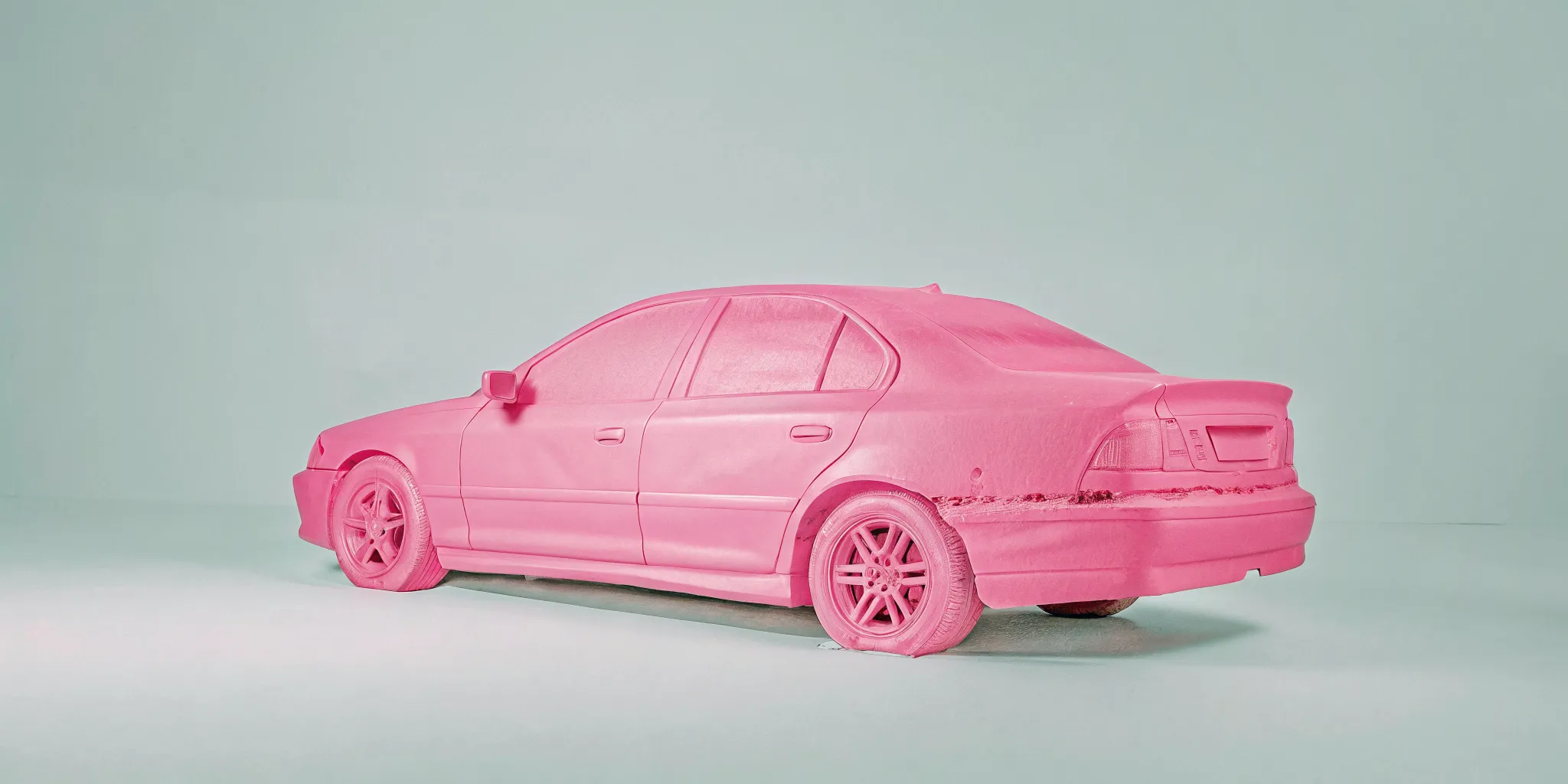
Rear-end collisions are the most common type of car crash in the U.S. today. While a dented bumper seems simple, the force of the hit often travels deep into the car frame. Orlando drivers must look past the surface and request a professional inspection before making conclusions about the extent of damage.
Rear end collision damage often includes hidden frame damage or bent suspension parts that are not easily visible to the driver at first glance. These common impacts can disrupt vital drivetrain parts and safety sensors which need professional tools to find and repair correctly for your future safety. According to Universal Technical Institute, these accidents occur about 1.7 million times every year and frequently lead to unseen trunk leaks. Orlando drivers should get a professional check to ensure their vehicle meets all safety standards and to get a written estimate for their insurance claim. This detailed inspection looks past the plastic bumper cover to find deep problems with the chassis and structural mounts that could cause handling issues later.
You might wonder what specific parts of your vehicle need the most attention after even a minor fender bender. To help you understand the professional repair process, we have listed the vital details of Rear end collision damage: What should be inspected? The path begins with
Rear end collision damage: What should be inspected?
Many drivers think a small bump in traffic is just a minor issue. They see a few scuffs on the bumper and assume the car is fine. But rear end collision damage often goes much deeper than the surface. About 1.7 million rear-end crashes happen each year in the U.S. alone. Modern cars use plastic covers that can pop back into place after a hit. This hides the true force of the crash from the eye. A full check must look at what is beneath the paint to keep the car safe on the road.
Beyond the plastic bumper cover
The plastic cover on your rear bumper is mostly for style and air flow. Behind it sits the real safety gear that keeps you safe during a hit. A pro must remove the cover to find hidden issues like:
- Crushed foam absorbers that no longer soak up force
- Bent metal reinforcement bars that protect the frame
- Cracked mounting points where the bumper meets the body
- Cut or pinched wires for rear lights and sensors
Even a slow crash can crush these parts. Once they are crushed, they cannot protect you in the next accident. If the bar is bent or the foam is flat, they must be replaced to keep you safe. These small parts are vital for the health of the vehicle.
Frame and drivetrain health
A hard hit from the back can push the frame of the car out of place. This might lead to impact damage inspection needs for your wheels and suspension. If the frame is bent, the car will not handle well. You might notice the car pulling to one side or tires wearing out too fast. Rear impacts can also hurt the drivetrain or the exhaust system. This damage is hard to see without looking under the car. If your car feels odd or makes new sounds when you drive, it may have deep part or engine issues.
Trunk seals and safety sensors
Rear impacts often warp the metal in the trunk or hatch area. You should check if the lid still closes tightly and if the lock is secure. A bad seal can let water leak into the car, which causes mold and rust over time. Modern cars also have sensors and cameras in the rear for safety. These parts are part of the advanced driver assistance systems that help you avoid crashes. Even a light tap can knock these sensors out of sync. They need a pro to test and fix them so they work right again. Getting a written estimate is a big help when you talk to insurance. It makes sure all the damage is found and paid for in the claim. An expert shop has the tools to find hidden issues that a driver might miss. This keeps the car from losing value and keeps your family safe. In Orlando, you should look for a shop that knows how to handle these deep checks. This ensures your car is returned to how it was before the crash. A documented check-up also helps you prove the car is safe if you decide to sell it later.
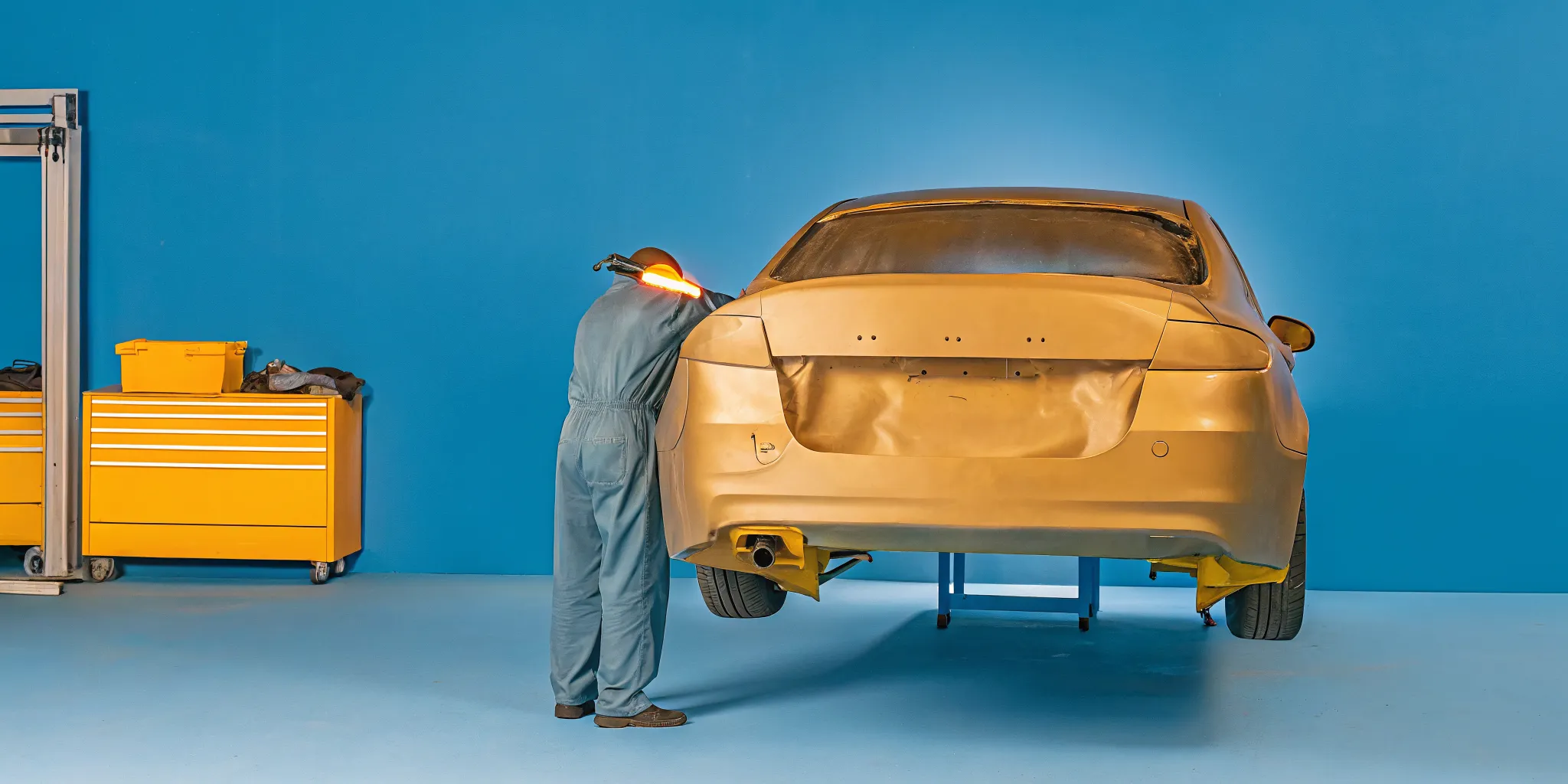
Visible signs versus hidden damage after a rear-end impact
Rear-end crashes happen often on roads in the United States. In fact, these types of accidents occur about 1.7 million times each year. When your car gets hit from behind, you might only see a few scuffs. But the real rear end collision damage may hide deep inside the car. Even a small bump can lead to big safety risks if you do not find and fix them soon.
Checking for outside bumper signs
Many drivers look at their car after a crash and think it looks fine. You might see small marks on the plastic or a slight crack in the paint. These signs show that the car took a hit, but they do not tell the whole story. You should check if the trunk lid still shuts tight or if the lights on the rear end still work.
Also, look for parts that hang low or do not line up right. If the plastic cover is loose, it might hide broken parts underneath. These small signs are clues that you need a pro to look at the car. A clear bumper damage check helps you see if the car needs more than just a quick fix.
Finding hidden frame and part damage
The most unsafe issues often stay out of sight. A hit to the rear of your car can push the frame out of place. This can ruin your car’s wheel alignment and make it hard to steer. It can also cause tires to wear out fast or make the car pull to one side while you drive.
Modern cars have sensors for safety that sit behind the bumper. These tools help with cruise control and lane alerts. Even a low-speed hit can break these tools or move them out of place. If they are not set right, they might not work when you need them most. In some cases, a rear hit can even damage the gears or the trunk latch.
| Area of Car | Visible Sign | Hidden Damage |
|---|---|---|
| Bumper | Paint chips or scuffs | Crushed metal bars |
| Body Frame | Panel gaps | Bent frame rails |
| Sensors | Loose plastic trim | Broken safety radars |
| Alignment | Scraped rims | Bent suspension parts |
| Trunk | Dented metal | Water leaks or bad seals |
Why first looks can be wrong
You cannot judge a crash by how the paint looks. Many new cars have bumpers that pop back into place after a hit. The car might look like new, but the bars inside are crushed. These bars are meant to take the force of a hit to keep you safe. Once they crush, they cannot do their job a second time.
If you ignore these hidden flaws, you could face high repair costs later. Small cracks can let water into the car and lead to rust or mold. Also, a car with hidden frame damage is worth much less if you try to sell it. It is best to get an estimate to find any damage inspection needs right away. This keeps you safe and helps your car last longer.
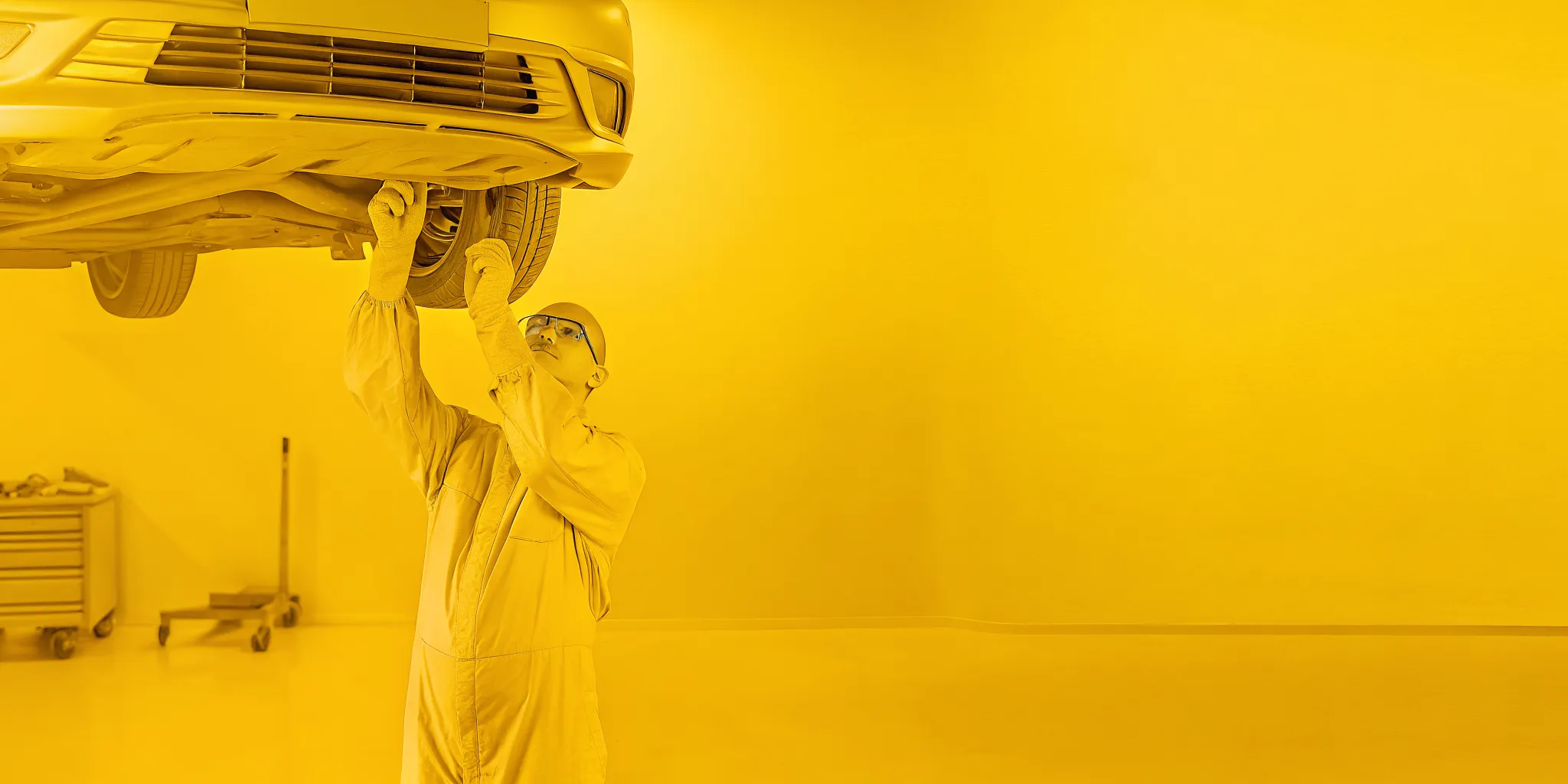
Can a rear-end collision affect alignment and handling?
A rear-end impact does more than just dent your bumper. It can push your wheels out of place and hurt how your car drives. Many drivers think that if the car still rolls, it is fine. However, even a small bump can shift your impact damage inspection and cause your car to pull to one side. This makes the car harder to control and can lead to safety risks on the road.
How the suspension works
Your suspension is vital for how your car drives. It helps your car stay stable by keeping your tires in contact with the road. This system includes the chassis, springs, shocks, and struts. These parts support the weight of your car and soak up road shocks. When a car hits yours from behind, the force can bend or break these parts. This damage is often hard to see from the outside. According to Universal Technical Institute, a pro check is needed to find these hidden issues.
How alignment affects tires
When your car is out of alignment, your tires do not sit flat on the pavement. This leads to uneven tire wear. It means you will have to buy new tires much sooner. It also makes your car feel less stable when you turn or drive fast. Impact damage can shift your wheels just enough to cause these problems without you knowing at first. This is why getting rear end collision damage checked by a pro is key for your safety and your wallet.
Steering and tracking changes
You may notice your car does not track straight after an accident. If you have to fight the wheel to stay in your lane, your alignment is likely off. You might also hear strange noises when you go over bumps. These are signs that your car has impact damage that needs a look. Pro shops have the right tools to measure these parts and fix them. At Collision Center Orlando, we fix cars to keep you safe on the road. This helps your car run well and keeps its value high.
Which structural areas may need a closer look?
A rear impact does more than dent a bumper. Much of the rear end collision damage stays hidden from sight. You might see a small scratch on the plastic cover, but the metal parts beneath it could be bent. This is why a pro needs to look at the bones of your car. They check for bent parts that keep you safe in a crash. These hidden issues can lead to big safety risks if they are not fixed right away.
Unibody and frame strength
Most cars today use a unibody build. This means the frame and body are one piece. In a crash, this frame is meant to fold to soak up the force. Even a slow bump can bend these parts. If the frame is bent, the car may not protect you well in the next crash. It can also change how your car handles on the road. You might notice that the car pulls to one side when you drive.
A shop will use tools to measure the frame. They compare your car to the factory specs. This shows if the frame has shifted even by a few inches. Bent frame mounts can also cause the need for an impact damage inspection by a pro. Finding these issues is key to making sure the car drives straight again. Modern shops use laser tools to find shifts that the human eye cannot see.
Rear body panels and trunk floor
The rear body panel is the metal wall behind your bumper. It holds the trunk latch and lights in place. A hard hit can crush this panel or push it into the trunk floor. If the floor is buckled, it can change how the whole rear of the car sits. This panel also acts as a seal against exhaust fumes and road noise. If it is bent, you might hear more wind or road sounds while driving.
Trunk damage is a common issue after a hit. You might find that your trunk does not close right or the latch feels loose. According to the Universal Technical Institute, hidden issues like trunk damage can hurt the safety and value of your car. A pro will look for signs of metal stress or cracks in these areas. They will also check that the trunk seal is tight to keep the inside dry.
Gaps, seams, and water leaks
Check the gaps between your body panels. They should be even on both sides of the car. If the gap is wide on top but tight on the bottom, the frame may be bent. This shift can pull apart the seams where metal parts meet. These seams use welds and glue from the factory. A crash can break these bonds, which lets the body move or shake too much.
Open seams are a big problem because they let water in. If rain gets into the trunk, it can cause rust or mold. It can also hurt the wires for your tail lights or safety sensors. Finding water leaks early helps you avoid big repair bills later. Expert shops use a thorough check to find these hidden leaks. They may use special tests to find where the air or water is getting through.
Safe repairs mean looking at every joint. Orlando drivers should know that even a small bump can cause these seams to fail. When seals break, the health of your car is at risk. A shop will clean and reseal these areas to stop rust. This keeps your car strong and helps it last for years. It also keeps your car quiet and dry inside.
Why warning lights and driver-assistance systems matter
Modern cars use many sensors to keep you safe. After a car crash, these tools may stop working. A rear end collision damage can break parts you cannot see from the outside. If your dash lights up, you should not ignore it. Your car needs a pro to look at it and find the cause.
Sensors and safety tech
Many cars now have tools like blind-spot monitors and back-up cameras. These parts often sit in or near the bumper. A small hit can bump them out of place or break their wires. Even if the bumper looks fine, the tech inside could be hurt. Skilled shops use special tools to check these systems after a hit.
Parking sensors also sit in the rear of the car. They help you see how close you are to other things. If these fail, you may hit a pole or a wall. Rear hits often damage the wiring that runs to these sensors. A full damage inspection will show if these wires are pinched or cut.
Advanced systems and calibration
Advanced driver assistance systems (ADAS) are complex. They need to be set just right to work. A rear impact can throw off these settings. When this happens, your car needs a reset. This process helps the tech see the road again. Professionals have the tools to calibrate ADAS parts that an impact may move.
Not every car needs the same steps. The repair plan depends on your make and model. Some cars need a simple scan. Others need a deep reset. Your shop will look at the damage and the car type to see what is needed. This keeps your safety tech working as it should.
Warning signs on the dash
New dash lights mean your car has found a fault. These lights may show up for the engine, the exhaust, or the brakes. Rear hits can hurt the exhaust or the wires for the rear lights. If you see a light, get a scan. This scan reads the car’s computer to find out what is wrong.
Waiting to fix these issues can be a risk. A broken sensor may not warn you of a car in your blind spot. Also, a faulty wire can lead to more electrical problems later. Proper professional collision repair makes sure every system is safe and ready for the road again.
Request a repair estimate before hidden rear-impact issues become harder to document.
What should Orlando drivers do after a rear-end collision?
A rear-end crash can be a very hard event for any driver in Orlando. Even if the hit seems small, it is vital to take the right steps to stay safe and keep the value of your car. Modern cars have many parts hidden behind the bumper that can break in a crash. You should not think your car is fine just because you do not see a big dent.
Document the impact damage
The first thing you should do after a crash is make sure everyone is safe. Once you are in a safe spot, start taking notes. Use your phone to take clear photos of your car and the other car. You should look for any signs of rear end collision damage on the outer panels and the ground under your car. Check if your trunk still closes and opens like it should. These facts will help you when you talk to pros later.
You should also note how the car feels when you drive it away from the scene. Pay attention to any new sounds or a wheel that feels off. Rear-end crashes often cause hidden damage to the frame or the systems that help you steer. Taking a few minutes to record these notes can make the repair work much easier for you and your shop.
Get a professional check
You might think a small scratch on your bumper is just a look problem. But the real issues often hide where you cannot see them. Modern cars use complex systems like sensors and cameras in the rear bumper. These parts need to be set up well to keep you safe on the road. A simple check by a pro is the only way to find these hidden breaks.
A trained tech will look under the car to check the frame and the suspension. They have the right tools to find parts that are bent or cracked. This step is key for your safety because hidden damage can make your car hard to drive. In many cases, what looks like a small fix is actually a need for full collision repair to restore the car to how it was built.
Work with insurance experts
Dealing with insurance firms can feel like a lot of work. You need a clear and full price list to make sure the insurance pays for all the work. A good shop in Orlando will help you through this task. They will write down every part that needs a fix and give you a clear cost. This help is key to getting your car back to normal without extra stress.
- Stay safe and document: Pull over to a safe spot and take photos of both cars and the crash scene.
- Check for hidden signs: Look for issues with your trunk latch or new sounds while you drive.
- Avoid quick fixes: Do not just fix the paint if the parts under the bumper are broken or bent.
- Book a pro check: Schedule a full check-up at a shop that knows how to find hidden bumper damage.
- Get a full estimate: Ask for a list of all repairs to show your insurance agent.
- Restore for safety: Pick a shop that focuses on factory safety rules rather than just how the car looks.
Orlando drivers have many choices for repairs, but safety must come first. By following these steps, you ensure your car is safe for you and your family. A pro shop can handle the tech and the forms while you focus on getting back to your day.
What happens during a professional collision inspection?
A professional check starts with a full look at your car to find all rear end collision damage. Experts do more than just check for dents or scratches on the outside. They look deep into the body and frame to find issues that are hard to see at first. This step is key to making sure your car is safe to drive again in Orlando.
Finding hidden frame damage
Impacts from a crash can cause rear end collision damage to parts like the chassis or trunk latch. Even low-speed hits can bend metal parts that keep you safe. Pros may need to take parts off to see the frame and body mounts. This check is vital since hidden damage can change how your car keeps you safe in a crash, as noted by UTI.
In Orlando, local shops use special tools to check the frame for bends. They also look for trunk leaks or loose seals that can let water into your car. Finding these small issues early helps keep the value of your car high. It also stops more costly repairs from being needed later.
Checking the suspension and alignment
A rear hit often hurts the parts that help your car steer and ride smooth. A impact damage inspection checks the suspension and wheel alignment. If these parts are bent, your tires may wear out fast or your car might pull to one side. This can make it hard to stay in your lane while driving on busy roads in Florida.
Shops look at the springs, shocks, and struts for any signs of stress. They also check the drivetrain and engine mounts for damage that is not easy to see. Since the suspension holds the weight of the car, small bends can hurt how you steer. Keeping these parts in good shape is a top goal for any professional collision repair.
Planning for repairs and claims
After finding all the damage, the team makes a full plan to fix your car. This plan lists every part and job needed to get your car back to factory specs. A damage inspection also helps with insurance. Having a clear list of repairs makes it much easier to talk to your insurance agent about your claim.
Modern cars also have sensors and cameras for safety. These often need new calibration after a rear impact to work right. A professional shop has the tools to set these systems back to the way the maker intended. This full check ensures your car looks good and protects you as it should.
Frequently Asked Questions
How do I find hidden damage after a rear-end collision?
You can start by doing a walk-around to look for cracks or loose parts. However, many issues stay hidden behind the bumper cover. A professional shop can check for bent frames or broken clips that you cannot see from the outside. According to Universal Technical Institute, these hidden issues include electrical problems. They also include trunk damage that can cause leaks. Getting a pro to look is the only way to find every problem.
Can a minor rear-end collision cause structural damage?
Yes. Even low-speed hits can bend the frame or damage the chassis. Modern cars have crumple zones that absorb energy. This often means the inner parts take the hit instead of the outer shell. According to SAE International, bumpers often hide frame damage that occurs during minor crashes. If you ignore this, it can make your car less safe if you have another accident later.
Does rear-end collision damage affect vehicle alignment?
It often does. A hit from behind can push the wheels out of place or hurt the suspension. You might notice your car pulling to one side. You may also see uneven tire wear after a few weeks. Experts at UTI state that the suspension system is vital for steering. Professional shops in Orlando use tools to check your alignment and ensure your vehicle stays safe and easy to drive.
What are common mechanical problems after a rear-end collision?
Rear impacts can damage the drivetrain, exhaust, and fuel lines. You may also have issues with modern safety sensors, known as ADAS. These parts often need a pro calibration to work correctly again. If you notice new noises, fluid leaks, or lights on the dash, you should get a full check. These problems can hurt your car’s value if they are not caught early. A pro shop can find these issues fast.
Ready to request an expert collision repair estimate?
Rear-end accidents often leave more than just a scratch on your bumper. Hidden frame damage or broken safety sensors can stay out of sight until they cause a real problem on the road. If you wait to fix these issues, the repair may cost much more or your insurance might not cover the full bill later. Getting an expert check right away gives you peace of mind and keeps your car in top shape for years. Our team in Orlando will find every flaw so you can drive with confidence. Acting now means you can get back to your life faster and avoid shop delays. You will also protect the resale value of your car by fixing it the right way the first time. Do not let a small bump turn into a major safety risk. Our experts can help you find any rear end collision damage that might be hiding under the surface.
Ready to request a repair estimate? Request a repair estimate to talk to a collision expert.