

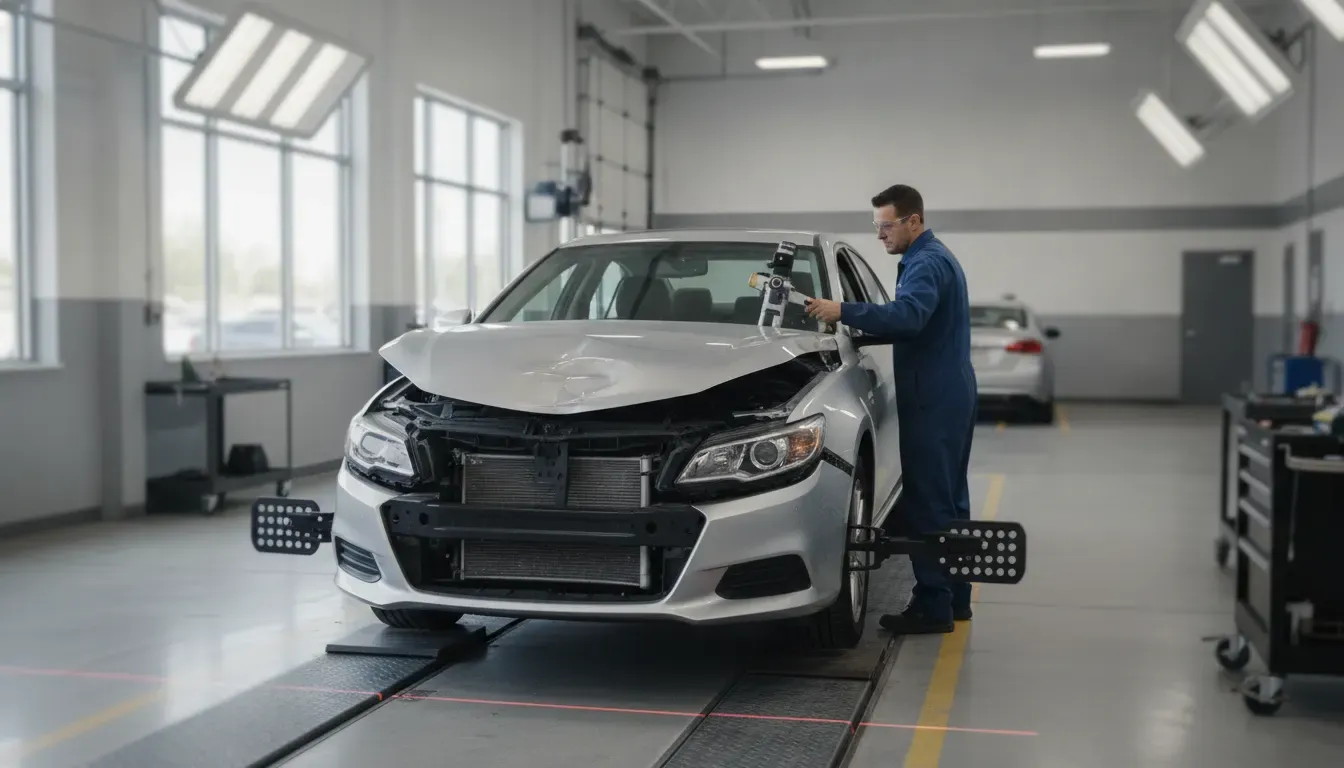
A unibody car is built with its body shell and major structural sections integrated into one unit instead of sitting on a separate full frame. That design affects how the vehicle manages crash energy and how a collision repair professional evaluates damage that may not be visible from the outside.
If you are researching what is a unibody car after an accident, the most useful answer is not simply “the frame and body are together.” The design includes engineered load paths, crumple zones, pillars, rails, floor sections, and other connected areas. When one part is affected, the repair discussion should consider the vehicle as a complete structure.
What is a unibody car?
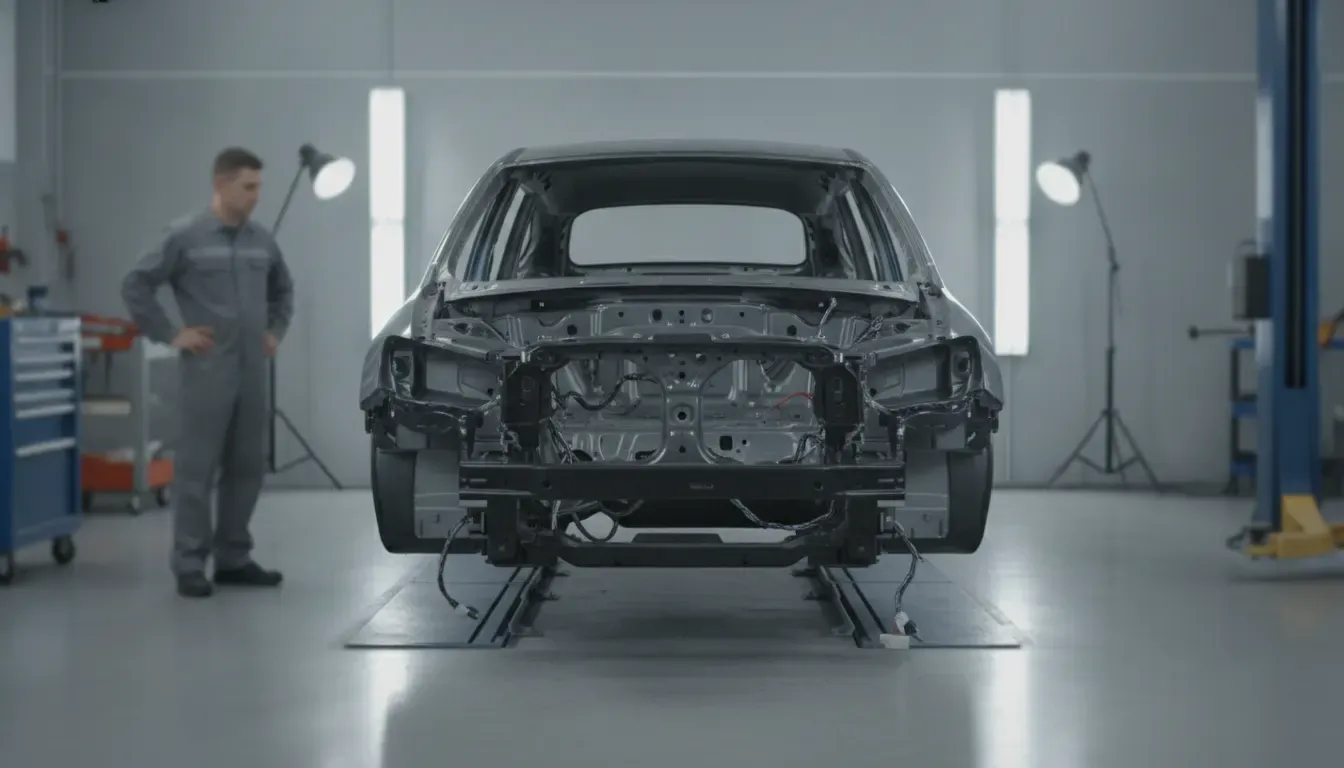
A unibody car uses an integrated body structure in which the outer shell and major structural sections work together as one vehicle assembly. Instead of relying on a separate full frame beneath the body, the vehicle uses areas such as the floor, pillars, rocker panels, rails, roof structure, and front or rear sections to carry loads and help manage crash forces. Some unibody vehicles still use bolt-on subframes for specific components, but those are not the same as a separate full ladder frame.
The word “unibody” is short for “unitized body.” In a typical unibody design, the body shell is assembled from many formed and joined sections. Each section has a job. The floor supports the passenger compartment, pillars help surround the cabin, rocker panels connect key areas along the sides, and rails or related reinforcements help carry forces through the front, rear, and underbody.
That does not mean every visible panel is a structural component, or that every dent affects the vehicle’s structure. A fender, door skin, or bumper cover may be damaged without the shell itself being out of position. A vehicle-specific inspection is needed to separate surface damage from possible structural concerns.
How does unibody construction manage collision forces?
Unibody construction manages collision forces by using a connected structure with areas designed to deform, transfer loads, and help preserve the occupant compartment. The front and rear portions may absorb energy through controlled deformation, while stronger areas around the passenger compartment help maintain the space around occupants. The exact design and repair requirements depend on the vehicle’s year, make, model, and manufacturer procedures.
A modern vehicle is engineered as a system rather than a collection of unrelated panels. During a collision, force can travel through the bumper reinforcement, rails, apron areas, floor, pillars, roof structure, suspension mounting areas, and other connected points. The path depends on the location and severity of the impact.
Engineers use crumple zones to help absorb energy in selected parts of the vehicle. These areas are intended to deform in a controlled way rather than allowing all the force to move directly into the passenger compartment. The structure around the cabin has a different role. It contributes to the shape and strength of the occupant space while connecting to other parts of the body.
Understanding that design explains why a vehicle can have damage that is not obvious at first glance. An exterior panel may hide a moved mounting point, reinforcement, bracket, or adjoining structural section. This is one reason Collision Center Orlando’s guide to hidden damage after a car accident is a useful companion resource, while this article stays focused on the vehicle architecture itself.
What is the difference between unibody and body-on-frame construction?
A unibody vehicle integrates the body and structural shell into one assembly, while a body-on-frame vehicle places a separate frame beneath a body. The two designs can both be engineered for safe performance, but the parts that carry loads and the way collision damage is evaluated are different. Vehicle size alone does not identify the construction type.
| Construction type | Basic layout | Collision inspection focus |
|---|---|---|
| Unibody | The body shell and structural sections form an integrated assembly. | Review the shell, rails, pillars, floor, mounting points, and related areas against vehicle-specific reference data. |
| Body-on-frame | A separate frame supports the body and related components. | Review the frame, body mounts, crossmembers, suspension mounting areas, and the body for damage or movement. |
| Either design | Modern materials and safety systems vary by vehicle. | Follow the year, make, model, and manufacturer-specific repair information instead of relying on a generic checklist. |
Many sedans, hatchbacks, crossovers, and smaller SUVs use unibody construction. Many pickups and some larger SUVs use body-on-frame construction. There are exceptions, and manufacturers can change designs between generations. If the construction type matters to your repair question, confirm the exact vehicle rather than guessing from its body style.
The distinction also changes the language used during an estimate. Drivers may say “frame damage” to describe a structural concern on any vehicle. On a unibody car, the relevant issue may involve a rail, pillar, rocker, floor section, apron, or another part of the integrated shell. A repair professional can explain which area is affected and what the vehicle-specific information says about the next step.
Schedule an Orlando collision repair estimate to discuss possible structural damage
Why does a unibody car need a careful collision inspection?
A unibody car needs a careful inspection because visible exterior damage does not show the condition of every connected structural area. The inspection should consider the impact location, accessible damage, alignment-related concerns, safety systems, and measurements or other evidence appropriate to the vehicle. It should not rely on a photograph or a quick visual guess to diagnose the shell.
A small-looking impact can still raise questions about parts behind a bumper cover or beside a damaged panel. A larger impact can affect multiple paths through the shell. The amount of visible paint damage does not, by itself, describe what happened to the body structure.
Collision Center Orlando’s frame damage after collision guide covers warning signs and evaluation questions. Those details are intentionally separate from this definition guide. Here, the key point is that a unibody design makes the relationship between body panels, structural sections, suspension points, and safety systems important to the inspection conversation.
What an inspection may review
- Where the vehicle was struck and how force may have traveled through the body.
- Exterior panels, openings, underbody areas, and accessible structural sections.
- Rails, pillars, rocker areas, floor sections, aprons, and mounting points when relevant.
- Wheel, suspension, and alignment-related concerns connected to the impact.
- Diagnostic scans or driver-assistance system checks when the vehicle and damage call for them.
- Measurements compared with the vehicle’s own reference information when structural position is in question.
This list is not a diagnosis and does not mean every vehicle needs every check. The appropriate scope depends on the vehicle and the documented collision damage. The goal is to make the repair discussion evidence-based before work is authorized.
How are unibody dimensions checked after a crash?
When structural position is in question, technicians can use vehicle-specific reference points and measuring equipment to compare the vehicle’s current dimensions with the manufacturer’s required data. The process may involve an initial assessment, access to hidden areas, measurements, repair planning, and re-measurement after structural work. The exact method depends on the vehicle and the damage.
Measurement matters because a body can look close to correct while a reference point remains displaced. A door gap, wheel position, or panel line can provide a clue, but appearance alone does not establish the location of hidden reference points. A documented measurement process gives the repair team a more reliable basis for decisions.
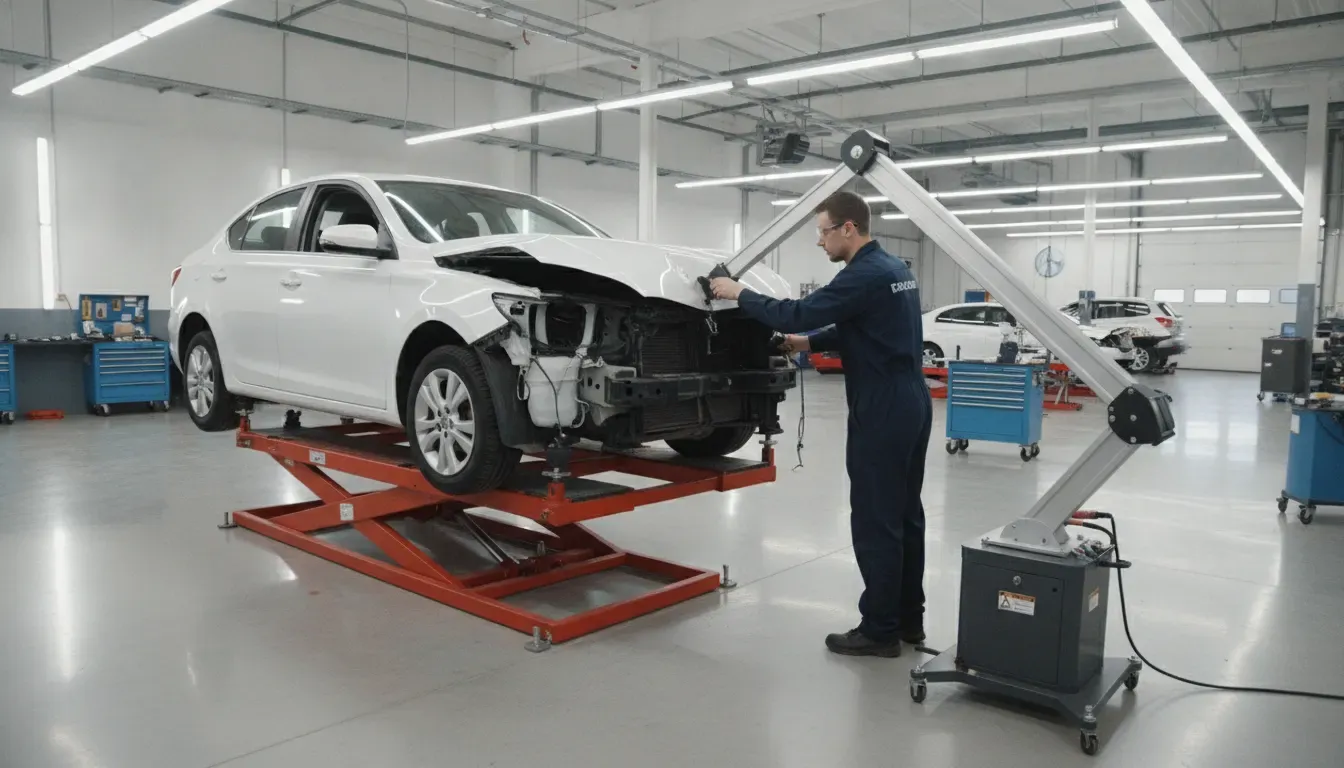
Collision Center Orlando describes its structural and frame repair service as using computerized measuring and OEM tolerances. For a specific vehicle, the repair team can explain which areas are being evaluated, what the measurements mean, and how the findings affect the proposed repair plan.
Why manufacturer information matters
Unibody sections are not interchangeable simply because they look similar. Materials, joining methods, sectioning locations, replacement parts, corrosion protection, and measurement points can vary by vehicle. Collision Center Orlando’s guide to manufacturer repair procedures explains why model-specific instructions matter for structural and safety-related work.
A repair plan should identify the vehicle and the affected area rather than treating every unibody car as if it were built the same way. If additional damage becomes visible during access or disassembly, the estimate may need to be updated with documentation. The insurance supplement guide explains that distinction without turning an educational article into a prediction about a particular claim.
Does unibody construction affect alignment and safety systems?
It can. A collision that changes a unibody vehicle’s structure may also affect wheel alignment, suspension mounting points, or the position of cameras and sensors near repaired areas. The need for alignment checks, diagnostic scans, or calibration depends on the vehicle, the impact, and the work performed. A professional repair plan should identify the checks that apply.
Structure and vehicle systems are connected. A shift near a suspension mounting area can raise an alignment question. Work near a bumper, windshield, grille, or other sensor location can raise a driver-assistance system question. These possibilities do not prove that a system is damaged, but they are reasons to include the right checks in the repair discussion.
Collision Center Orlando lists wheel alignment services and ADAS calibration services as separate capabilities. Whether either service belongs in a particular repair plan depends on the vehicle and the collision findings. Drivers should ask which checks apply instead of assuming that a warning light or a straight-looking panel tells the full story.
What should Orlando drivers ask about a unibody repair?
Orlando drivers can ask which part of the unibody was affected, how the finding was established, which vehicle-specific procedures apply, and how the completed work will be verified. These questions do not require the driver to diagnose the car. They create a clearer discussion about the evidence, proposed operations, measurements, and safety-system checks connected to the repair.
- Which structural area is involved? Ask whether the concern relates to an outer panel, rail, pillar, rocker, floor section, mounting point, or another area.
- How was the concern identified? Ask whether the information came from a visual review, access to hidden damage, measurements, diagnostic scans, or another documented finding.
- Which procedures apply to this exact vehicle? Ask how the year, make, model, and affected material influence the repair or replacement plan.
- What checks are planned before and after repair? Ask whether structural measurement, alignment, scanning, calibration, or a final quality review belongs in the scope.
- How will estimate changes be explained? If more damage appears after access or disassembly, ask for the finding and proposed operation to be documented before authorizing added work.
You can also compare a shop’s explanation with its service information. Collision Center Orlando’s collision repair overview describes structural, body, paint, scanning, and related repair support. Its final inspection guide explains why a repair review should address more than the vehicle’s appearance.
What should you do after a collision involving a unibody car?
After a collision, document the visible damage, avoid trying to diagnose the unibody yourself, and arrange a professional evaluation when the impact raises structural or safety questions. Share where the vehicle was struck, what changed afterward, and any estimates or scan information you have. The repair decision should follow the vehicle’s documented condition, not a generic online checklist.
If the vehicle is difficult to control, has a loose or damaged component, or appears unsafe to move, do not continue driving it just to test a theory. Discuss transport and inspection options with an appropriate professional. An online definition can explain construction, but it cannot determine the condition of a particular car.
Bring the vehicle’s year, make, model, and any available collision details to the estimate discussion. Note whether the impact was front, rear, side, or underneath. Photos can document what you saw, while measurements and a professional inspection address questions that photos cannot answer.
Collision Center Orlando serves Orlando and Central Florida with collision repair, structural and frame repair, manufacturer-specific procedures, and insurance claim assistance. The team can review the repair questions raised by a collision and explain the next step without promising a price, repair time, or outcome before the vehicle is evaluated.