


One sharp impact can turn a clean car fender into a crumpled mess. Whether you need a simple dent removal or a new factory part depends on the depth of the damage, the panel material, and what an inspection reveals.
Request a professional fender repair estimate from Collision Center Orlando.
Fender repair Orlando decisions depend on the extent of the impact and the material of the damaged panel. Technicians assess whether a fender can be safely straightened or if its strength requires a full replacement with factory parts. Many modern fenders include complex sensors and mounting brackets that may suffer hidden damage during a crash. Certified experts at Collision Center Orlando evaluate each case individually to ensure the work follows strict manufacturer safety rules. While minor dents often allow for simple reshaping, deep creases or torn metal usually mean a new part is safer for your car. This thorough process protects your vehicle’s resale value and factory warranty while keeping you safe on the road.
Determining the best path for your vehicle starts with a professional look at the metal and paint. Fender repair Orlando: what the first inspection reveals is the key to understanding how a technician spots hidden cracks or bent frames. The path begins with
Fender repair Orlando: what the first inspection reveals
The first step in any professional fender repair Orlando begins with a full check. A trained expert looks beyond the visible surface to see if the part can be saved. This check happens on a case-by-case basis to decide if the panel can be fixed safely or if it needs a full replacement. Choosing the right path is key to keeping the safety and resale value of your car.
Surface damage vs. structural issues
Small dents or paint scuffs often fall into the group of cosmetic repairs. These fix surface-level issues that do not change how the panel holds up in a crash. For light damage, a pro might use paintless dent repair to push the metal back into its old shape. This method keeps the factory paint intact and helps you get back on the road faster.
But more severe damage like deep tears or holes often needs a new part. High-quality auto body repairs must meet strict quality and safety rules set by the car maker. If a structural panel cannot be safely fixed, it must be replaced to protect you in a future crash according to federal safety guidelines.
Finding hidden problems
A fender is more than just a piece of metal or plastic. Modern cars often have mounting parts and safety sensors tucked behind the panel. A visual check might miss these broken parts. A pro check finds these hidden issues to make sure your car tech works well after the repair. This is a key part of the fender repair estimate process.
Fixing these parts needs exact measurements and the right tools. Pros use car-maker-approved steps to make sure the fix is strong. Following these steps ensures your car stays within its factory warranty while keeping you safe on the road.
When can a damaged fender be repaired?
Deciding between a fix and a full swap is a key part of any auto body repairs plan. Pros look at each case to see if they can safely restore the part. Many things like the metal type, hit spot, and dent depth play a role. A small ding may be easy to fix, but a deep crease or a hole often means you need a new part to keep your car safe.
Surface damage and minor dents
Dents that do not stretch the metal or crack the paint are often good for a fix. Shops may use repair vs replacement paths like paintless dent repair (PDR). This choice is great for door dings or hail marks where the factory finish stays. If the damage is just on the surface, a pro can pull or tap the metal back to its true shape without a new panel.
Hidden damage and safety checks
Deeper hits can hide issues you cannot see from the outside. Modern fenders often hold sensors and brackets for safety systems. A hard hit can bend the frame under the skin or break the mounts for the lights. Shops with the right training look for these “hidden” flaws before they start a job. If the mounts are torn or the frame is bent, a new part is the only way to meet manufacturer quality standards and keep you safe.
| Criteria | Repair Option | Replacement Option |
|---|---|---|
| Damage Depth | Shallow dents or dings. | Deep creases or torn metal. |
| Paint Status | Factory paint is not cracked. | Paint is scraped or missing. |
| Hidden Parts | Mounts and sensors are okay. | Brackets or frame are bent. |
| Cost Choice | Often costs less for labor. | May be cheaper than long hours. |
Material and cost factors
The material of the fender also changes the choice. Steel can often be pulled back, but some thin alloys or plastics might crack if bent too far. ISO rules help shops find the right polymer types to see if a plastic repair will hold up. Also, if a fix takes more hours of work than a new part costs, a pro may suggest a swap. Your shop acts as an advocate to help you get a fair fender repair estimate that covers what your car needs.
Why hidden damage can change the decision
A fender dent might look small from the street. But what you see on the outside is only part of the story. Modern cars have many layers of parts that work together to keep you safe. When a car hits something, the force moves through the metal and plastic. This force can bend parts that you cannot see without taking the car apart. At Collision Center Orlando, we look deep into the vehicle to find these issues. A good fender repair estimate must look at more than just the paint and metal. We check every layer to see what else was hurt in the crash.
What lies beneath the surface
The fender sits over many vital parts. Behind the thin outer skin, you will find mounting brackets and inner liners. These parts hold the fender in place. They also keep road dirt and water out of the engine bay. If a bracket is bent, a new fender will not fit right. When a panel does not sit correctly, it is often a sign that the underlying body panel alignment is compromised. This affects how the car looks and how safe it is. Many new cars also have sensors for blind-spot help or park assist near the fenders. Even a light tap can knock these sensors out of place. If they are not fixed, your safety tools might fail when you need them. Expert shops are trained to find these hidden issues before they cause more trouble.
Damage can also reach the wheels and suspension. The fender is close to the parts that help you steer and stop. A hard hit can bend a control arm or hurt a strut. This can make the car pull to one side or wear out tires fast. It can also make the car hard to control on the road. The National Highway Traffic Safety Administration says that car repairs must meet high quality rules to stay safe. If a shop misses these hidden parts, your damaged vehicle safety is at risk. We want to make sure your car drives like new again.
This is why a shop must take the car apart to see the full scope. Taking off the fender and lights lets us see the frame and mounting points. We might find that a part we thought we could fix is too far gone. Some parts like the frame or inner panels must be replaced if they are too weak. These auto body repairs take time and skill. The first plan might change after we see what is hiding behind the damage. Our goal for every fender repair Orlando drivers need is a safe and solid fix. We make sure all hidden damage is found and fixed the right way.
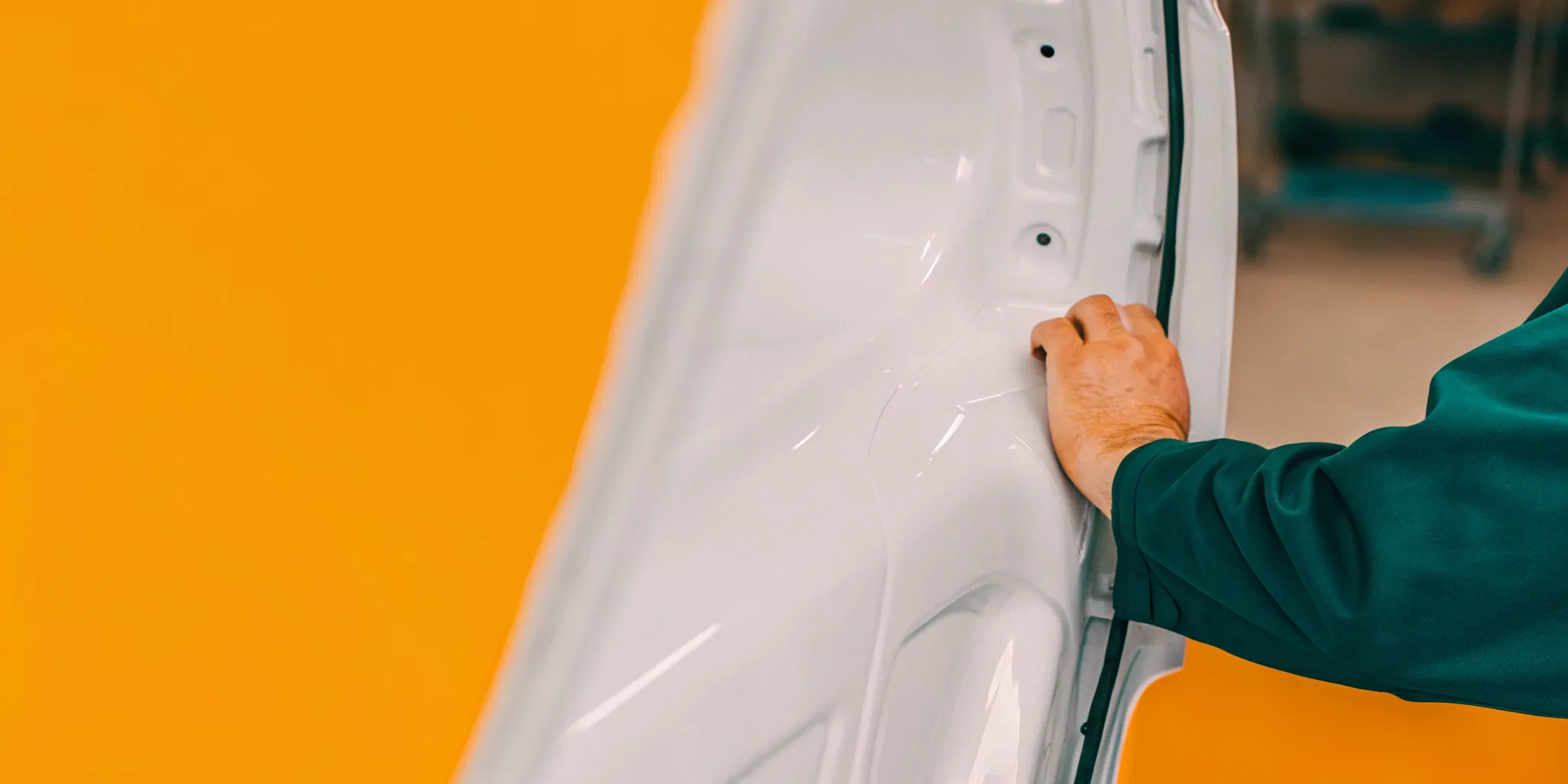
How paint and refinishing needs affect fender work
Fender repair Orlando drivers need often goes beyond simple bodywork. The paint on your car is a shield and a key part of its look. When a fender is hit, the paint damage can be as serious as the dent itself. Painting is a multi-step task that needs skill to get right. It ensures that the new work blends in and stays safe for years to come.
The art of paint matching
Getting a perfect match for your car’s paint is hard. Modern cars use complex paint codes and many layers. Workers must match the color and gloss of the factory finish. To do this, they often blend the new paint into the door or hood. This helps the eye miss the shift between areas. Professional auto painting in Orlando uses specialized tools and careful refinishing processes to find the right mix. This keeps your car’s value high and avoids a patchwork look.
Quality shops follow strict maker quality rules to make sure the paint lasts. Using the right parts is key to keeping your car safe. If a shop cuts corners, the paint might peel or fade in the sun. Heat and damp air affect how paint dries and bonds. This is why a clean and cool space is needed for all paint work.
Surface prep and rust protection
Before any paint goes on, the surface must be ready. This work involves sanding the area and using primer. For metal fenders, this step is vital for rust protection. If the bare metal is left open to the air, it will rust. Good primers seal the metal and create a bond for the top coat. Pros also look for hidden damage, like cracks in the frame. This ensures the fix is deep and not just on the surface.
New panels are often held with approved glues or bolts to ensure they stay in place. These parts must work well with the paint process. When a fender is replaced, the shop treats the back of the panel to stop rust from the inside. This level of care is what makes a pro job. It keeps your car strong after a crash.
Why finish damage changes the repair plan
The state of your paint helps set the fender repair quote you get. If the paint is not cracked, a pro might use dent repair without paint. This keeps the factory finish and saves time. But if the paint is scratched, a full repaint is needed. This adds steps like body filler and sanding to the plan. Knowing this helps you see why costs can change based on the paint.
Big issues like tears in the panel need more than just surface work. Pros use two-sided repairs for deep cracks to restore strength. The type of part, like plastic or metal, also changes which tools the shop uses. Modern cars use many types of plastic that need special heat to fix. Good training ensures these repairs last and look like new.
Why manufacturer procedures matter
Modern cars are much more than just metal and glass. They are complex machines with parts that must work together in a set way. When a car is in a crash, the repair must do more than just make the car look good again. It must restore the safety that the car maker built into the frame. Following the right steps for each model is the only way to ensure the car will protect you in a future wreck. At Collision Center Orlando, we use these factory steps to keep your car safe and strong.
Factory steps for a safe build
Every car maker sets clear rules for how to fix their vehicles. These rules are called manufacturer procedures. They cover everything from the type of steel used to how to weld a new part in place. Using these steps ensures that the car meets its first quality and safety standards. If a shop skips these steps, the car might not hold up well in another crash. This is why we focus on precise work for every fender repair Orlando drivers need.
Following factory steps also helps to protect your warranty. Many makers will not cover a car if the repairs do not follow their rules. By using the right methods, we help you keep your car’s value high and its warranty intact. We use the same tools and parts that the factory used to build the car. This means your car will look and drive just like it did before the crash. Choosing OEM vs aftermarket parts is a big part of this work.
Precision tools and hidden tech
Fenders do more than just cover the wheels. In many modern cars, the fender hides sensors and wires for safety systems. These tools help with lane changes and braking. If a fender is not put on just right, these sensors might fail. A certified shop knows how to find these hidden issues like mounting brackets and sensor mounts. We make sure every part is set to the exact spot the maker meant.
We also use special tools for every job. For example, some panels are held on with high-strength glue or specific clips rather than bolts. Using the wrong glue can lead to a part falling off or failing when you need it most. Our team is trained to know which polymers and glues are needed for your specific car. This level of detail ensures that your fender is not just a patch, but a true part of the car’s build.
Material-specific repair paths
The materials used in cars have changed a lot over the years. Today, cars use a mix of steel, aluminum, and plastics to stay light and strong. Each of these materials reacts in other ways to heat and pressure. For instance, fixing a plastic fender is not like fixing a steel one. Our team must find the exact type of material before they start any work. This helps them choose the best tools and heat levels to use.
Using the wrong heat can make a part brittle or weak. By following the car maker’s guide, we know exactly how to handle each material. This prevents further damage and ensures a long-lasting fix. Whether it is a small dent or a large tear, we use the best path for your car’s specific build. Our goal is to give you a repair that is as strong as the day your car left the factory floor.
How a collision shop decides between repair and replacement
When you bring your car in for a fender repair estimate, our team looks at more than just the surface. We must decide if we can fix the part or if it needs a full swap. This choice is vital for your safety and the car’s value. We use factory rules to guide every step of this process.
The visual and structural check
A pro shop starts by looking for hidden issues. While a dent might look small, it can hide damage to mounting brackets or sensors underneath. We check if the part can still protect you in a future crash. If the metal or plastic is torn or stretched too far, we often must replace it to keep the car’s frame strong.
Modern cars use many types of materials that react to heat and stress in different ways. For example, technicians must find the type of polymer used to pick the right fix. If a part has lost its shape or strength, a new panel is the best way to meet manufacturer quality and safety standards. This ensures the car looks right and stays safe on the road.
Steps to reach a repair choice
- Initial visual check: A tech looks at the fender to see how deep the dents or tears go.
- Teardown and hidden check: We remove the panel to find broken clips or wires that you cannot see from the outside.
- Review factory rules: We look at the maker’s guide to see if they allow a fix for that specific damage.
- Talk to the insurer: We share our findings and photos with the insurance company to confirm the plan.
- Final authorization: Once we have a clear path, we get your okay to start the work.
Cost and time factors
We also look at the labor time. Sometimes, it takes more hours to smooth and pull metal than it does to buy and paint a new part. If a fix costs more than 70 to 80 percent of a new panel, most shops suggest a swap. We help you choose between OEM vs aftermarket parts to fit your needs and budget.
Your safety is our top goal. A fixed part must be just as strong as a new one. If we cannot reach that goal through a fix, we will always suggest a new fender. This keeps your car safe and helps it hold its value over time.
What should you expect from a fender repair estimate?
Getting a fender repair estimate is the first step to fixing your car. Our fender repair Orlando team looks at the damage to see how to help you. They want to know if the panel can be fixed or if it needs to be replaced. This choice depends on the safety and strength of the part.
Prepare for your shop visit
You can help the process by bringing the right info. Have your car’s VIN and your insurance facts ready. It also helps to take photos of the area from a few angles. Good photos show the dent and any paint chips. This data helps the shop start your file and talk to your insurer.
When you come in for your fender repair estimate, the team will walk around the car. They look for signs of stress on other parts. They also check how the car moves and if anything feels loose. A shop may ask how the crash happened to know where to look for more damage.
Why in-person checks matter
An online photo is a great start, but it does not show everything. Fender damage often hides deep issues. Experts look for bent brackets or broken clips behind the panel. Modern cars also have sensors in or near the fender. These tools help with safety systems like blind-spot alerts.
If a sensor is bumped, it may need to be reset. These parts must meet federal safety standards to work well. A shop needs to see the car in person to find these hidden parts. They use tools to check for cracks in the frame that you cannot see from the outside. These checks make sure your car is safe to drive.
Ask the right questions
A good shop will be clear about the work. Ask if they use maker-approved steps. These steps make sure the car stays safe and keeps its value. You should also ask about the parts they will use. Using best parts is better than using the cheapest ones found by an insurer. Good parts fit better and last longer than cheap ones.
Your shop should act as your voice when talking to insurance. They help make sure the insurer pays for the right fix, not just the fast one. This helps you avoid costs that may come up later. At Collision Center Orlando, we focus on your safety. Call us at (321) 972-1549 to set up your check. We are here to help you get back on the road and feel safe in your car again.
Frequently Asked Questions
How much does fender repair cost in Orlando?
The cost of fixing a fender depends on how much damage occurred. Small dents may be cheap to fix, while deep tears or structural issues can cost more. Since every crash is different, a shop must see the car to give a fair price. Based on Collision Center Orlando, you should get a personal price quote for the unique damage to your vehicle.
Does my auto insurance cover fender damage?
Most collision or full-coverage plans will pay for fender work after a crash. You should talk to your insurance agent to check your plan and your share of the cost. Professional shops can help you make sure the insurance company pays for all needed work. This helps you keep your car safe and holds its value by using the right parts and methods.
Can paintless dent repair be used for fender damage?
Yes, paintless dent repair (PDR) is often a great choice for small dings that did not crack the paint. This method lets a shop worker push the metal back into its original shape without needing new paint. A shop will look at the size and spot of the dent to see if PDR is safe. This can save time and money while keeping the factory finish.
What is the difference between fender repair and bumper repair?
Fenders are the metal or plastic parts that frame the wheels of your car. Bumpers are made to soak up the force of a crash to keep you safe. Fenders are structural parts, while bumpers sit on the front and back of the car. Based on the NHTSA, structural parts may need a new panel if they cannot be safely fixed.
Get a collision repair inspection before hidden fender damage causes additional problems.
Ready to fix your fender and get back on the road?
Waiting to fix your auto body damage can lead to big problems like rust and lost value. A small dent lets moisture in and can turn a simple fix into a costly job if you do not act fast. Driving with a bent fender can be unsafe since the hit may have hurt your car’s safety sensors. Do not risk your safety or lose money when you sell your car by waiting too long. Getting a fender repair estimate today is the best way to keep your car in top shape. The sooner you start, the sooner our team can order parts and get your repair on the schedule.
Ready to get back on the road? Call (321) 972-1549 to request an estimate.