

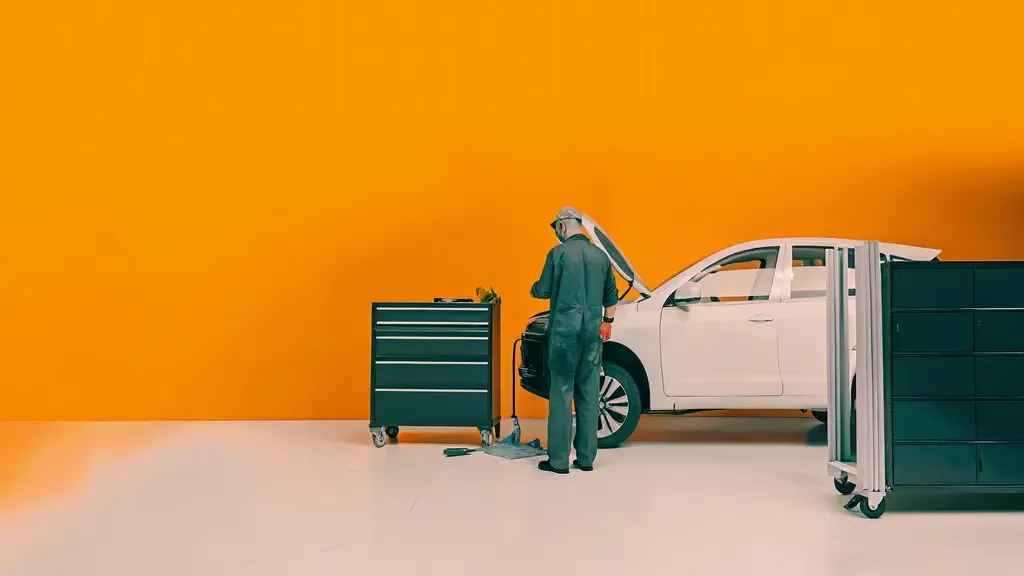
When your vehicle sustains collision damage in Orlando, the repair shop you choose determines more than the final appearance. It determines whether your car returns to the structural, safety, and mechanical standards your manufacturer built into it. OE-certified collision repair is the designation that separates shops meeting those standards from shops that do not.
Ready to have your vehicle repaired by an OE-certified shop? Request an estimate from Collision Center Orlando — a certified collision repair center serving the Greater Orlando area.
What Does OE-Certified Collision Repair Mean?
OE stands for Original Equipment. An OE-certified collision repair center has completed a manufacturer’s formal certification program, which verifies that the shop uses the same repair procedures, tooling, and parts specifications the vehicle manufacturer prescribes for that model. The certification is not self-reported — it is granted and audited by the automaker or a designated third-party inspection body.
Certification requirements vary by manufacturer but typically include:
- Technician training on that brand’s specific repair sequences and safety-critical procedures
- Investment in approved diagnostic equipment, frame measuring systems, and welding technology
- Facility inspections to verify equipment calibration and shop processes meet manufacturer standards
- Access to the manufacturer’s proprietary repair information database
- Annual or ongoing recertification to maintain the credential
A shop that holds OE certification for Kia, for example, has demonstrated to Kia that it can repair a Kia the way Kia intended it to be repaired — not approximately, not close enough, but to specification.
Why Manufacturer Repair Procedures Matter After a Collision
Modern vehicles are engineered with deliberate crumple zones, high-strength steel sections, and load-transfer paths designed to absorb crash energy and protect occupants in a second collision. When those structural elements are repaired using generic procedures instead of manufacturer-specified ones, the vehicle’s behavior in a future impact can differ significantly from its original design.
Here is why using OE procedures matters for your specific vehicle:
- Ultra-high-strength steel (UHSS) used in modern vehicle pillars and rocker panels cannot be heated and reformed the same way conventional steel can. OE procedures specify which sections must be replaced rather than reshaped.
- ADAS systems — adaptive cruise control, lane-departure warning, automatic emergency braking — depend on sensors precisely positioned within manufacturer tolerances. After a collision, these systems require diagnostic scanning and recalibration using OEM-aligned procedures.
- Structural adhesives and rivet bonding are used in place of traditional welds in many modern body panels. Improper repair techniques compromise the bond integrity and void the intended energy management.
- Warranty coverage for safety-related components can be affected when repairs deviate from manufacturer procedures. OE-certified repairs protect that coverage.
A shop without the correct certification, tooling, or procedure access may produce repairs that look correct on the surface while leaving structural issues unresolved.
Concerned about structural integrity after a collision? Learn about the collision repair process at Collision Center Orlando and what a certified evaluation includes.
Which OE Certifications Does Collision Center Orlando Hold?
Collision Center Orlando holds OE certification from three manufacturers: Kia, Genesis, and Nissan. Each certification represents a distinct program with its own requirements and means that Collision Center Orlando has met those manufacturers’ standards for repairing their vehicles.
Kia Certified Collision Repair Center
The Kia certification program requires annual third-party facility inspections conducted by the Collision Performance Network. Kia-certified shops have access to Kia’s technical information and repair procedure database and are included in Kia’s certified shop locator for customers referred through dealership networks.
Genesis Certified Collision Center
Genesis is Hyundai Motor Group’s luxury vehicle brand, and its certification program sets elevated standards consistent with the premium segment. Genesis-certified shops gain visibility through the Genesis retailer referral network, which connects luxury vehicle owners with shops that have demonstrated the capability to properly repair their vehicles.
Nissan Certified Collision Repair Network
Nissan’s certification also covers Infiniti models under the same program structure. Nissan-certified shops can offer lifetime warranty eligibility on certified repairs, which reflects manufacturer-backed confidence in the repair quality.
Technicians at Collision Center Orlando maintain I-CAR Gold Class training as part of the foundational requirements embedded in OE certification programs. I-CAR Gold Class is achieved by approximately 20% of industry technicians and requires ongoing annual training to remain current with evolving vehicle systems.
What to Expect During an OE-Certified Repair
Understanding the certified repair process helps vehicle owners make informed decisions and set accurate expectations. At Collision Center Orlando, the process follows a structured sequence built around manufacturer procedures:
- Initial evaluation and diagnostic scanning — A pre-repair scan identifies any fault codes stored in the vehicle’s modules before structural work begins. This establishes a baseline and identifies any hidden electronic or ADAS issues from the collision impact.
- Damage documentation and estimate — A detailed written estimate documents all visible and structural damage using manufacturer repair information. Supplement processing handles hidden damage discovered during disassembly.
- Insurance coordination — Collision Center Orlando works directly with insurance carriers to coordinate approved repairs and advocates for OE procedures and parts when insurers propose alternatives.
- Certified structural repair — Frame straightening, panel replacement, UHSS sectioning, and structural bonding follow the manufacturer’s prescribed procedures using OE-specified equipment.
- Paint and refinishing — A state-of-the-art paint booth and OE-trained refinishing technicians produce factory-matched color and finish on repaired panels.
- Post-repair scanning and calibration — After structural and cosmetic repairs are complete, ADAS components and electronic modules receive post-repair scanning and calibration to verify proper function.
- Quality verification and delivery — A multi-point inspection confirms repair quality before the vehicle is prepared, detailed, and returned to the owner.
Wondering what the repair timeline looks like for your vehicle? See how Collision Center Orlando handles the insurance claim repair process from estimate through delivery.
How to Compare Collision Shops Before Choosing One
Not all shops advertising certified repairs hold active, manufacturer-issued credentials. Use this checklist when evaluating collision repair facilities in Orlando:
- Ask which manufacturer certifications the shop holds and verify them. Most manufacturers publish a shop locator on their brand website. A Kia-certified shop should appear in Kia’s locator; a shop that claims certification but does not appear may not hold a current credential.
- Confirm pre- and post-repair scanning is included. ADAS calibration is not optional on modern vehicles. Shops that omit scanning are leaving safety systems in an unverified state after the repair.
- Ask whether the estimate references manufacturer repair information. Shops with OEM database access write estimates based on the manufacturer’s documented procedure — not on shop-floor conventions.
- Find out how the shop handles supplement negotiations with your insurer. OE-certified shops regularly work through supplement processes to ensure approved repairs use correct procedures and parts. A shop that accepts the first insurer estimate without review may be compromising the repair quality to avoid conflict.
- Ask about the warranty on repairs. Manufacturer-backed programs like Nissan’s certified network offer lifetime warranties on certified repairs. Understand what is covered and for how long.
- Verify the shop uses OE or OE-equivalent parts where required. For structural and safety-critical components, generic aftermarket parts may not meet the same dimensional or material specifications as OE parts.
Does OE Certification Cover All Makes and Models?
A shop certified by Kia, Genesis, and Nissan has demonstrated the procedural knowledge, equipment, and training standards specific to those brands. That foundation — certified technicians, OE-procedure access, and compliant equipment — also positions the shop to apply the same disciplined approach to vehicles from other manufacturers, even when a formal brand-specific certification is not held.
Collision Center Orlando serves all makes and models across the Greater Orlando area. For vehicles under a held certification (Kia, Genesis, Nissan), manufacturer-certified procedures apply directly. For other vehicles, the shop applies the same standard of repair rigor using the available technical information for that brand.
If you drive a specific vehicle brand and want to confirm the shop’s approach for your make and model, call Collision Center Orlando at (321) 972-1549 before bringing the vehicle in.
OE-Certified Repair and Your Vehicle’s Resale Value
Accident history is one of the most scrutinized elements in a vehicle appraisal. A properly documented OE-certified repair — one that restored structural integrity, used compliant parts, and followed manufacturer procedures — stands up to scrutiny in a way that a general repair estimate does not.
When OE-certified repairs are documented through insurance records, the repair facility’s certified status, and any manufacturer-backed warranty, buyers and appraisers have evidence that the vehicle was returned to pre-accident condition using the manufacturer’s own standards. That documentation supports resale value in a way that repairs from non-certified shops typically cannot match.
The inverse is also true. Hidden structural compromises, non-OE part substitutions, and uncalibrated ADAS systems can surface during pre-purchase inspections and materially reduce a vehicle’s appraised value — or create liability for the seller who was unaware the repairs were substandard.
Understanding frame damage after a collision and how proper certified repair addresses structural compromise is worth reading before making decisions about where to have your vehicle repaired.
Frequently Asked Questions About OE-Certified Collision Repair
What is the difference between OE-certified and OEM-certified?
The terms are often used interchangeably. OE (Original Equipment) refers to components, procedures, and specifications that originate from the vehicle manufacturer. OEM stands for Original Equipment Manufacturer. A shop described as OE-certified or OEM-certified has received formal approval from the manufacturer to perform repairs to that brand’s specified standards.
Do I have to go to an OE-certified shop if my insurer suggests a different facility?
In Florida, vehicle owners have the right to choose their own repair facility regardless of which shop an insurer recommends. An insurer may direct you to a preferred network shop for cost reasons, but you are not required to follow that direction. If your vehicle falls under a specific manufacturer’s certification program, choosing a certified shop gives you assurance that the repair will meet the manufacturer’s standards for that model.
Is OE-certified repair more expensive?
OE-certified repairs may cost more than generic alternatives because they require compliant parts, manufacturer-approved procedures, and specialized equipment — all of which carry real costs. However, the comparison should account for what non-certified repairs may leave unresolved: uncalibrated safety systems, improper structural sectioning, or parts that do not meet dimensional specifications. The out-of-pocket difference, if any, is typically addressed through the supplement process with the insurer rather than passed directly to the vehicle owner.
How do I know if my vehicle needs OE-certified repair after a collision?
Any collision that involves structural damage, deployed airbags, damaged ADAS sensors, or frame impact warrants evaluation by an OE-certified shop. Even collisions that appear minor can involve damage to structural adhesives, sensor mounting brackets, or crumple zone sections that are not visible from the exterior. A diagnostic scan and structural evaluation by a certified technician is the only way to confirm the full extent of the damage and confirm that the repair plan follows manufacturer procedures.
What should I do immediately after a collision in Orlando?
After ensuring safety and completing any required police or insurance reporting, contact a certified collision repair facility before authorizing any repairs. Collision Center Orlando provides estimates and can coordinate towing if the vehicle is not driveable. What to do after a car accident in Orlando walks through the full post-collision checklist in detail.
Ready to have your vehicle evaluated by an OE-certified collision repair team? Contact Collision Center Orlando at (321) 972-1549 or request an estimate online. We serve Orlando and the surrounding Central Florida area, Monday through Friday, 8:00 AM to 5:30 PM.