

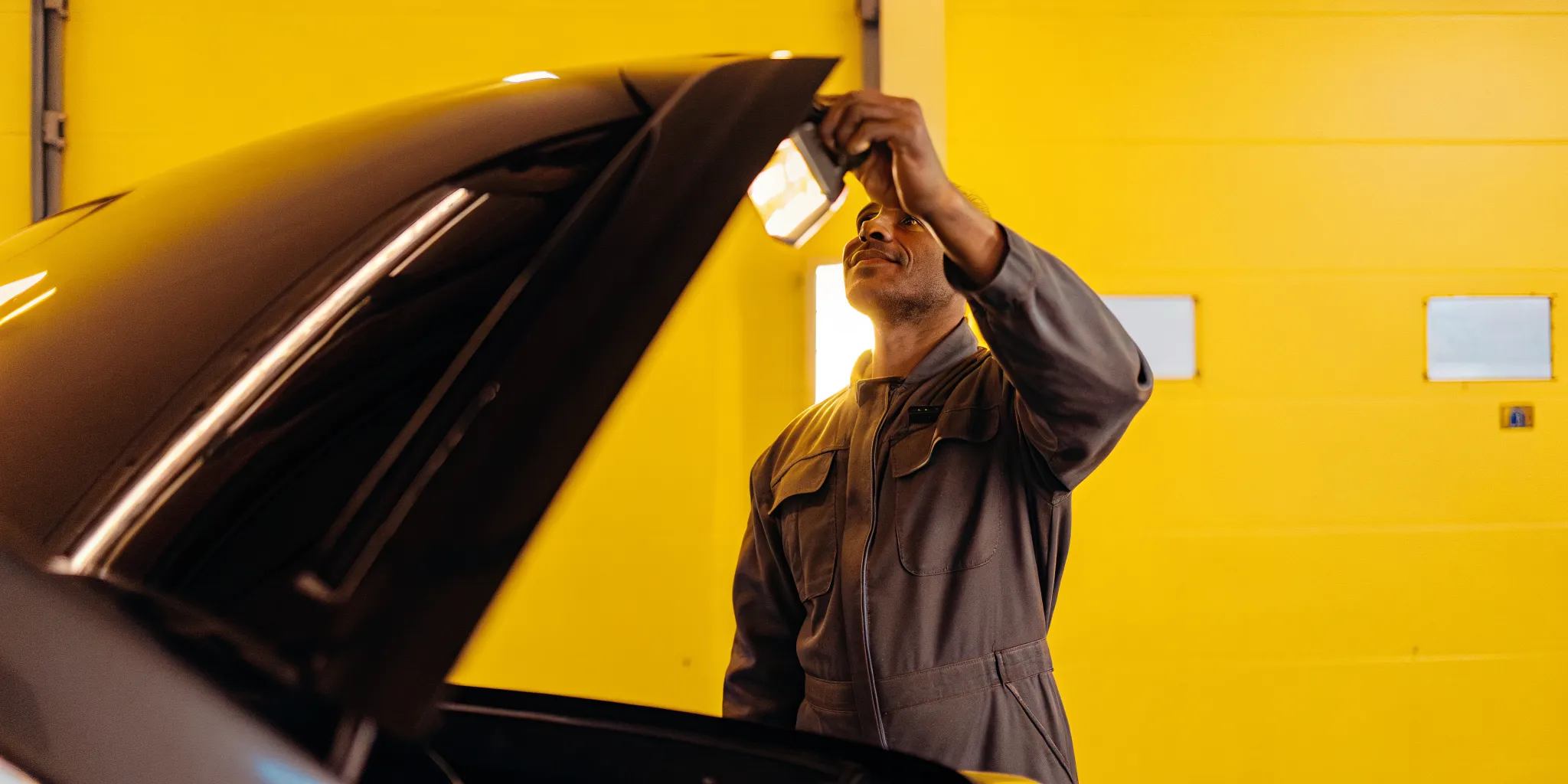
How to Choose an OE-Certified Collision Repair Shop in Orlando
After a collision, most drivers focus on one question: how fast can I get my car back? But the shop you choose matters as much as the timeline. An OE-certified collision repair shop in Orlando uses manufacturer-specific procedures, trained technicians, and approved parts — protecting your car’s safety, resale value, and structural integrity. A shop without those certifications may cut corners you won’t notice until the next accident.
This guide explains what OE certification actually means, the questions to ask before handing over your keys, and how to evaluate shops so you can make a confident decision.
What Does OE Certification Mean for a Collision Repair Shop?
OE stands for Original Equipment. An OE-certified repair facility has been vetted and approved by a vehicle manufacturer — brands like Kia, Genesis, or Nissan — to perform repairs using that manufacturer’s exact procedures, tooling, and parts standards.
Certification is not automatic. Shops must meet specific requirements set by each manufacturer, including:
- Technician training: Technicians must complete manufacturer-approved training programs and, in many cases, hold I-CAR Gold Class status — a credential held by fewer than 20% of collision repair technicians in the industry.
- Specialized equipment: Each certification requires dedicated tools — dedicated aluminum repair stations, ADAS calibration equipment, resistance spot welding, and rivet bonding capability — to handle modern vehicle construction correctly.
- Annual third-party audits: Certified shops are inspected regularly by independent networks (such as Collision Performance Network for Kia) to confirm ongoing compliance.
- Access to technical information: Certified facilities receive direct access to manufacturer repair procedures and technical specifications not publicly available.
In short, OE certification is an independent, manufacturer-backed verification that a shop can repair your specific vehicle the way the factory intended.
Why OE Certification Matters in Orlando
Florida’s roads present specific challenges: heavy traffic, frequent storm damage, and year-round humidity that accelerates corrosion if repairs are not sealed correctly. Choosing an OE-certified collision repair shop in Orlando means your vehicle is repaired to standards designed for its actual construction — not a generic process that may leave structural gaps or trigger future problems.
Modern vehicles are increasingly complex. Ultra-high-strength steel, aluminum body panels, and integrated ADAS systems require manufacturer-specific repair sequences. Improper repairs to these systems can compromise airbag deployment, affect post-collision sensor calibration, and reduce crash protection — even if the vehicle looks perfectly repaired on the surface.
A Checklist: What to Ask Before You Choose a Collision Shop
Use these questions when evaluating any collision repair facility in Orlando:
| Question | What a Good Answer Looks Like |
|---|---|
| Is your shop OE-certified for my vehicle’s make? | They name specific manufacturer certifications (e.g., Kia, Genesis, Nissan) and can show documentation |
| Do your technicians hold I-CAR Gold Class certification? | Yes — and they explain what ongoing training that requires |
| Do you follow manufacturer repair procedures for my vehicle? | They have direct access to OEM technical information and can describe the process |
| Will you use OE-specified parts? | They confirm OE parts usage and explain when alternatives may be discussed with you |
| Do you perform pre- and post-repair ADAS scanning? | Yes — they describe their diagnostic equipment and calibration process |
| Can you work directly with my insurance company? | They have a clear insurance coordination process and will handle estimate submission |
| Will my repairs affect my vehicle’s warranty? | They explain that OE-certified repairs using manufacturer procedures protect your warranty |
How to Evaluate What You’re Told
Certifications should be verifiable. Here is how to confirm what a shop tells you:
Ask to See the Certification Documents
OE certifications are physical documents issued by the manufacturer or their certification network. A legitimate shop will have them on display or readily available. If a shop says they are “certified” but cannot produce documentation, treat that claim with caution.
Check Technician Credentials
I-CAR Gold Class status is maintained annually and can be verified through I-CAR’s public database. Ask for technician credentials by name if you want independent confirmation.
Look at the Facility
OE-certified shops invest significantly in equipment. Expect to see dedicated paint booths, modern alignment equipment, and specialized tooling. A shop that does not maintain proper facilities is unlikely to be holding active OE certifications.
Review the Estimate Process
A thorough shop will perform a complete damage assessment before providing an estimate — not a quick visual scan. Ask how they identify hidden structural or mechanical damage, and whether they conduct a pre-repair diagnostic scan for vehicles with ADAS systems.
OE Certification and Your Insurance Claim
Choosing an OE-certified shop can also protect you during the insurance process. Manufacturer-approved repair procedures and OE parts are well-documented, making it easier to justify repair costs to insurers. Many certified shops handle insurance coordination directly — submitting estimates, communicating with adjusters, and managing the claims process on your behalf.
If an insurer recommends a shop that is not OE-certified for your vehicle, you typically have the right to choose your own repair facility. Your policy likely gives you that flexibility, and an OE-certified shop can help you understand your options.
For more detail on how the claims process works, see our guide to insurance claim car repair in Orlando.
What OE Certification Does Not Mean
One clarification worth making: OE certification does not mean a shop only repairs vehicles from the certified brands. A shop certified for Kia, Genesis, and Nissan repairs all makes and models — the certification simply confirms that for those specific brands, the shop meets manufacturer standards. For other vehicles, the shop applies appropriate repair standards even outside a formal certification program.
Similarly, OE certification is not a guarantee of any specific repair timeline. The time required depends on damage assessment findings, parts availability, and the complexity of repairs needed for your vehicle. Any shop that promises a fixed turnaround without first inspecting the vehicle is overpromising.
Frequently Asked Questions
What is the difference between OE-certified and OEM-certified?
These terms are often used interchangeably. OE (Original Equipment) and OEM (Original Equipment Manufacturer) both refer to the parts and procedures specified by the vehicle’s manufacturer. An OE-certified shop follows manufacturer repair standards using approved procedures and parts.
Does my insurance require me to use a specific shop?
Most policies give you the right to choose your own repair facility. An insurer may have preferred shops, but you are generally not required to use them. If you prefer an OE-certified shop, that is your right to exercise.
Will repairs at a non-certified shop void my manufacturer warranty?
If a non-certified shop uses improper procedures or non-OE parts, it can affect warranty coverage for components damaged by those repairs. Using an OE-certified shop with manufacturer procedures and parts protects your warranty position. Consult your warranty terms or the manufacturer for specifics.
How do I know if a shop is actually certified or just claiming to be?
Ask for the certification document, check for manufacturer logos with associated documentation, and verify technician credentials through I-CAR if needed. Genuine certifications are backed by third-party audits and annual renewals.
Is OE-certified repair more expensive?
OE-certified repairs use manufacturer-specified parts and procedures, which can affect the estimate. However, proper repairs protect your vehicle’s resale value, safety systems, and structural integrity — costs that matter over the life of the vehicle. The best approach is to get a detailed written estimate and understand exactly what is included.
Get an Estimate at an OE-Certified Shop in Orlando
Collision Center Orlando is an OE-certified collision repair facility in Orlando serving Kia, Genesis, Nissan, and all other makes and models. Our certified technicians follow manufacturer repair procedures, use OE-specified parts, and handle the insurance coordination process so you can focus on getting back on the road.
If your vehicle has been in a collision, start with an accurate estimate. Visit our OE-certified collision repair page or our collision repair service page to request a consultation. You can also review how the repair process typically works in our guide to collision repair estimates in Orlando.
The right shop makes a difference. Choose a facility you can verify, not just one that is convenient.