A repaired panel can expose itself instantly when Orlando sunlight hits mismatched metallic paint. Professional auto paint matching Orlando drivers rely on prevents that distracting color break by evaluating the vehicle finish before refinishing begins.
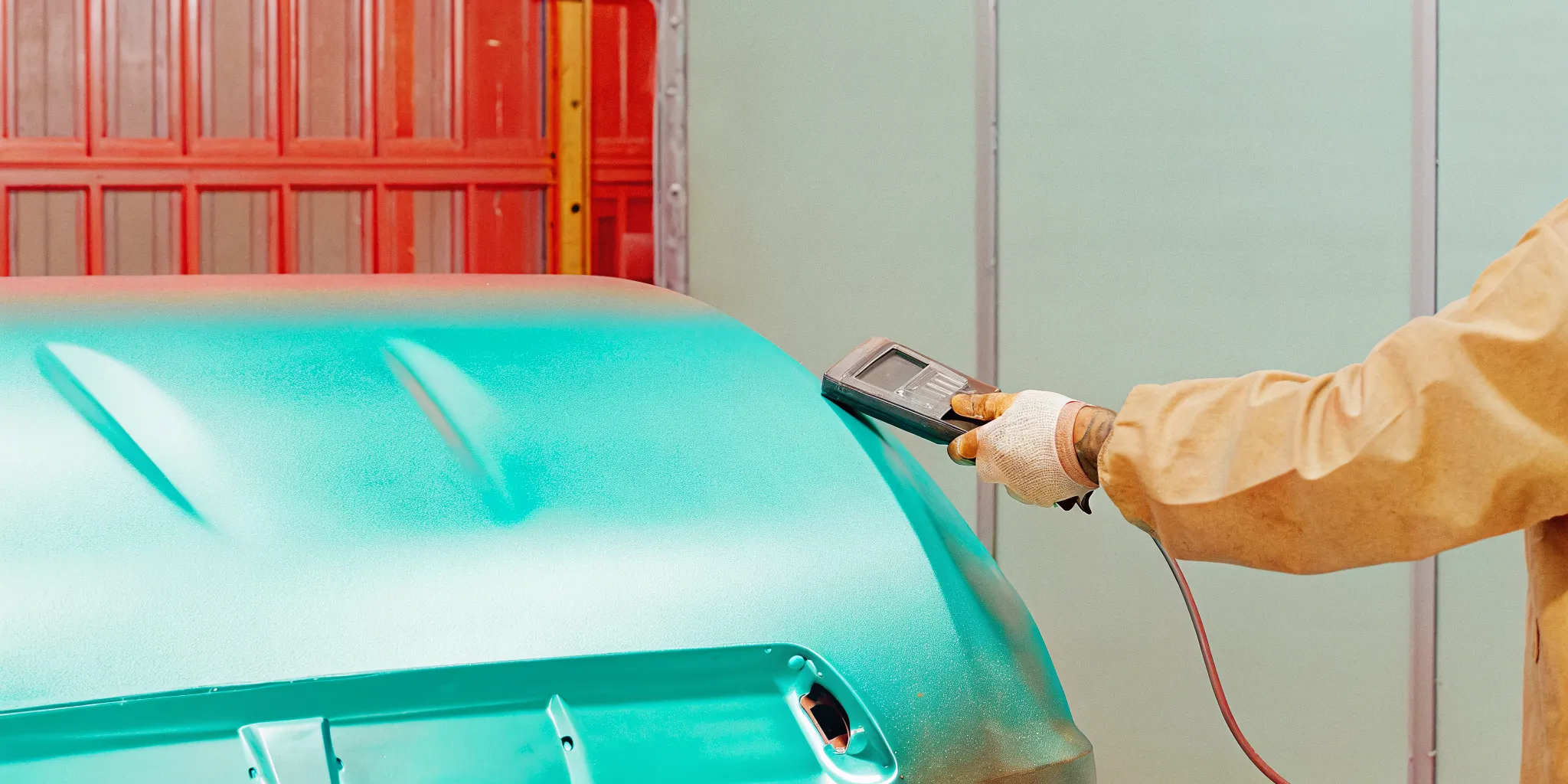
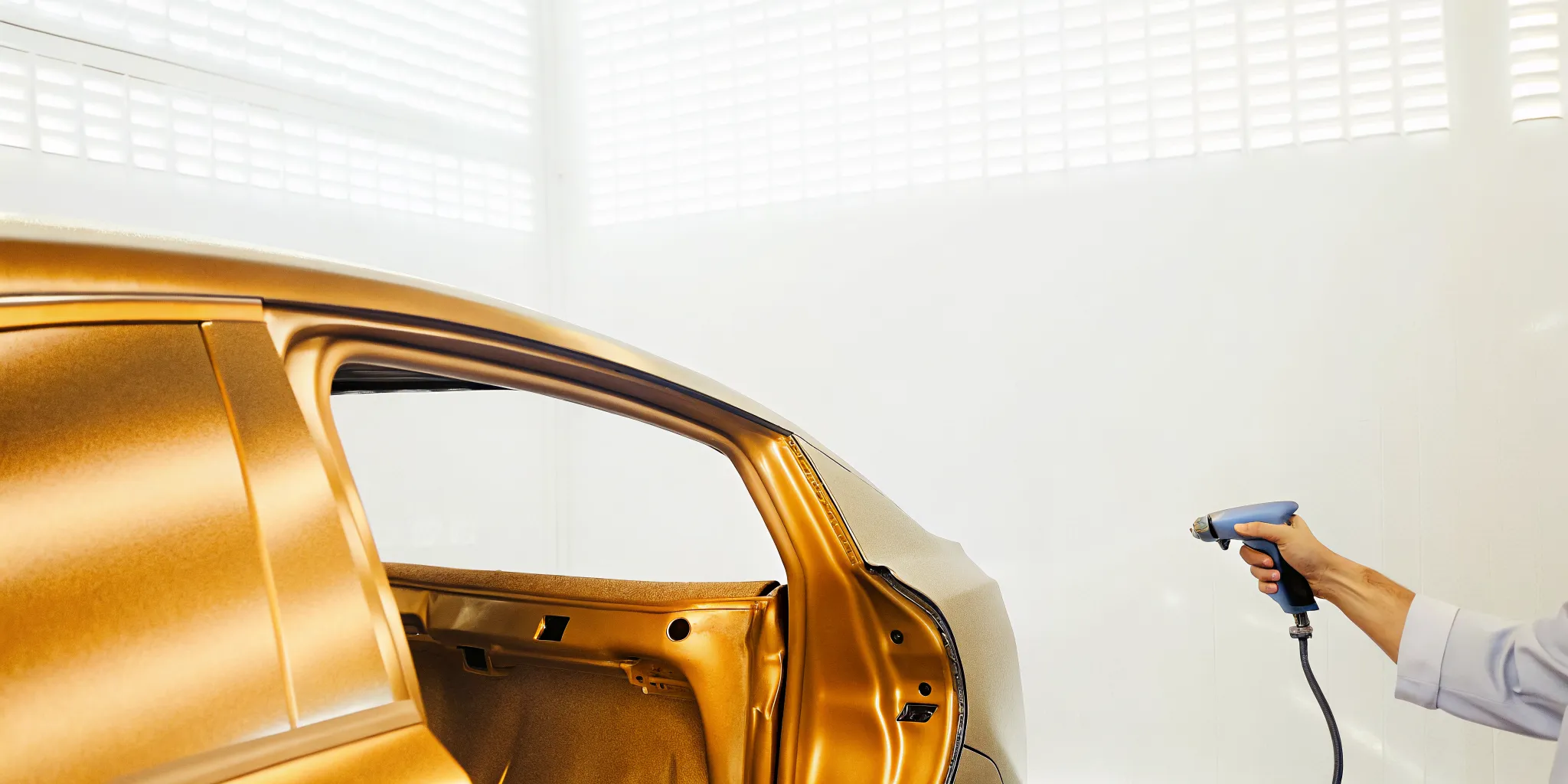
The auto paint matching Orlando process uses factory color information, computerized matching technology, and technician checks to closely reproduce the existing finish after a collision. Modern automotive finishes contain several layers, so technicians must match the color, texture, metallic or pearl effect, gloss, and surrounding panels. They prepare damaged surfaces, apply primer and basecoat, restore the clearcoat, and blend refinished areas where the approved repair plan requires it. Collision Center Orlando uses manufacturer-specific refinishing procedures and a state-of-the-art paint booth to support color integrity, durability, and a uniform appearance. A final inspection checks the repaired finish in context, because a formula is only the starting point for a convincing post-collision match.
The key question is how technicians move from a factory formula to a finish that looks consistent beside the vehicle’s existing paint. The next section, How auto paint matching Orlando repairs begin, explains the inspection, formula selection, surface preparation, and test steps that shape the result. Here is how.
How auto paint matching Orlando repairs begin
A professional match starts before any new paint reaches the vehicle. The technician first studies the damaged area, nearby panels, finish condition, and how the existing color changes in light.
The factory code as a starting point
The factory paint code points the technician toward the maker’s original formula. It does not show how age, sun, past repairs, or normal finish variation changed the color on this vehicle. Research on automotive paint samples also shows that paints can have different internal layer structures.
For that reason, the code provides a useful baseline rather than a ready-to-spray answer. The technician must compare that formula with the finish that is on the vehicle now.
The matching sequence
During auto paint matching Orlando technicians combine visual checks, digital tools, and controlled spray tests. Each step narrows the gap between the stored formula and the vehicle’s current finish.
-
Inspect the vehicle. The technician checks the damaged panel and nearby surfaces for fading, prior paintwork, scratches, and changes in gloss.
-
Find the paint code. The code is checked against the vehicle details and the paint maker’s formula system. Available formula variants can then guide the first mix.
-
Scan the existing finish. A color scanner reads an undamaged, clean area near the repair. This gives the technician another reference for choosing or adjusting the formula.
-
Spray a test card. The first mix is applied to a sample card with the planned spray method. Once dry, the card reveals color, metallic effect, and finish differences.
-
Tint the formula. The technician makes small pigment changes based on the test card. More test sprays may follow until the sample fits the surrounding finish.
-
Apply and verify the repair. The approved formula is sprayed with the planned blend and clear coat process. The finished area is then checked for a smooth visual transition.
Verification under changing light
A color can look close under one lamp yet shift when the viewing angle or light changes. Technicians therefore compare test cards and the repaired area from several angles and under different lighting conditions.
The review covers more than the base color. It also checks flake appearance, gloss, texture, and the transition into nearby panels. Collision Center Orlando’s computerized paint color matching supports this detailed refinishing process.
If a test card shows a visible difference, the formula returns to the tinting step. That check-and-adjust cycle helps the final repair fit the vehicle instead of merely matching a code.
Why the factory paint code is only the starting point
A factory paint code points technicians toward the formula used when a vehicle was built. It does not show how that finish looks today. That difference matters because a good match must fit the paint beside the repair, not just the original formula.
Modern automotive finishes also have several layers with distinct structures. Researchers have used optical imaging to examine these internal differences in vehicle paints. The code helps begin the search, while inspection and test applications help refine the final color.
How an existing finish changes
Paint can shift as a vehicle ages. Sun exposure, heat, rain, road debris, washing, and other conditions may affect how a panel appears. Orlando’s bright sun and frequent wet weather make it important to compare the new finish with the vehicle itself.
Prior repair work can add another variable. A panel may have been refinished with a close formula that differs slightly from the factory color. Even an accurate factory formula may stand out if it sits next to that earlier repair.
Metallics, pearls, and viewing angle
Color is only part of the match. Metallic flakes and pearl effects can change how light moves across a surface. Their size, placement, and direction affect whether the finish looks lighter, darker, warmer, or cooler from a given angle.
This angle-based change can make two panels look similar from the front but different from the side. Technicians must assess the finish under more than one light and from several positions. A flat color sample alone may miss those shifts.
From formula to a visual match
For auto paint matching in Orlando, the factory code narrows the available formulas. A technician can then compare likely variants against a clean area near the repair. Test applications help show how each option behaves after the base color and clear finish are applied.
The final choice should account for color, flake behavior, finish texture, and the panels around the damaged area. Collision Center Orlando’s auto painting and refinishing process supports this careful process. The goal is a repair that fits the vehicle’s current appearance rather than a formula used without review.
Why adjacent-panel blending can make the repair disappear
A gradual shift across the finish
Painting only the damaged spot can leave a sharp edge between the new finish and the original paint. Even a well-matched formula may look different when light moves across that edge. Adjacent-panel blending helps soften the change by spreading the new color beyond the repaired area.
During a blend, the technician applies less color as the work moves away from the repair. The new color fades into the existing finish instead of stopping at one clear line. This gradual shift helps the eye read the panels as one smooth, consistent surface.
When a blend may be needed
Technicians may consider blending when a repair sits near the edge of a door, fender, hood, or quarter panel. Metallic and pearl finishes can make the choice more important. Their appearance can change with the direction of the flakes and the way light strikes the panel.
Modern automotive finishes also have several layers with distinct internal structures. Research on vehicle paints shows clear structural differences between paint samples and manufacturers. That complexity helps explain why matching one small area takes care and planning. A study of automotive paint structures offers a closer look at these layered finishes.
Why the refinishing area can be larger
A small dent or scrape does not always lead to a small paint area. The damaged panel still needs proper repair and surface preparation before color is applied. Nearby panels may then need blending so the finished color has room to make a smooth visual change.
This broader plan does not mean the nearby panels were damaged in the crash. It means the painter is managing how the repaired area meets the original finish. The goal is to avoid a visible border that draws attention to the repair.
For auto paint matching in Orlando, the full refinishing plan depends on the vehicle, color, damage location, and manufacturer procedure. Collision Center Orlando’s computerized paint color matching page explains how color matching and refinishing support the larger collision repair process.
How lighting changes the way a paint match looks
A paint match can look even under one light source, then show a difference outdoors. Light changes which parts of the finish stand out to the eye. For that reason, a useful color check does not rely on one view from one fixed spot.
Controlled light and Orlando daylight
Controlled shop lighting gives the painter a steady setting for judging color after application. That stable view helps reveal changes in hue, brightness, and the overall finish. The goal is consistency during the first check, not a final decision based on indoor light alone.
Natural Orlando daylight adds another useful test because sunlight changes through the day. Direct sun, open shade, and cloudy light can each make a color look different. Checking the repaired area beside nearby original panels helps the eye spot a shift across the same lighting conditions.
This care matters because vehicle finishes are more than one simple coat. Research has shown measurable structural differences within automotive paint samples from different makers. Those layered differences help explain why color evaluation must consider the full finish, not pigment alone. A study of automotive paint structures describes how those internal layers can vary.
Metallic and pearl viewing angles
Metallic and pearl finishes need close attention from more than one angle. Their particles reflect light in ways that can make the face color look right while an angled view looks lighter or darker. Painters often call this change across viewing angles “flop.”
A sound check includes looking straight at the panel, then moving along its side. The repaired area should be compared with the panels around it as the viewing angle changes. This step can expose a mismatch that remains hidden when the vehicle is viewed from only one position.
Particle appearance is also tied to the complete refinished surface. The shop’s computerized paint color matching process supports formula selection, while visual checks show how the applied finish behaves under real light.
Inspection after application
Inspection should happen after the paint and finish have been applied, since the completed surface is what the driver will see. The review compares color, brightness, texture, and the way reflections travel across the repaired area. It also checks the transition between repaired and original panels.
For auto paint matching in Orlando, the most useful review combines a steady indoor check with several daylight views. No single angle or light source tells the whole story. A careful inspection looks for a match that remains visually consistent as the light and viewing position change.
What should a quality refinishing result look like?
A quality refinish should look like it belongs on the vehicle, not like a repaired area. Color matters, but it is only one part of the check. Automotive finishes have distinct internal structures and layers, as shown in published paint research.
Gloss, texture, clean edges, and the absence of stray paint also shape the final result. Drivers can use a simple visual review to spot a sound finish. They can also note warning signs that deserve a clear answer from the repair center.
A side-by-side quality check
Compare the repaired panel with nearby original panels rather than viewing it alone. The goal is a balanced appearance across the whole vehicle. A small difference may become easier to see when light moves across the paint or the viewing angle changes.
| Check | Quality result | Warning sign |
|---|---|---|
| Color | Blends with nearby panels | Clear shift in shade or flake |
| Gloss | Even shine across the panel | Dull spots or uneven shine |
| Texture | Matches the nearby finish | Rough patches, runs, or pits |
| Overspray | Trim and glass feel clean | Paint mist on nearby surfaces |
| Edges | Clean, smooth panel borders | Hard tape lines or peeling edges |
| Viewing conditions | Consistent in sun and shade | Mismatch appears at another angle |
The table is a guide, not a reason to judge the repair under one harsh light. Metallic and pearl colors can look different as the angle changes. What matters is whether the repaired area changes in a way that stays balanced with nearby panels.
How to inspect the finish
Start with a clean, dry vehicle in open daylight. Stand several feet away, then move closer and look along the panel instead of straight at it. Repeat the check in shade because direct sun can hide some flaws while making others seem stronger.
- Walk around the vehicle and view the repaired panel from several angles.
- Compare the color, gloss, and texture with the panel beside it.
- Check trim, glass, tires, and door openings for overspray.
- Look along panel edges for sharp lines, rough spots, or lifting paint.
A professional review should explain how the finish was matched and why any visible difference appears. Collision Center Orlando describes its computerized paint color matching and refinishing process for drivers who want more detail. Ask about anything that remains noticeable under normal viewing conditions.
Questions worth asking
A warning sign does not always prove that the refinish failed. It does mean the repair center should inspect the area and explain what you see. Useful questions focus on the paint formula, blending method, surface prep, and final quality check.
Describe the exact spot and the light or angle that reveals it. Clear details help the repair team assess the concern without guesswork. If the shade, texture, or edge looks uneven, ask whether the panel needs another review before accepting the result.
What should you ask before authorizing auto paint work?
A clear conversation before work begins can prevent confusion when you pick up the vehicle. Ask how the shop will match, apply, and inspect the finish. Also confirm what the written estimate covers and how insurance changes will be handled.
Paint match and blend plan
Start by asking how the technician will find the paint formula and adjust it for your vehicle’s current finish. Automotive coatings have several layers, and their internal structures can differ by manufacturer. A published study of automotive paints shows why matching involves more than finding a similar color.
- Will you use my vehicle’s paint code and check the color against the vehicle?
- Will you make and inspect a spray-out card before painting the repaired panel?
- Which nearby panels may need blending, and why are those blend areas needed?
- How will you match metallic flakes, pearl effects, gloss, and surface texture?
Ask the shop to explain its process for auto paint matching in Orlando without relying on broad promises. You can also review the shop’s computerized paint color matching information before discussing the planned finish. The answer should connect each step to your vehicle and the affected panels.
Repair scope and estimate details
Next, ask for a line-by-line explanation of the repair scope. Confirm which parts will be repaired, replaced, removed, or masked before refinishing. The estimate should separate paint labor, body labor, parts, materials, and any planned blend work.
- Does the estimate include surface preparation, primer, base coat, clear coat, and final polishing?
- Could hidden damage change the scope after parts are removed?
- How will the shop document added work and seek approval before proceeding?
- Who will coordinate estimate updates and supporting documents with the insurance company?
Paint work after a crash is often one part of a wider repair. Ask whether panel alignment or other body work must be finished before paint begins. Reviewing the planned collision repair services can help you see how refinishing fits within the full job.
Final inspection and aftercare
Before authorizing work, ask how the shop will inspect the finish before delivery. A useful answer should cover color, gloss, texture, panel edges, and visible defects. Ask whether the team checks the vehicle under more than one lighting condition.
Also ask to inspect the repaired area with a team member at pickup. View the finish from several angles and compare it with nearby panels. Raise questions before accepting the vehicle, since the shop can explain whether a difference comes from lighting or the finish.
Finally, request written aftercare steps. Ask when you may wash the vehicle, which products to avoid, and when waxing is safe. Confirm whom to contact if you notice a finish concern after delivery, and keep the final invoice with the repair records.
How paint matching fits into collision repair
Paint matching is one stage in a larger repair plan. It follows the damage review and body work, then supports reassembly and the final inspection.
Damage assessment and body repair
The process starts with an assessment of the visible and hidden collision damage. Technicians use those findings to plan which panels need repair, replacement, or refinishing. This order keeps paint decisions tied to the full scope of the collision repair work.
Body repairs come before the final finish. Technicians restore the panel shape and address damaged parts before preparing the surface for paint. If a panel will be replaced, its fit and position must also be checked before refinishing begins.
Surface preparation and the matched finish
Once body work is complete, the repaired area is cleaned, smoothed, and prepared for the coating system. Careful surface preparation gives each paint layer a sound base. It also helps the refinished area follow the shape and texture of nearby panels.
Modern vehicle finishes are more than a single coat of color. Research on automotive paint structures shows that finishes contain several layers, with differences among manufacturers. The matching process must account for the color formula, finish texture, and the way the coating appears under light.
For auto paint matching in Orlando, technicians may use manufacturer paint information and computerized tools to select and adjust the formula. The finish is then applied in a controlled paint booth. Collision Center Orlando explains its computerized paint color matching process in more detail.
Reassembly and final inspection
After the finish has been applied and cured, the repair moves into reassembly. Technicians reinstall removed trim, lights, handles, and other parts needed for the repaired area. They also check that these parts fit as planned.
The final inspection reviews the repaired panel as part of the whole vehicle. The team checks the color and finish beside nearby panels, along with panel fit and visible surface quality. If an issue appears, it can be addressed before the repair process is complete.
Frequently Asked Questions
How much does it cost to get car paint matched?
Auto paint matching cost depends on the damaged area, required bodywork, paint type, and number of panels that need blending. Pearl, metallic, and multi-layer finishes may require more preparation and spray stages than solid colors. Because every collision differs, an Orlando repair center must inspect the vehicle before providing an accurate estimate.
Can AutoZone paint match my car?
AutoZone may help drivers find touch-up paint using a vehicle’s factory paint code. However, touch-up paint is not the same as professional collision refinishing. A repair center must account for the existing finish, prepare the damaged surface, and adjust the formula when needed. Technicians may also blend nearby panels so the repaired area matches under different lighting.
Does Sherwin-Williams do automotive paint matching?
Some Sherwin-Williams Automotive Finishes locations supply automotive coatings and color-matching tools, but available services vary by location. A paint supplier can help identify or mix a formula, while a collision repair center prepares, sprays, blends, cures, and inspects the finish. Ask the specific location whether it serves consumers or only professional repair businesses.
Does O’Reilly do paint matching?
O’Reilly may carry touch-up products selected by vehicle make, model, year, or paint code. Those products can address very small chips, but they do not replace professional matching after collision damage. According to Collision Center Orlando, manufacturer-specific refinishing procedures help protect color integrity and durability. Larger repairs may also require panel blending and controlled paint-booth application.
Ready to Restore a Consistent Paint Finish?
Delaying paint repair can leave collision damage visible, reduce confidence in the finished appearance, and postpone the clear repair plan you need. Starting now gives technicians time to inspect each affected panel, compare color and finish details, and explain the recommended refinishing steps before work begins. Requesting an estimate promptly helps you understand the likely scope, prepare for the repair process, and move toward a smooth, consistent finish sooner.
Ready to address damaged paint before it becomes a lasting source of frustration? Call +1 (321) 972-1549 to request an estimate and discuss the next steps for professional auto paint matching in Orlando. Contact the team now so you can make an informed decision and avoid adding more delay to the repair process.