

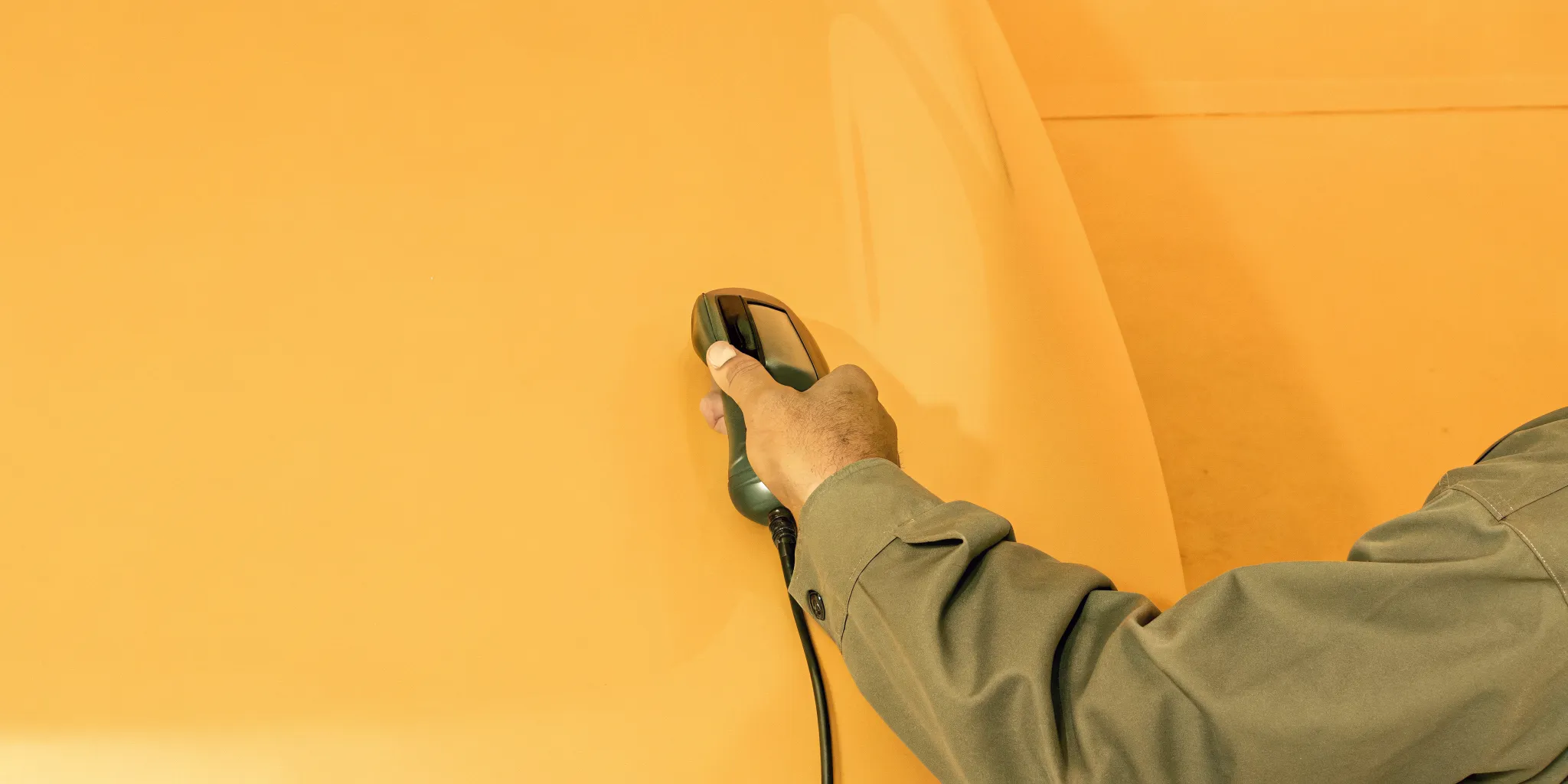
A factory paint code cannot show years of Orlando sun, fading, or past repairs. A convincing collision repair starts by matching the finish your vehicle has now.
Auto paint matching Orlando drivers can rely on starts with the factory paint code, then compares that formula with the vehicle’s current finish. Technicians inspect nearby panels and account for fading or prior repairs. They also study how metallic or pearl particles shift under different light and viewing angles. A test spray lets the painter check color, gloss, texture, and flake pattern before applying paint to the repaired area. If the test reveals a difference, the formula or spray method can be adjusted before work continues. Blending may soften the transition into adjacent panels, helping the completed repair fit the vehicle as a whole without promising an exact match.
The key question is why a code alone cannot capture the color seen beside the damaged panel. Why auto paint matching Orlando requires more than a paint code explains the checks that turn a factory formula into a repair plan. The path begins with:
Why auto paint matching Orlando requires more than a paint code
A paint code gives the repair team a useful starting formula. It does not show how the finish looks on the vehicle today. For auto paint matching Orlando drivers can trust, technicians must compare that formula with the actual car.
The paint code is a starting point
Vehicle makers may use more than one formula variant under the same paint code. Small shifts in pigment or production can change the final color. The team checks the code, reviews available variants, and tests the best fit before spraying a repaired part.
Metallic and pearl finishes add another challenge. Their flakes reflect light in different ways based on how the coating is mixed and sprayed. A color may look close from the front but appear lighter or darker from another angle.
The current finish matters
Age, daily use, and sun exposure can change the finish after a vehicle leaves the factory. Orlando’s strong daylight can also make small color shifts easier to spot. The EPA UV Index scale explains how UV strength changes with time, season, clouds, and location.
Technicians study the damaged area and nearby panels under more than one light source. They also look at gloss, texture, past repairs, and signs of fading. These checks help them choose a formula that fits the vehicle’s present condition, not just its factory record.
- Paint code and available formula variants
- Age, fading, gloss, and surface condition
- Metallic flake or pearl effect
- Color changes across nearby panels
- How the finish looks under different light
Adjacent panels guide the blend
A repaired panel sits beside parts that may have aged at a different rate. The bumper may also reflect light differently from a metal fender. Comparing these surfaces helps the painter plan where color should be placed and blended.
Blending can ease the visual shift between the repaired area and the current finish. It is one part of a broader collision repair process that includes surface prep, paint application, and finish checks. The goal is a careful match based on the whole vehicle, rather than a promise of an exact or invisible result.
Final checks should happen from several angles and in varied light. That review may reveal a shift that was not clear in the spray area. If needed, the team can adjust the color or application before the repair moves forward.
The process starts with a careful damage evaluation
Good auto paint matching in Orlando starts before anyone mixes color or picks up a spray gun. The first step is to study the damaged area, its edges, and the panels beside it. This review shows where paint work may be enough and where body repair may also be needed.
Finding the full repair area
A scrape can look small at first glance, but the visible mark may not show the full repair area. A careful check looks for dents, sharp creases, cracked paint, chips, and spots where the finish has lifted. The technician also checks how the damaged panel meets nearby panels and trim.
This step helps define which surfaces need repair and refinishing. It also limits guesswork when planning how the new finish will meet the existing color. For a closer look at how paint work fits into the broader job, review our collision repair services.
Checking for related body work
Paint cannot hide a panel that is still bent, uneven, or out of place. Before refinishing begins, the shop must decide whether the surface needs dent repair or other body work. Areas near lamps, bumpers, doors, and safety-related parts also call for a close review.
The goal is to plan the repair in the right order. Body work comes first when it is needed, followed by surface prep and paint matching. This approach keeps the paint plan tied to the actual collision damage, rather than treating the finish as a separate issue.
Building a sound refinishing plan
Once the repair area is clear, the technician can assess the vehicle’s existing finish under useful lighting. The review may account for the factory color, the finish now on the car, and changes from age or sun exposure. Each point helps guide the next steps without assuming every panel needs the same treatment.
A complete evaluation also keeps appearance work in context with vehicle safety. The National Highway Traffic Safety Administration’s vehicle safety guidance shows why safety-related areas deserve care during any repair review. With the damage mapped first, the shop can plan body repair, preparation, and refinishing as connected parts of one job.
How professional auto paint matching works step by step
Professional paint matching is more than finding a color with the same name. A technician checks the vehicle, builds a formula, tests it, and adjusts the finish before painting the repair. For drivers seeking auto paint matching in Orlando, this process helps the repaired area fit the color and gloss of nearby panels.
From evaluation to final inspection
The exact plan depends on the damage, paint condition, panel shape, and where the repair sits. Sun exposure and past repairs can affect how the existing finish looks. The technician uses those clues to decide whether the color can stay within one panel or should blend into a nearby area.
-
Evaluate the finish. The technician inspects the damaged panel and nearby paint under useful lighting. They also look for fading, prior paintwork, chips, and texture differences.
-
Prepare the surface. The repair area is cleaned, repaired, sanded, and masked as needed. Good preparation gives the new coating a smooth, stable surface.
-
Find and refine the formula. The paint code gives the technician a starting point. Computerized tools and color references help narrow the formula to a close match.
-
Create a spray-out sample. The technician sprays the chosen mix on a test card. After it dries, they compare its color, metallic pattern, and viewing angles with the vehicle.
-
Apply the coating system. Primer supports adhesion and creates an even base where required. The technician then applies basecoat for color and clearcoat for gloss and protection.
-
Blend where needed. Some colors are blended into a nearby panel or part of the same panel. This soft transition helps avoid a sharp visual edge.
-
Cure and inspect the repair. The coatings cure under controlled shop conditions. The technician then checks color, gloss, texture, coverage, and the finish from several angles.
Why the spray-out matters
A paint code may have several formula variants because factory finishes and aging do not always look alike. The spray-out gives the technician a small, low-risk way to judge the mix before it reaches the car. If the sample looks too warm, cool, light, or dark, the formula can be adjusted and tested again.
Metallic and pearl finishes need added care because flakes can change how color appears from different angles. Spray technique, air pressure, coat thickness, and drying time can affect that look. A sample helps the painter check these effects instead of relying on a formula alone.
Coating control and the final check
Primer, basecoat, and clearcoat each serve a different purpose. Applying them in the right order helps build a uniform finish. Paint work also requires safe controls because coatings can release hazardous air pollutants. The EPA outlines requirements for paint stripping and surface coating operations.
After curing, the technician compares the repair with the surrounding finish in more than one light and from several viewing angles. They check color first, then review gloss, texture, edges, and surface defects. Drivers can also review the shop’s collision repair services in Orlando when planning a repair that may include paint matching.
What does computerized color matching actually do?
Turning a paint reading into a starting formula
Computerized color matching gives a refinisher a strong starting point, not a finished answer. A tool reads the color on an undamaged part of the vehicle. Software then compares that reading with a paint database and suggests a formula for mixing the repair color.
This process helps narrow the many possible shades tied to one factory paint code. That matters because two vehicles with the same code may not look identical today. Production changes, sun exposure, age, past repairs, and normal wear can all affect the color seen on the panel.
Why the first formula may still need adjustment
A digital reading captures useful color data, but it cannot judge the whole repair on its own. Metallic flakes can sit at different angles after paint is sprayed. Pearl layers, panel curves, light sources, and viewing angles can also change how a color appears.
The refinisher uses the suggested formula to spray a small test panel, often called a spray-out card. That sample can be checked beside the vehicle in more than one type of light. If needed, the mix or spray method is adjusted before paint reaches the repaired panel.
Paint work also calls for controls that protect workers and the shop area. The EPA collision repair campaign explains practices for reducing harmful air pollutants during refinishing. Those controls support a careful process, but they do not replace color skill or visual checks.
Where refinisher judgment makes the difference
A skilled painter decides whether the test sample is close enough and how to blend the color into nearby panels. Blending eases the change between new paint and the existing finish. It can make a small shade difference less visible across the repair area.
Spray technique matters during that decision. Air pressure, gun distance, coat thickness, and drying time can affect the final look. The painter may adjust those parts of the process after comparing the test sample with the vehicle.
For drivers seeking auto paint matching in Orlando, the key question is not whether a shop owns matching software. Ask how the team verifies its formula, checks a spray-out, and reviews the finish under changing light. Computer data guides the choice; trained eyes confirm the result.
Final review should look beyond color alone. The team should also check gloss, texture, metallic placement, and the transition into nearby panels. A match that looks right indoors may shift in direct sun, so visual checks remain a key part of refinishing.
Why preparation and refinishing layers matter
A close color match is only part of a sound refinishing job. The surface below the color also affects how smooth, even, and durable the finished panel looks.
For auto paint matching Orlando drivers can trust, each layer needs a clear purpose. Skipping or rushing one stage may leave flaws that become more visible after the final coat dries.
A clean foundation for paint
Preparation starts with cleaning the repair area and checking it for dents, scratches, rust, or old coating problems. The technician then sands and feathers the edges. This work creates a smooth path between the repair and nearby paint.
Dust, oil, and uneven edges can affect how later coats sit on the panel. Careful masking also keeps overspray away from glass, trim, wheels, and nearby body panels.
The prepared area must support a smooth change from repaired metal to the existing finish. If that change is uneven, fresh color and clearcoat may make the flaw easier to see.
The role of each refinishing stage
Primer, basecoat, and clearcoat do different jobs. Primer supports a smooth surface, basecoat carries the selected color, and clearcoat adds gloss while covering the color layer.
| Stage | Main task | Why it matters |
|---|---|---|
| Surface preparation | Clean, sand, feather, and mask | Creates an even surface and keeps nearby areas clean |
| Primer | Cover and level the prepared repair | Supports a smooth base for the color coat |
| Basecoat | Apply the chosen color and blend | Builds the visible color match across the repair |
| Clearcoat | Cover the basecoat and add gloss | Protects the color layer and helps match the surrounding finish |
| Final inspection | Check color, texture, gloss, and cleanliness | Finds visible issues before the vehicle leaves the shop |
Application conditions and shop practices also matter during refinishing. The EPA collision repair campaign explains ways repair shops can reduce harmful air emissions and hazardous waste from their work.
Each coat also needs to sit evenly across the repair and blend area. Good control helps the finish avoid heavy edges, uneven gloss, and texture that stands apart from nearby panels.
Inspection under more than one view
A final inspection should look beyond the first impression. The technician checks color, gloss, surface texture, panel edges, and the blended area for a consistent appearance.
Lighting can change how a paint color appears, especially when the finish includes metallic or pearl effects. Looking from several angles helps reveal uneven texture, visible blend lines, dust marks, or missed edges.
The review should also cover the places beside the repair. Clean trim, sharp panel edges, and an even finish help show whether masking and application stayed controlled.
If an issue appears, the right fix depends on the layer involved. That is why a careful inspection belongs to the refinishing process, not just the vehicle handoff.
How is the refinished paint checked before delivery?
Lighting and viewing angles
The final check starts after the refinished panels have cured and the car is clean. A technician views the repair under bright shop lights and from several angles. This review helps reveal changes in color, gloss, or metallic flake that may hide from one fixed position.
Lighting matters because the same color can appear different as the light source or viewing angle changes. The NIST color and appearance program explains that color measurement depends on controlled light, viewing, and instrument conditions. For auto paint matching in Orlando, a sound inspection should also consider how the finish looks outside.
Finish quality checks
Color is only one part of the review. The inspector also checks gloss, texture, panel edges, and the blend into nearby panels. They look for dust marks, sanding lines, overspray, runs, or other flaws that could affect the repaired area.
- Compare the repaired panel with nearby original paint.
- View the finish straight on and from side angles.
- Check the panel surface for even gloss and texture.
- Inspect trim, gaps, edges, and nearby panels for overspray.
- Confirm the repaired area is clean before delivery.
If the finish needs more work, the shop should correct it before the vehicle leaves. That may mean polishing a small surface flaw or repeating part of the refinishing process. The right fix depends on what the final inspection finds.
A realistic match standard
A responsible shop should not promise that every finish will look exact in every setting. Age, sun exposure, prior repairs, metallic flake, and changing light can affect how paint appears. The practical goal is a close, consistent match that does not draw attention during normal viewing.
Before accepting the vehicle, review the finish in good light and ask about anything that stands out. You can also use the shop’s collision repair resources to learn more about its repair process. A clear walkaround gives both you and the shop a chance to address concerns before delivery.
What should Orlando drivers ask before refinishing?
A useful estimate starts with clear questions about the damage and the planned repair. For auto paint matching Orlando drivers should ask how the shop will inspect the panel, nearby panels, and the finish.
Bring any photos and details about past repairs to the estimate. This context can help the technician explain what is visible and what needs a closer look.
Questions about the first evaluation
Ask what the technician can see now and what may become clear after trim or damaged parts are removed. A surface mark may need a different approach than damage that reaches the base coat or panel.
Also ask whether the estimate separates paint work from dent repair, part replacement, and other collision work. That breakdown helps you understand the repair scope without relying on a single broad description.
- Which panels and parts will the technician inspect?
- Does the damage affect only the finish, or does the panel also need repair?
- Could removing a bumper, lamp, molding, or trim reveal more damage?
- How will the shop document any change in the repair scope?
Questions about color and finish
Ask how the technician will find the vehicle’s paint code and check its current color. Sun, age, past repairs, and the panel’s angle can affect how a finish looks beside another panel.
Then ask how the shop plans to compare the mixed color with the vehicle before final application. You can also ask whether nearby panels may need blending and why that choice fits the damage.
Paint products and refinishing work require careful handling. The EPA collision repair guidance gives drivers useful context for asking about ventilation, protective equipment, and responsible shop practices.
Questions before approving the work
Before approving repairs, ask for a written description of the planned steps. It should make clear which parts will be repaired, replaced, prepared, painted, or blended.
Ask who will contact you if the technician finds hidden damage or needs to change the plan. Clear approval steps help prevent confusion while keeping the estimate tied to the vehicle’s actual condition.
Drivers can also ask how to care for the new finish after pickup and what paperwork comes with the repair. For local service details, contact Collision Center Orlando and bring claim documents and details about earlier paint work.
Frequently Asked Questions
How long does auto paint matching take after collision damage?
There is no single timeline for auto paint matching after a collision. The schedule depends on the damage, required body work, paint formula, test sprays, blending needs, and curing time. Hidden damage or parts delays can also affect the overall repair. Ask the shop for a written estimate and request updates if the repair scope changes.
Does insurance cover paint matching and blending after a collision?
Coverage for paint matching and blending depends on the policy, claim details, repair plan, and insurer review. A repair shop can document why refinishing or blending nearby areas may be needed for a consistent appearance. Before approving work, ask which paint operations appear on the estimate and whether the insurer has authorized them.
Can a body shop match paint that has faded or been repaired before?
A body shop can compare a new paint formula with the vehicle’s current finish, including areas affected by fading or earlier repairs. Technicians may inspect nearby panels, create a spray-out sample, adjust the formula, and blend color where appropriate. These steps support a close visual match, but changing light and past paintwork can prevent an exact match in every setting.
How should I care for freshly refinished paint after pickup?
Follow the repair shop’s care instructions because coating systems and curing conditions vary. Ask when the vehicle can be washed or waxed, and avoid abrasive cleaners until the shop says they are safe. Inspect the finish in good light after pickup. Contact the shop promptly if you notice an unusual change in color, gloss, texture, or surface condition.
Ready to Restore a Consistent Paint Finish?
Waiting to address collision-damaged paint can leave your vehicle with a finish that looks uneven and distracts from its overall appearance. Starting now gives you time to understand the paint-matching process, review the damaged areas, and plan the right next step. A detailed paint estimate can help you move forward with clear expectations for restoring a more consistent finish.
Ready to take the next step toward a better-matched finish? Before scheduling repair work, request a paint estimate to discuss the visible damage, your questions, and suitable repair options. Contact Collision Center Orlando now so you can plan the work sooner and avoid putting off a decision about your vehicle’s finish.
At Collision Center Orlando, we serve drivers across the Greater Orlando area from our facility at 6958 Venture Circle, Orlando, FL 32807. We are OEM-certified by 14 manufacturers and repair all makes and models using manufacturer-approved procedures. Schedule a Paint Estimate or call us at (321) 972-1549 to discuss your refinishing needs. Monday through Friday, 8:00 AM to 5:30 PM.